The Drum · Weekly AI news, freeSubscribe →

Share
Musk’s vision for a colossal chip factory highlights Tesla’s ambition to control key technologies, ensuring the company can drive innovation in AI and robotics without external constraints.
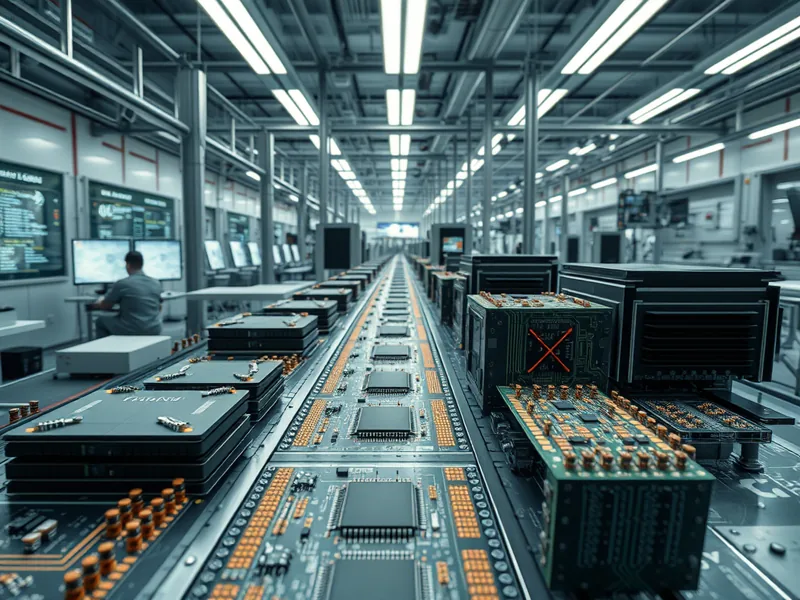
Tesla CEO Elon Musk has announced that the company may need to build a “gigantic” semiconductor fabrication plant, or "Tesla terra fab," to meet its growing chip demands. This move is driven by Tesla’s increasing focus on artificial intelligence (AI) and robotics, sectors Musk views as pivotal for the future of the global economy.
The decision to potentially construct a massive chip fab underscores Tesla's strategic shift towards vertical integration in critical components. Currently, Tesla relies heavily on contract chipmakers such as Taiwan Semiconductor Manufacturing Company (TSMC) and Samsung Electronics. Despite these partnerships, Musk has expressed concerns about ongoing shortages that could hinder Tesla’s ambitious plans.
High Capital Expenditure: Building a "gigantic" chip fab is an expensive endeavor. According to industry estimates, constructing such a facility can cost upwards of $20 billion. This significant investment will require careful financial planning and may impact Tesla's profitability in the short term.
Technical Challenges: Developing and maintaining cutting-edge semiconductor technology requires specialized expertise and continuous innovation. Tesla will need to attract and retain top talent in this highly competitive field.
Supply Chain Disruptions: While building its own fab can reduce dependency on external suppliers, it also introduces new risks. Any delays or issues in the construction and operation of the fab could disrupt production timelines and affect product launches.
Cost Efficiency: Long-term, in-house production could lead to cost savings. By eliminating the markup charged by external suppliers, Tesla can potentially reduce chip costs and improve profit margins on its products.
Innovation Leadership: Controlling the entire chip development process from design to fabrication allows Tesla to stay at the forefront of technological advancements. This can be a significant competitive advantage in the rapidly evolving AI and robotics markets.
Musk outlined that the initial capacity of the potential "Tesla terra fab" would reach 100,000 wafer starts per month, with plans to scale up as needed. This level of production is necessary to support Tesla’s ambitious goals in AI and robotics, which require a substantial volume of high-performance chips.
The global demand for semiconductors has surged due to the proliferation of AI applications and the increasing complexity of modern technologies. Tech giants like Tesla are competing for limited chip supply from leading manufacturers such as TSMC. By building its own fab, Tesla aims to secure a reliable source of chips and maintain its competitive edge.
Elon Musk’s announcement signals a significant step in Tesla's strategy to become more self-sufficient in semiconductor production. While the move comes with substantial risks, it also presents opportunities for greater control, cost efficiency, and innovation leadership. As the company navigates this ambitious project, investors and industry observers will be closely watching for updates on its progress and impact.
Tags
Original Sources
About the author
Marcus began tracking AI's market implications in 2016, noticing AI-related patent filings accelerating ahead of earnings upgrades before most of the sell-side had caught on. A former fixed-income quantitative analyst, he spent two decades building models that priced risk across emerging markets before pivoting to cover the economic impact of AI full-time. His writing translates opaque technical developments into clear risk/reward terms — and he's rarely diplomatic about the gap between AI valuations and underlying fundamentals. He believes most market participants still underestimate AI's long-run deflationary effect on knowledge work.
More from The Analyst →This Week's Edition
7 November 2025
29 articles
Related Articles
Related Articles
More Stories
© 2026 Cedar & Bloom. All rights reserved.