The Drum · Weekly AI news, freeSubscribe →

Share
Cofounders Barret Zoph and Luke Metz return to OpenAI as the company navigates leadership changes and seeks a $50 billion valuation, underscoring the fierce talent war in AI innovation.
Two cofounders of Thinking Machines Lab, Barret Zoph and Luke Metz, along with Sam Schoenholz, have announced their return to OpenAI. The move follows a series of leadership changes at the high-profile AI startup, which has been raising significant capital and reportedly seeks a $50 billion valuation.
The departure of key figures from Thinking Machines Lab (TML) highlights the intense competition for top talent in the rapidly evolving AI sector. TML, cofounded by Mira Murati, a former executive at OpenAI, has been one of the most prominent startups in the field. The company's ambitious valuation and strategic focus on advanced AI research have attracted significant attention from investors and industry observers.
The return of Zoph, Metz, and Schoenholz to OpenAI could be seen as a vote of confidence in the company's direction and leadership under CEO Sam Altman. It also underscores the ongoing rivalry between established players like OpenAI and newer entrants such as TML.
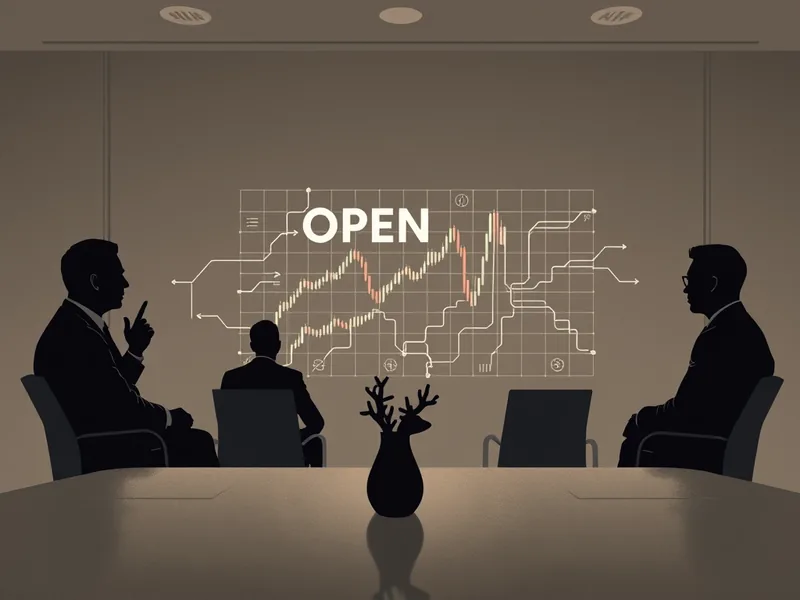
Thinking Machines Lab has been making waves since its inception, driven by the vision of Mira Murati, a former head of research at OpenAI. The startup has attracted significant investment, with reports suggesting it is seeking a $50 billion valuation in ongoing funding talks. However, the company has also faced challenges, including the departure of cofounder Andrew Tulloch to Meta in October.
OpenAI, on the other hand, continues to be a dominant force in the AI space, known for its groundbreaking work on models like GPT-3 and DALL-E. The company's recent focus on developing practical applications through its apps division, led by Fidji Simo, underscores its commitment to translating cutting-edge research into real-world solutions.
The return of key cofounders from Thinking Machines Lab to OpenAI highlights the dynamic nature of the AI industry and the importance of talent in driving innovation. While TML faces potential challenges following these departures, OpenAI stands to benefit from the expertise and experience of Zoph, Metz, and Schoenholz. The AI landscape remains highly competitive, and both companies will need to navigate strategic decisions to maintain their positions at the forefront of this transformative technology.
Tags
Original Sources
About the author
Marcus began tracking AI's market implications in 2016, noticing AI-related patent filings accelerating ahead of earnings upgrades before most of the sell-side had caught on. A former fixed-income quantitative analyst, he spent two decades building models that priced risk across emerging markets before pivoting to cover the economic impact of AI full-time. His writing translates opaque technical developments into clear risk/reward terms — and he's rarely diplomatic about the gap between AI valuations and underlying fundamentals. He believes most market participants still underestimate AI's long-run deflationary effect on knowledge work.
More from The Analyst →This Week's Edition
16 January 2026
29 articles
Related Articles
Related Articles
More Stories
© 2026 Cedar & Bloom. All rights reserved.