The Drum · Weekly AI news, freeSubscribe →

Share
As Republican cuts to health care funding take effect, the consequences ripple through communities, affecting access to essential services and public health initiatives.
The health of millions of Americans is on the line as the Trump administration’s unprecedented funding cuts reshape the nation’s health system. These reductions are not just numbers on a spreadsheet; they represent real-world impacts on people's lives, from reduced access to preventive care to fewer resources for mental health support.
In 2024, the Republican-controlled Congress passed a series of budget measures that slashed funding for critical health programs. The cuts have been felt most acutely in public health initiatives, Medicaid, and community health centers. These reductions are part of a broader effort to reduce government spending, but they come at a significant cost to vulnerable populations.
One of the most notable impacts has been on Medicaid, the federal program that provides health coverage for low-income individuals. The cuts have led to reduced funding for states, forcing many to tighten eligibility criteria and limit the scope of services offered. For example, in several states, non-emergency medical transportation (NEMT) programs have been scaled back, making it harder for patients to get to their doctor's appointments.
In rural areas, where access to health care is already limited, these cuts have had a profound effect. Community health centers, which often serve as the primary source of medical care for residents, are struggling to stay afloat. Many have had to reduce staff or cut hours, leaving patients with fewer options and longer wait times.
Dr. Sarah Thompson, a family physician at a community health center in rural Iowa, described the situation as dire. "We're seeing more people showing up at our clinic with advanced stages of illness because they couldn't afford preventive care," she said. "It's heartbreaking to see patients suffering when early intervention could have made a difference."
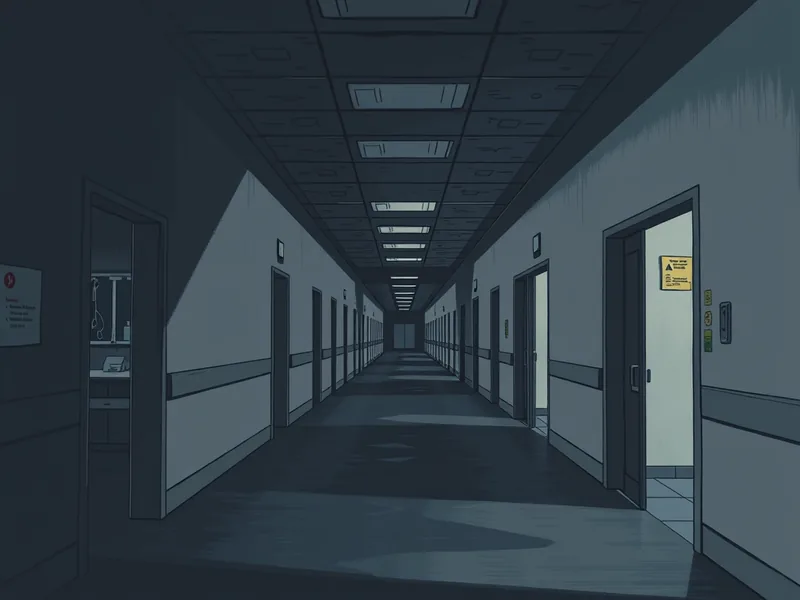
The cuts have also affected mental health services. With fewer resources available, many states have had to reduce funding for mental health programs, leading to longer wait times and reduced access to therapy and medication. This has been particularly challenging for children and adolescents, who are already facing an increasing prevalence of mental health issues.
The long-term consequences of these cuts could be severe. Reduced access to preventive care can lead to higher rates of chronic diseases, which are more expensive to treat in the long run. For example, untreated diabetes can result in complications like kidney failure and blindness, requiring costly medical interventions.
The cuts to public health initiatives have compromised efforts to address emerging health threats. In 2025, a new strain of influenza swept through several states, and the lack of funding for surveillance and response systems made it harder for health officials to contain the outbreak. Dr. Michael Johnson, an epidemiologist at the Centers for Disease Control and Prevention (CDC), warned that these cuts could leave the country more vulnerable to future public health crises.
The human cost of these policy decisions is evident in the stories of individuals and families struggling to access basic health care. For many, the cuts have meant choosing between paying for medication or putting food on the table. As the health system continues to be reshaped by these funding reductions, the question remains: who will bear the brunt of these changes?
The impact of Trump’s funding cuts extends beyond individual patients; it affects the entire fabric of our society. By undermining the safety net that supports vulnerable populations, we risk exacerbating existing health disparities and creating a more fragmented and less resilient health care system. As policymakers consider future budget decisions, it is crucial to weigh the immediate savings against the long-term costs to public health and well-being.
Tags
Original Sources
How Trump's funding cuts are reshaping the health system
↗ https://www.statnews.com/2026/08/25/how-trumps-funding-cuts-are-reshaping-the-health-system
About the author
Amara's entry point into AI was an epidemiology role at a London research hospital, where she spent five years studying how digital health tools reached — or conspicuously failed to reach — underserved communities. Watching early algorithmic systems in healthcare quietly entrench existing inequalities, she redirected her career toward the systemic consequences of AI at scale. She covers AI through an unflinching lens: who benefits, who bears the cost, and what evidence actually says versus what the press release claims. Her writing is calm and precise, but she doesn't mistake balance for neutrality.
More from The Steward →This Week's Edition
31 August 2026
17 articles
Related Articles
Related Articles
More Stories
© 2026 Cedar & Bloom. All rights reserved.