The Drum · Weekly AI news, freeSubscribe →

Share
As remote patient monitoring becomes more prevalent, cybersecurity experts warn that vulnerable wearable devices could compromise clinical decision-making and patient trust.
The rise of remote patient monitoring (RPM) has brought significant benefits to healthcare, allowing patients to manage their conditions from the comfort of their homes while staying connected with medical professionals. However, this technological advancement also introduces new vulnerabilities. Cyber attackers can exploit weak points in wearable devices to manipulate biometric data, potentially undermining the integrity of RPM programs.
Ricardo Amper, founder and CEO of Incode Technologies, a biometric authentication company, highlights the risks: "Without a mechanism to verify who is actually wearing a device, healthcare providers cannot ensure the authenticity of the data being collected." This lack of verification can lead to serious consequences, including incorrect clinical decisions based on tampered data.
One under-appreciated risk with RPM wearables is that cyber bad actors could exploit an underprotected entry point to alter a device's output. For instance, if an attacker gains access to a wearable device, they could modify the biometric data being sent to healthcare providers. This manipulation can lead to misdiagnoses or inappropriate treatments, which can be harmful to patients.
To address these vulnerabilities, healthcare organizations are turning to identity-verification tools that can help close the gap between data collection and potential exploitation. Biometric authentication methods, such as facial recognition or fingerprint scanning, can ensure that the device is being used by the intended patient. This added layer of security helps maintain the integrity of the data and the trust patients have in RPM programs.
Amper emphasizes the importance of these tools: "Biometric verification can significantly reduce the risk of data manipulation and help healthcare providers make more accurate clinical decisions." By verifying the identity of the user, healthcare teams can be confident that the data they are using is authentic and reliable.
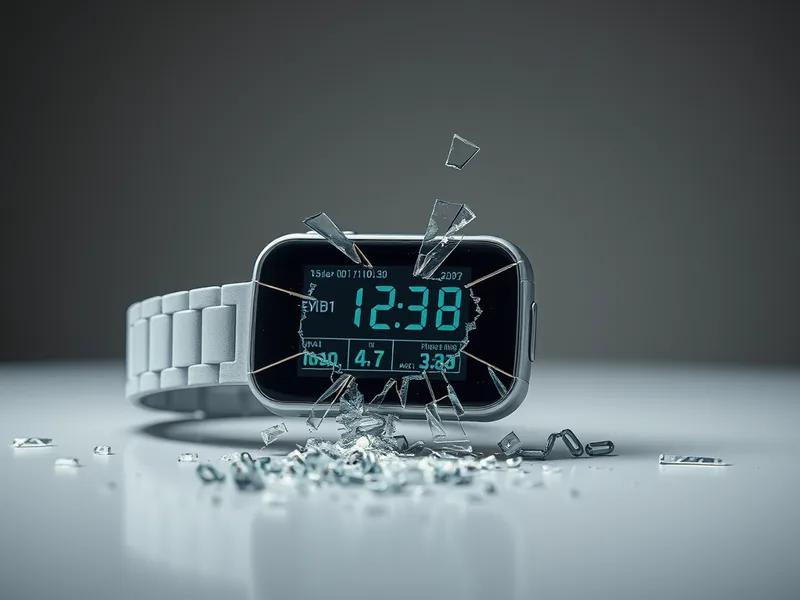
However, implementing these security measures comes with its own set of challenges. For example, integrating biometric authentication into existing RPM systems requires careful planning and coordination between IT departments and clinical staff. There may be concerns about patient privacy and the potential for increased data collection. Balancing these considerations is crucial to ensuring that security enhancements do not compromise patient trust.
The integrity of remote patient monitoring programs is essential for maintaining high-quality healthcare delivery. If patients lose confidence in the accuracy and security of their wearable devices, they may be less likely to use them, which could undermine the benefits of RPM. Cybersecurity must be a top priority for healthcare organizations as they continue to adopt and expand these technologies.
The broader implications of data manipulation extend beyond individual patient care. Inaccurate data can affect population health management, research studies, and public health initiatives. Ensuring that wearable devices are secure is not only about protecting individual patients but also about safeguarding the entire healthcare ecosystem.
As RPM continues to evolve, it is crucial for healthcare providers, technology developers, and policymakers to work together to address these cybersecurity challenges. By doing so, they can ensure that remote patient monitoring remains a valuable tool for improving health outcomes and enhancing patient care.
Tags
Original Sources
Wearables data pose a vulnerability that could undermine RPM programs
↗ https://www.healthcareitnews.com/news/wearables-data-pose-vulnerability-could-undermine-rpm-programs
About the author
Amara's entry point into AI was an epidemiology role at a London research hospital, where she spent five years studying how digital health tools reached — or conspicuously failed to reach — underserved communities. Watching early algorithmic systems in healthcare quietly entrench existing inequalities, she redirected her career toward the systemic consequences of AI at scale. She covers AI through an unflinching lens: who benefits, who bears the cost, and what evidence actually says versus what the press release claims. Her writing is calm and precise, but she doesn't mistake balance for neutrality.
More from The Steward →This Week's Edition
3 June 2026
29 articles
Related Articles

Seattle Children's Network Turns Data Trust Into Preventive Care Gains, With Lessons for Security Teams
Security & Risk · 6 min

Anthropic Gives Outside Safety Researchers the Same Access as Its Own Staff
Security & Risk · 5 min

Fitch Puts a Number on AI Risk: New Stress Test Flags Credit Exposure Across Four Sectors
Security & Risk · 5 min
Related Articles
Seattle Children's Network Turns Data Trust Into Preventive Care Gains, With Lessons for Security Teams
Security & Risk · 6 min
Anthropic Gives Outside Safety Researchers the Same Access as Its Own Staff
Security & Risk · 5 min
Fitch Puts a Number on AI Risk: New Stress Test Flags Credit Exposure Across Four Sectors
Security & Risk · 5 min
More Stories
© 2026 Cedar & Bloom. All rights reserved.
