The Drum · Weekly AI news, freeSubscribe →

Share
As wearable devices like Oura and Whoop offer virtual doctor connections, the promise of real-time health monitoring inches closer to becoming a reality in clinical care.
Wearable technology has long been touted for its potential to detect hidden health issues before they become critical. Devices like smartwatches and rings can track everything from heart rate to sleep quality, providing users with a wealth of personal health data. However, one significant hurdle has remained: how to effectively connect this data with medical professionals who can interpret it and provide actionable advice.
To bridge this gap, leading wearable companies Oura and Whoop have recently announced new features that allow users to connect virtually with doctors directly from their apps. This development marks a crucial step toward integrating consumer health data into traditional clinical care, but experts caution that the journey is far from over.
While the idea of having immediate access to a doctor who can help make sense of your wearable data is appealing, the transition from wellness tracking to clinical use is complex. The Food and Drug Administration (FDA) has only authorized a handful of wearable features for medical purposes, and the evidence base supporting the use of such data in clinical decision-making is still in its early stages.
The new virtual connection feature from Oura and Whoop aims to address this gap by providing users with direct access to healthcare professionals. For instance, if a user's ring detects an unusual pattern in their heart rate or sleep quality, they can now schedule a virtual consultation with a doctor through the app. This could be particularly valuable for identifying early signs of conditions like atrial fibrillation or sleep disorders.
However, the integration of wearable data into clinical practice is not without challenges. Dr. Ida Sim, a physician and expert in digital health, explains that "the bar for data in clinical decision-making is significantly higher than for simple wellness purposes." Clinical data must be reliable, accurate, and validated through rigorous scientific studies to ensure it does not lead to misdiagnosis or unnecessary treatments.
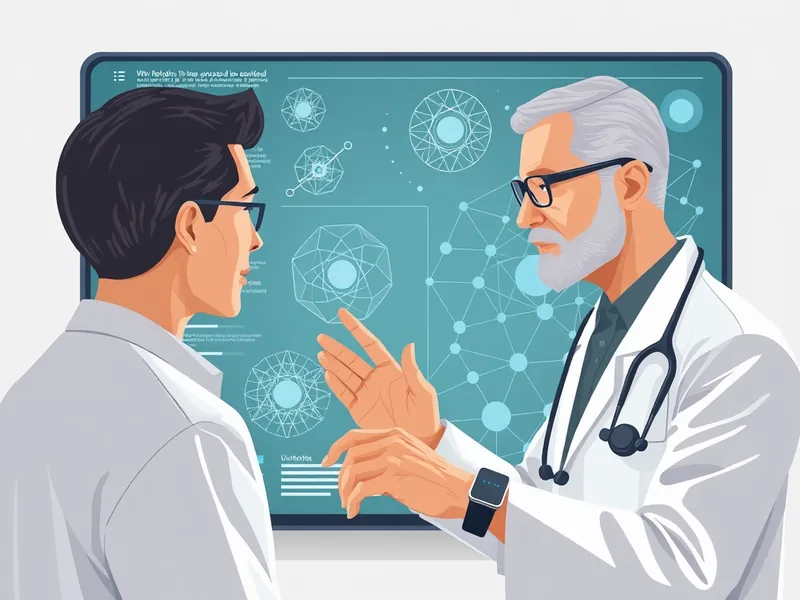
The infrastructure needed to support this integration is still developing. Electronic health records (EHRs) are often not designed to handle large volumes of continuous biometric data from wearables. Hospitals and clinics will need to invest in technology upgrades and training for healthcare providers to effectively incorporate these new sources of information.
The future of wearable health data in clinical care is promising but requires careful navigation. As more evidence emerges supporting the use of wearable data, we can expect to see increased adoption by healthcare providers. However, this will depend on continued collaboration between tech companies, regulatory bodies, and medical professionals.
For now, users should view these new features as a valuable tool for better understanding their health and engaging with healthcare providers, rather than a replacement for traditional medical care. The integration of wearable data into clinical practice is an ongoing process that holds the potential to revolutionize how we monitor and manage our health, but it will take time and effort to fully realize this vision.
As Dr. Sim puts it, "This was an inevitable development, but we must proceed with caution and ensure that the technology we integrate into clinical care truly benefits patient outcomes." The road ahead is clear: continued research, regulatory oversight, and technological innovation are essential steps in making wearable health data a reliable part of modern healthcare.
Tags
Original Sources
Wearables, and the flood of data they generate, inch closer to entering the clinic
↗ https://www.statnews.com/2026/06/09/wearables-data-oura-whoop-clinical-integration
About the author
Amara's entry point into AI was an epidemiology role at a London research hospital, where she spent five years studying how digital health tools reached — or conspicuously failed to reach — underserved communities. Watching early algorithmic systems in healthcare quietly entrench existing inequalities, she redirected her career toward the systemic consequences of AI at scale. She covers AI through an unflinching lens: who benefits, who bears the cost, and what evidence actually says versus what the press release claims. Her writing is calm and precise, but she doesn't mistake balance for neutrality.
More from The Steward →This Week's Edition
15 June 2026
18 articles
Related Articles

Christina Applegate's MS Misdiagnosis Reveals a Painful Diagnostic Gap in Neurology
Health & Science · 5 min

IEEE Expands Smart City Advisory Services as Municipal Tech Budgets Grow
Products & Applications · 5 min

Robot Infants Are Being Built to Study Human Emotion. Should They Look So Real?
Products & Applications · 5 min
Related Articles
Christina Applegate's MS Misdiagnosis Reveals a Painful Diagnostic Gap in Neurology
Health & Science · 5 min
IEEE Expands Smart City Advisory Services as Municipal Tech Budgets Grow
Products & Applications · 5 min
Robot Infants Are Being Built to Study Human Emotion. Should They Look So Real?
Products & Applications · 5 min
More Stories
© 2026 Cedar & Bloom. All rights reserved.
