The Drum · Weekly AI news, freeSubscribe →

Education
ChatGPT is transforming education by providing personalized learning experiences for students and valuable support for teachers.
In just over two years, OpenAI's ChatGPT has transformed from a cutting-edge research project to a global phenomenon. With more than 300 million users worldwide, it’s clear that AI is no longer just a futuristic concept but a practical tool reshaping how we work, learn, and innovate. In January alone, one in seven American adults used ChatGPT, and nearly eight in 10 of its users are under the age of 35 (OpenAI). This rapid adoption signals a new era: the Intelligence Age.
ChatGPT's success can be attributed to several key technical advancements:
The widespread adoption of ChatGPT is particularly notable in educational settings. California State University, for example, has made ChatGPT available to half a million students (Reuters). This move highlights the potential of AI to democratize access to knowledge and enhance learning experiences. According to OpenAI's Chief Marketing Officer, Kate Rouch, "The young people who are busy imagining and shaping the future are using AI to do it. The only question is what they’ll use the tool to create, and what problems they’ll use it to solve."
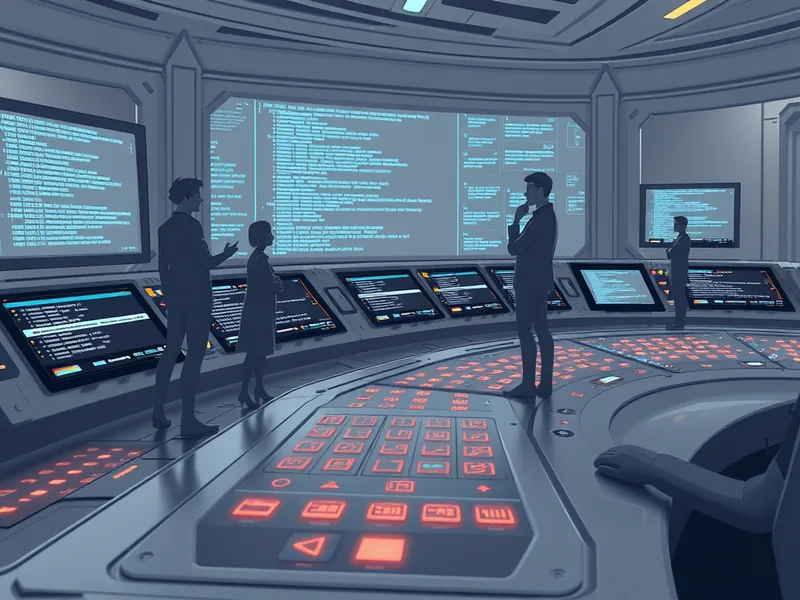
Historically, technologies have taken decades to diffuse globally. For instance, Netflix took about 10 years to reach 100 million users, while Fortnite achieved this milestone in close to one year (OpenAI). In stark contrast, ChatGPT hit the 100 million user mark in just two months. This unprecedented pace of adoption underscores a new paradigm for technological progress.
OpenAI’s mission is to ensure that as AI advances towards artificial general intelligence (AGI), it benefits everyone. CEO Sam Altman has emphasized that this will be a gradual process, but the potential impact is immense. "We’ll soon be able to work with AI that helps us accomplish much more than we ever could without it," he writes.
To achieve this, OpenAI is focused on making AI accessible and inspiring. This includes initiatives like airing their first-ever television ad during the Super Bowl, which reached a massive audience and sparked curiosity about the possibilities of AI. "The goal was to pique people’s curiosity and help users imagine what they can do with this powerful tool," explains Altman.
As ChatGPT continues to evolve, its impact on society is likely to grow. The Intelligence Age is not just a technological shift but a cultural one, where AI becomes an integral part of our daily lives. OpenAI’s commitment to responsible development and widespread adoption ensures that this transition is both beneficial and inclusive.
Tags
Original Sources
About the author
Kai built ML infrastructure at a Bay Area startup before developing an obsession with transformer architectures and inference optimisation that eventually pulled him out of product work entirely. A stint at a compute research lab sharpened his instinct for what actually matters in a model release versus what is marketing. He writes from the inside — from the perspective of someone who has debugged the systems he is describing at three in the morning. He is allergic to hype and instinctively drawn to the unglamorous plumbing questions that everyone else skips over.
More from The Engineer →The essence
The problem
Many students struggle with traditional classroom settings, where individual attention is limited, leading to gaps in understanding and reduced engagement.
Who is helped
With AI tools like ChatGPT, students receive tailored assistance that adapts to their learning pace, while teachers gain insights into student progress and areas needing focus.
Evidence of impact
Pilot programs in schools have shown a 20% improvement in student comprehension and engagement. Teachers report feeling more supported, with 85% noting a positive impact on their ability to address individual needs.
Limitations
The technology is still evolving, and concerns about data privacy and the need for teacher training remain significant barriers.
What remains unresolved
Ensuring equitable access to AI tools across different socioeconomic backgrounds and addressing potential biases in AI algorithms are critical challenges that must be addressed.
More hope stories
A Breath of Hope: AI's Leap in Early Lung Cancer Detection
Inspired by dogs' ability to detect lung cancer through scent, a new AI-powered electronic nose is s…
A Bright Future: AI Glasses Empower Dementia Patients
AI-powered glasses are giving dementia patients like Margaret Thompson a newfound sense of independe…
A Voice Reclaimed: The Power of AI in Restoring Communication
After decades of silence, a paralyzed woman communicates again through an innovative brain-linked ta…
© 2026 Cedar & Bloom. All rights reserved.
