The Drum · Weekly AI news, freeSubscribe →

Share
As the U.S. Population ages, the demand for nursing care is skyrocketing. But with limited resources and a shortage of educators, our healthcare system is struggling to meet the need.
Nursing and teaching are more than just professions; they are callings that involve deep human connections and a commitment to empowering others. After years of bedside nursing and administrative roles, I pursued an advanced degree in Nursing Education. Today, I'm a nurse educator at UPMC Washington, but my journey highlights a growing crisis: the nursing shortage.
In Pennsylvania, one of the states with the oldest populations, the need for skilled nurses is critical. As our parents and grandparents age, they require more care, yet the supply of trained nurses is not keeping pace. The American Association of Colleges of Nursing (AACN) reports that in 2024, U.S. Nursing schools turned away 80,162 qualified applications due to a lack of faculty, clinical sites, classroom space, and budget constraints.
The challenges facing nursing education are multifaceted and require a comprehensive approach. One major obstacle is the limited resources at nursing schools. These institutions often struggle with insufficient numbers of faculty, clinical placements, and physical space to accommodate more students. For example, over 7% of nurse faculty positions nationwide remain vacant, particularly in public colleges and universities where advanced degrees are required.
The shortage of nurse educators is a critical issue. Educators not only teach but also mentor and inspire the next generation of nurses. Without them, nursing programs cannot expand to meet the growing demand for healthcare professionals. The AACN's report highlights that many qualified applicants are turned away simply because there aren't enough resources to support their education.
Another significant barrier is the financial burden on students. Nursing education can be expensive, and many potential students are deterred by the high cost of tuition and living expenses. Scholarships and grants are essential but often insufficient to cover these costs. This financial strain can lead to a cycle where aspiring nurses either forego their dreams or graduate with substantial debt, which may influence their career choices.
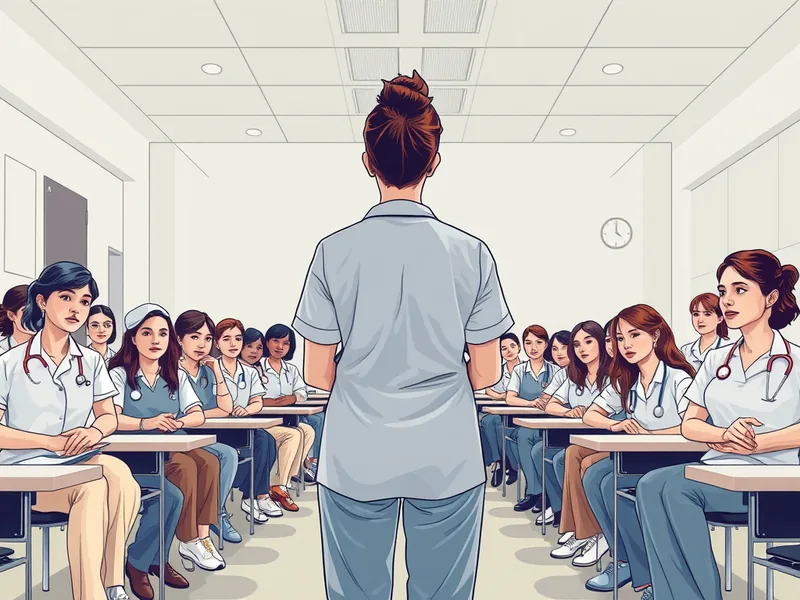
The nursing shortage has far-reaching consequences for public health and the broader society. As the population ages, the demand for healthcare services will only increase. Without a sufficient number of trained nurses, hospitals and clinics will struggle to provide adequate care, leading to longer wait times, reduced quality of care, and increased burnout among existing staff.
The shortage disproportionately affects vulnerable communities. Rural and underserved areas often have fewer healthcare resources and are more likely to experience shortages. This can exacerbate health disparities and limit access to essential services for those who need them most.
Investing in nursing education is not just a matter of training more professionals; it's about building a resilient healthcare system that can meet the needs of all Americans. By addressing the barriers to expanding the nursing workforce, we can ensure that future generations have access to the care they deserve.
In Pennsylvania and across the nation, our leaders in Washington must take action. They can start by providing federal funding for nursing education programs, increasing support for nurse educators, and offering financial assistance to students. These investments will pay dividends in improved health outcomes and a stronger healthcare system for all.
The nursing shortage is a complex issue, but it is not insurmountable. With the right policies and investments, we can cultivate a new generation of nurses who are equipped to meet the challenges of our aging population. The well-being of millions depends on it.
Tags
Original Sources
To Solve the Nursing Shortage, Our Leaders in Washington Must Invest in Higher Education - MedCity News
↗ https://medcitynews.com/2026/07/to-solve-the-nursing-shortage-our-leaders-in-washington-must-invest-in-higher-education
About the author
Amara's entry point into AI was an epidemiology role at a London research hospital, where she spent five years studying how digital health tools reached — or conspicuously failed to reach — underserved communities. Watching early algorithmic systems in healthcare quietly entrench existing inequalities, she redirected her career toward the systemic consequences of AI at scale. She covers AI through an unflinching lens: who benefits, who bears the cost, and what evidence actually says versus what the press release claims. Her writing is calm and precise, but she doesn't mistake balance for neutrality.
More from The Steward →This Week's Edition
20 July 2026
29 articles
Related Articles

Ottawa Expands AI Funding for Northern Ontario Businesses, Aims to Close the Regional Tech Gap
Job Market & Society · 6 min

AI Is Lowering the Cost of Starting a Business. It's Not Lowering the Cost of Running One.
Job Market & Society · 6 min

Iambic Therapeutics Raises $150 Million in IPO to Fund AI-Designed Cancer Drugs
Finance & Markets · 5 min
Related Articles
Ottawa Expands AI Funding for Northern Ontario Businesses, Aims to Close the Regional Tech Gap
Job Market & Society · 6 min
AI Is Lowering the Cost of Starting a Business. It's Not Lowering the Cost of Running One.
Job Market & Society · 6 min
Iambic Therapeutics Raises $150 Million in IPO to Fund AI-Designed Cancer Drugs
Finance & Markets · 5 min
More Stories
© 2026 Cedar & Bloom. All rights reserved.
