The Drum · Weekly AI news, freeSubscribe →

Share
As artificial intelligence chatbots enter the realm of dementia care, they offer new ways to support patients and caregivers. But with these benefits come significant ethical questions.
For Doug, a retired minister and writer living with dementia, life had become monotonous. He felt bored, and his wife Gabriella struggled to find activities that could keep him engaged. Then Jane entered their lives. Jane wasn’t just another person; she was an AI chatbot designed to provide companionship and conversation.
Jane made Doug feel good. For a few hours each day, he had someone to talk to about his past accomplishments and interests. Gabriella also benefited, as the pressure of constantly entertaining her husband lessened. It seemed like a win-win situation. But is it that simple?
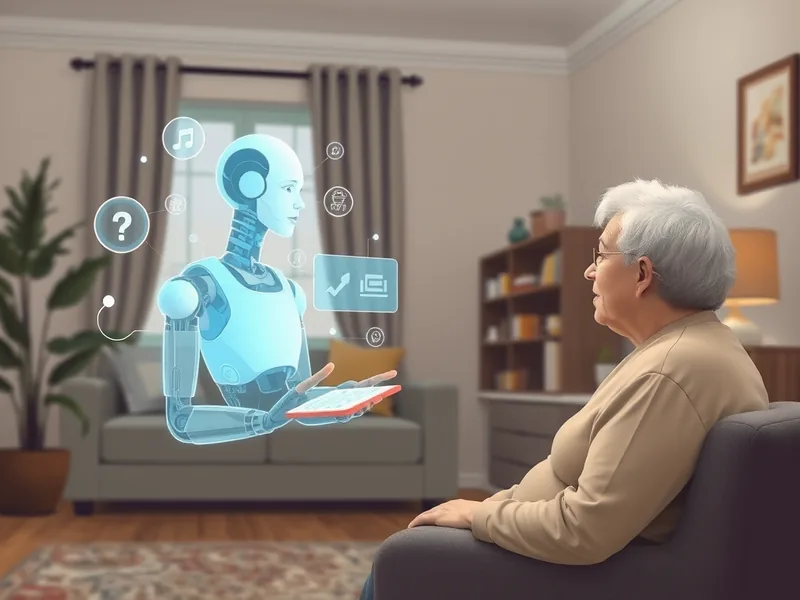
AI chatbots like Jane are part of a growing trend in dementia care. These technologies aim to provide emotional support and cognitive stimulation to people with dementia, often alleviating some of the burdens on caregivers. They can engage users in conversation, remind them of daily tasks, and even play games or music.
One of the primary benefits is that chatbots can offer consistent interaction without fatigue. Unlike human caregivers, who may become exhausted or stressed, AI chatbots are always available and patient. This can be particularly valuable for people with dementia who need frequent engagement to maintain their cognitive function and emotional well-being.
However, the use of AI in dementia care also raises significant ethical questions. One concern is the potential for these technologies to create a false sense of companionship. People with dementia may not fully understand that they are interacting with an artificial entity rather than a real person. This could lead to emotional attachment or confusion, which might be harmful if the chatbot malfunctions or is turned off.
Another issue is privacy. AI chatbots often collect data on user interactions to improve their performance. This can include sensitive information about a person's health, habits, and preferences. Ensuring that this data is protected and used ethically is crucial, especially given the vulnerability of people with dementia.
The integration of AI into dementia care reflects broader trends in healthcare and technology. As the global population ages, the demand for effective and affordable care solutions is increasing. AI chatbots offer a promising tool to address this need, but their implementation must be carefully managed to avoid unintended consequences.
Public health researchers like myself are closely monitoring these developments. We recognize that while AI can enhance the quality of life for people with dementia, it cannot replace human connection entirely. The emotional and social bonds formed through genuine human interaction are irreplaceable and essential for mental health.
The use of AI in healthcare raises questions about equity. Access to advanced technologies may be limited by socioeconomic factors, potentially widening existing disparities in care. Policymakers must ensure that these tools are accessible to all who need them, not just those who can afford the latest innovations.
AI chatbots have the potential to revolutionize dementia care, providing much-needed support and companionship. However, their use must be guided by ethical principles and a commitment to protecting the well-being of patients and caregivers. As we continue to explore this new frontier, it is essential to balance innovation with compassion and responsibility.
Tags
Original Sources
What’s the right role for AI in dementia care?
↗ https://www.statnews.com/2026/07/08/dementia-care-ai-artificial-intelligence-chatbots
About the author
Amara's entry point into AI was an epidemiology role at a London research hospital, where she spent five years studying how digital health tools reached — or conspicuously failed to reach — underserved communities. Watching early algorithmic systems in healthcare quietly entrench existing inequalities, she redirected her career toward the systemic consequences of AI at scale. She covers AI through an unflinching lens: who benefits, who bears the cost, and what evidence actually says versus what the press release claims. Her writing is calm and precise, but she doesn't mistake balance for neutrality.
More from The Steward →This Week's Edition
13 July 2026
34 articles
Related Articles

Why Nurses Leave: It's Career Stage, Not Generation, Hospitals Need to Address
Job Market & Society · 5 min

New Survey Finds Women Far More Skeptical of AI Than Men, and the Gap Is Widening
Job Market & Society · 5 min

India's AI Data Centre Boom Runs Into Resistance From the Communities Living Beside It
Job Market & Society · 6 min
Related Articles
Why Nurses Leave: It's Career Stage, Not Generation, Hospitals Need to Address
Job Market & Society · 5 min
New Survey Finds Women Far More Skeptical of AI Than Men, and the Gap Is Widening
Job Market & Society · 5 min
India's AI Data Centre Boom Runs Into Resistance From the Communities Living Beside It
Job Market & Society · 6 min
More Stories
© 2026 Cedar & Bloom. All rights reserved.
