The Drum · Weekly AI news, freeSubscribe →

Share
As Anthropic's CEO Dario Amodei discusses the future of AI in biotechnology, he tempers expectations with reality, highlighting the gradual but transformative impact on medical research.
In the world of biotechnology, where breakthroughs can take years and even decades to materialize, the promise of artificial intelligence (AI) is like a beacon of hope. At an event hosted by Anthropic, a leading AI company, CEO Dario Amodei shared his thoughts on how AI might reshape this field. While he once envisioned rapid, exponential progress, Amodei now acknowledges that the journey will be more gradual.
In 2024, Amodei wrote an influential essay titled "Machines of Loving Grace," where he argued that large language models like Anthropic's Claude could accelerate biotechnological research to unprecedented speeds. He suggested that what we currently consider a decade’s worth of progress could be compressed into just one year. However, during the recent event in San Francisco, Amodei admitted that this ambitious vision might not fully materialize for at least another decade.
"I don’t think that today we can make progress at a rate of 10 years per year for a number of reasons," Amodei said. The primary hurdles include the current limitations of AI models, the time required for researchers to adapt to these tools, and the need for regulatory systems to evolve alongside technological advancements.
Despite these challenges, the integration of AI into biotechnology is already showing promising results. Anthropic's Claude, a sophisticated large language model, has been designed to assist scientists and pharmaceutical companies in various aspects of research. This tool can help with tasks such as data analysis, hypothesis generation, and even experimental design.
Lotte Bjerre Knudsen, a scientist who participated in the event, highlighted how AI is beginning to streamline processes that were once time-consuming and labor-intensive. "AI has the potential to significantly reduce the time it takes to identify new drug targets or understand complex biological systems," she said. This efficiency can lead to faster development of treatments for diseases, potentially saving lives and improving quality of life.
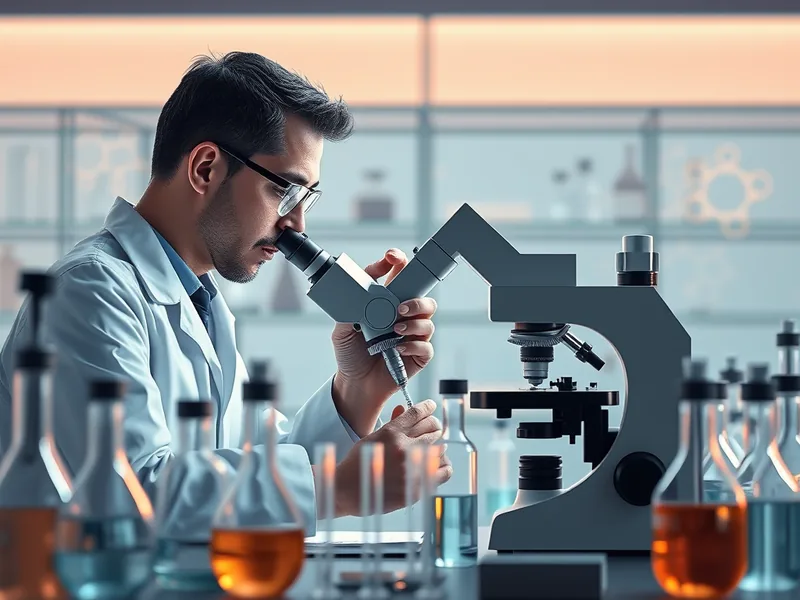
However, the transition is not without its challenges. Researchers need training to effectively use these AI tools, and there is a learning curve involved. The ethical implications of using AI in medical research must be carefully considered. Issues such as data privacy, bias in algorithms, and the potential for unintended consequences are all part of the ongoing debate.
As Amodei and other leaders in the field continue to push the boundaries of what is possible with AI, it is clear that the next decade will be crucial. The gradual integration of AI into biotechnology will likely bring about a series of incremental improvements rather than a single, dramatic breakthrough.
This approach allows for more controlled and measured progress, which can help build trust among researchers, regulatory bodies, and the public. It also provides time for the development of robust ethical frameworks to guide the use of AI in medical research.
The potential benefits are enormous, from faster drug discovery to personalized medicine tailored to individual patients. However, it is essential to proceed with caution and ensure that the technology is used responsibly. By doing so, we can harness the power of AI to make significant strides in improving public health and advancing scientific knowledge.
Tags
Original Sources
I spoke to Anthropic’s CEO about how AI may affect biotech. Here’s what I learned
↗ https://www.statnews.com/2026/07/06/anthropic-ai-biotech-impact
About the author
Amara's entry point into AI was an epidemiology role at a London research hospital, where she spent five years studying how digital health tools reached — or conspicuously failed to reach — underserved communities. Watching early algorithmic systems in healthcare quietly entrench existing inequalities, she redirected her career toward the systemic consequences of AI at scale. She covers AI through an unflinching lens: who benefits, who bears the cost, and what evidence actually says versus what the press release claims. Her writing is calm and precise, but she doesn't mistake balance for neutrality.
More from The Steward →This Week's Edition
13 July 2026
34 articles
Related Articles

Arboretum LifeSciences Raises $30M to Turn Genetic Tests Into Drug Deals
Health & Science · 6 min
AI Tool Trained on Tumor Images Could Help Doctors Decide Who Needs Abiraterone for Prostate Cancer
Health & Science · 6 min

AI Can Spot Cognitive Decline Earlier. Health Systems Still Have to Catch the Patient on the Other Side
Health & Science · 6 min
Related Articles
Arboretum LifeSciences Raises $30M to Turn Genetic Tests Into Drug Deals
Health & Science · 6 min
AI Tool Trained on Tumor Images Could Help Doctors Decide Who Needs Abiraterone for Prostate Cancer
Health & Science · 6 min
AI Can Spot Cognitive Decline Earlier. Health Systems Still Have to Catch the Patient on the Other Side
Health & Science · 6 min
More Stories
© 2026 Cedar & Bloom. All rights reserved.
