The Drum · Weekly AI news, freeSubscribe →

Share
As biotech leaders gather to discuss artificial intelligence, the promise and perils of this technology come into sharp focus for healthcare professionals and patients alike.
I’m writing from a hotel room in San Diego, just hours before this newsletter is set to send. The buzz from the BIO International Convention is still buzzing through my veins, filled with discussions about how artificial intelligence (AI) is reshaping the biotech industry. This year's event has been a whirlwind of insights and debates, with key figures from regulatory bodies, tech giants, and startups all sharing their perspectives.
The convention has been a melting pot of ideas, where the future of healthcare is being molded in real-time. From AI-driven drug discovery to personalized treatment plans, the potential applications are vast. But as with any transformative technology, there are significant risks and ethical considerations that must be addressed.
One of the most compelling discussions I attended was a panel featuring Samuel Aronson, president and chief AI officer of AIwithCare; Dianne Paraoan, acting director of the Office of Medical Policy at the FDA’s Center for Drug Evaluation and Research; and Tran Le, general manager for life sciences at Hippocratic AI. The conversation centered on how AI can accelerate drug development while ensuring patient safety.
Aronson emphasized that AI has the potential to streamline the discovery process by analyzing vast datasets and identifying promising compounds faster than traditional methods. "AI can help us identify patterns in data that humans might miss, leading to more efficient and effective drug candidates," he explained. This could mean getting life-saving treatments to patients years earlier than previously possible.
However, Paraoan cautioned that regulatory oversight is crucial. "While AI offers incredible opportunities, it also introduces new challenges," she said. "We need robust frameworks to ensure these technologies are safe and reliable." The FDA is actively working on guidelines for AI in drug development, focusing on transparency and reproducibility.
Tran Le added a practical perspective, highlighting the importance of collaboration between tech companies and healthcare providers. "AI tools must be user-friendly and integrated into existing workflows," she noted. "Otherwise, they risk becoming shelfware that doesn't actually improve patient outcomes."
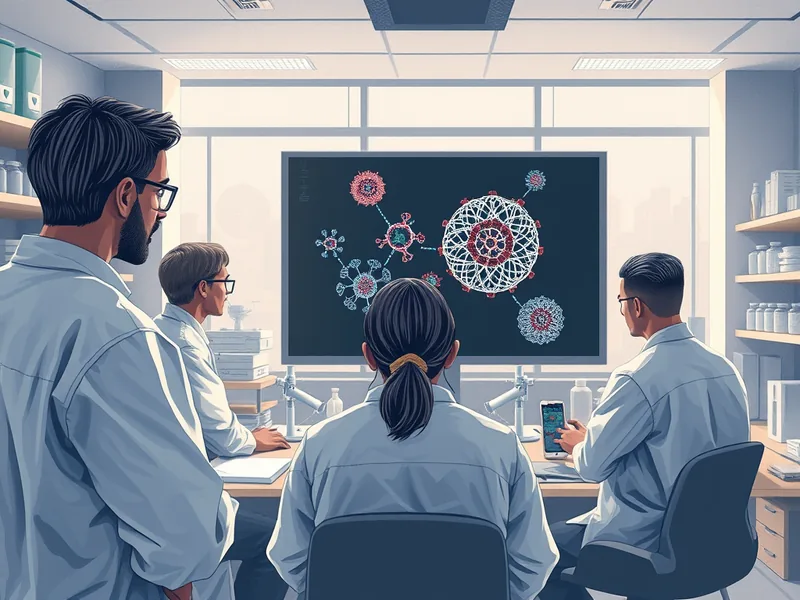
As AI continues to evolve in the biotech sector, several key points will shape its trajectory:
Regulatory Frameworks: The development of clear and comprehensive guidelines by regulatory bodies like the FDA will be essential for ensuring the safe and ethical use of AI in healthcare.
Data Privacy and Security: Protecting patient data is paramount. Biotech companies must implement robust security measures to prevent breaches and maintain trust.
Equity and Access: There is a risk that advanced AI technologies could exacerbate existing health disparities. Efforts must be made to ensure these tools are accessible to all, not just those who can afford them.
Public Perception and Trust: Building public confidence in AI-driven healthcare solutions will require transparency about how these systems work and their potential benefits and risks.
Interdisciplinary Collaboration: Successful implementation of AI in biotech will depend on collaboration between data scientists, clinicians, and policymakers. Each group brings unique expertise that is crucial for developing effective and ethical solutions.
The BIO International Convention has been a clarion call for the biotech industry to embrace AI while remaining vigilant about its implications. As we move forward, it's clear that the future of healthcare will be shaped by our ability to harness these powerful technologies responsibly and inclusively.
Tags
Original Sources
A dispatch on AI from BIOtech’s big summer bash
↗ https://www.statnews.com/2026/06/24/dispatch-from-bio-biotech-big-summer-bash-ai-prognosis
About the author
Amara's entry point into AI was an epidemiology role at a London research hospital, where she spent five years studying how digital health tools reached — or conspicuously failed to reach — underserved communities. Watching early algorithmic systems in healthcare quietly entrench existing inequalities, she redirected her career toward the systemic consequences of AI at scale. She covers AI through an unflinching lens: who benefits, who bears the cost, and what evidence actually says versus what the press release claims. Her writing is calm and precise, but she doesn't mistake balance for neutrality.
More from The Steward →This Week's Edition
29 June 2026
29 articles
Related Articles

Epic's Mortality Model and the Widening Ambitions of Health Tech's Product Roadmaps
Health & Science · 5 min

HHS Moves to Cut Animal Testing From Drug Development, Backing Human-Based Science
Health & Science · 5 min

Amgen's Dazodalibep Clears Key Sjögren's Hurdle, Setting Up Race With Novartis
Health & Science · 5 min
Related Articles
Epic's Mortality Model and the Widening Ambitions of Health Tech's Product Roadmaps
Health & Science · 5 min
HHS Moves to Cut Animal Testing From Drug Development, Backing Human-Based Science
Health & Science · 5 min
Amgen's Dazodalibep Clears Key Sjögren's Hurdle, Setting Up Race With Novartis
Health & Science · 5 min
More Stories
© 2026 Cedar & Bloom. All rights reserved.
