The Drum · Weekly AI news, freeSubscribe →

Share
As healthcare organizations increasingly turn to AI to address challenges like nurse burnout, a critical shift is needed: focusing on the human element first.
If you’ve been following the healthcare tech space, you’ve likely seen the buzz around AI solutions designed to alleviate nurse burnout. But according to Tracy Breece and Bradley Goettl, Chief Nursing Officer at ANE, these technologies often fall short when they prioritize system efficiency over the well-being of nurses themselves. This isn’t just a technical issue; it’s a fundamental design flaw that can exacerbate the very problems AI aims to solve.
The core problem lies in how AI systems are conceptualized and deployed. Many healthcare organizations see AI as a silver bullet for operational inefficiencies, but this approach often overlooks the human factors that contribute to burnout. For instance, if an AI tool is designed to optimize scheduling without considering the emotional and physical toll on nurses, it can lead to increased stress rather than relief.
Dr. Brad Goettl, in a recent discussion at the 2026 AANC conference, emphasized this point. "AI can be a powerful partner in purposeful planning and designing impactful teaching experiences," he said. "But it must start with understanding the needs and challenges of the nurses on the ground."
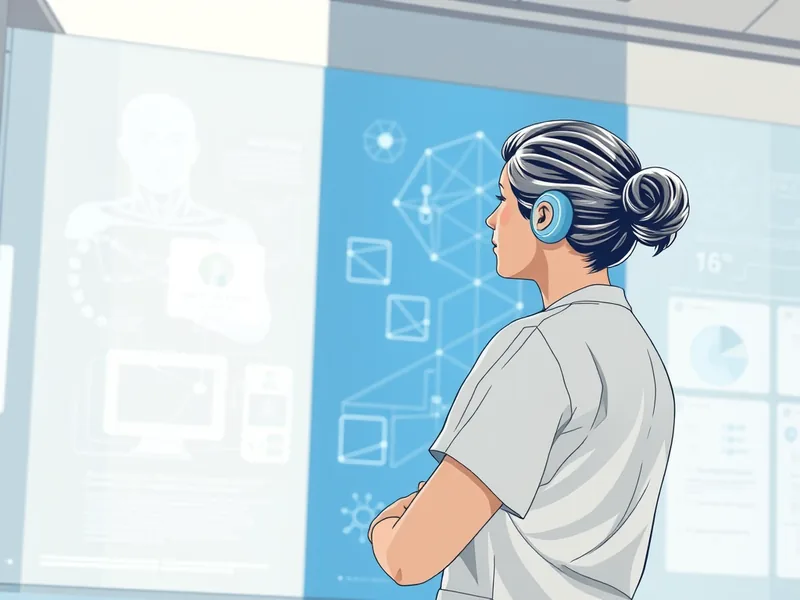
In practice, this means involving nurses in the design process from the outset. For example, a team at ANE worked closely with nursing staff to develop an AI-driven scheduling tool that not only optimizes shifts but also considers factors like personal preferences and workload balance. This collaborative approach has led to higher satisfaction rates and reduced burnout levels.
To illustrate this, let’s look at a specific case study from ANE. The team developed an AI system called "NurseCare," which uses machine learning to predict and manage nurse workloads more effectively. Here are some key features:
The results have been promising. Since its implementation, ANE has seen a 20% reduction in reported burnout cases and a 15% increase in nurse retention rates. These outcomes highlight the importance of designing AI tools that not only streamline processes but also enhance the well-being of healthcare workers.
While AI holds great promise for addressing nurse burnout, its success depends on a human-centric approach. By involving nurses in the design and implementation process, organizations can create solutions that truly make a difference.
Tags
Original Sources
Bradley Goettl
↗ https://www.fiercehealthcare.com/person/bradley-goettl
About the author
Kai built ML infrastructure at a Bay Area startup before developing an obsession with transformer architectures and inference optimisation that eventually pulled him out of product work entirely. A stint at a compute research lab sharpened his instinct for what actually matters in a model release versus what is marketing. He writes from the inside — from the perspective of someone who has debugged the systems he is describing at three in the morning. He is allergic to hype and instinctively drawn to the unglamorous plumbing questions that everyone else skips over.
More from The Engineer →This Week's Edition
17 August 2026
113 articles
Related Articles

Building a Robust Enterprise Environment for Agentic AI
Tools & Engineering · 3 min

Grove AI's Voice Agents Transform Clinical Trial Recruitment with MLOps-Driven Efficiency
Tools & Engineering · 3 min

Texas Instruments TMS9900: The Chip That Defined a Generation of Microprocessors
Tools & Engineering · 3 min
Related Articles
Building a Robust Enterprise Environment for Agentic AI
Tools & Engineering · 3 min
Grove AI's Voice Agents Transform Clinical Trial Recruitment with MLOps-Driven Efficiency
Tools & Engineering · 3 min
Texas Instruments TMS9900: The Chip That Defined a Generation of Microprocessors
Tools & Engineering · 3 min
More Stories
© 2026 Cedar & Bloom. All rights reserved.
