The Drum · Weekly AI news, freeSubscribe →

Share
A new AI sensor aims to prevent children from being accidentally left in hot cars by detecting occupancy even after drivers leave. Set for installation as early as 2020, this technology could save lives and offer parents peace of mind.
Every year, tragic incidents of children being left in hot cars make headlines, often with devastating outcomes. In an effort to prevent these heart-wrenching accidents, a new technology is on the horizon that could save lives. An AI sensor designed to detect when a child has been left in a vehicle is set to be installed in cars as early as 2020.
The sensor, which uses advanced artificial intelligence (AI), can identify the presence of a child or pet in a car after the driver and other passengers have exited. If the system detects that someone has been left behind, it triggers an alert to the vehicle owner and emergency services. This innovative solution aims to prevent heatstroke, one of the leading causes of non-crash-related fatalities among children in vehicles.
The AI sensor works by analyzing data from various sources within the car, such as seat sensors, temperature gauges, and even sound. When a child is left behind, the system can detect subtle movements or sounds that indicate their presence. Once an alert is triggered, the vehicle's horn may sound, and the windows may automatically roll down to provide ventilation. Additionally, the sensor can send notifications to the car owner’s smartphone and, if necessary, contact emergency services.
The stakes are high when it comes to preventing heatstroke in children left in cars. According to the National Highway Traffic Safety Administration (NHTSA), an average of 38 children die each year from vehicular heatstroke in the United States alone. These deaths are often the result of a simple, tragic mistake-parents or caregivers forgetting that their child is in the car. The AI sensor aims to provide a failsafe that can intervene before it’s too late.
The benefits of this technology are clear: it has the potential to save lives and prevent unnecessary suffering. However, like any new technology, there are risks and challenges to consider. One concern is the accuracy of the sensor-false positives could lead to unnecessary alerts and potential misuse of emergency resources. Conversely, false negatives could result in missed opportunities to save a life.
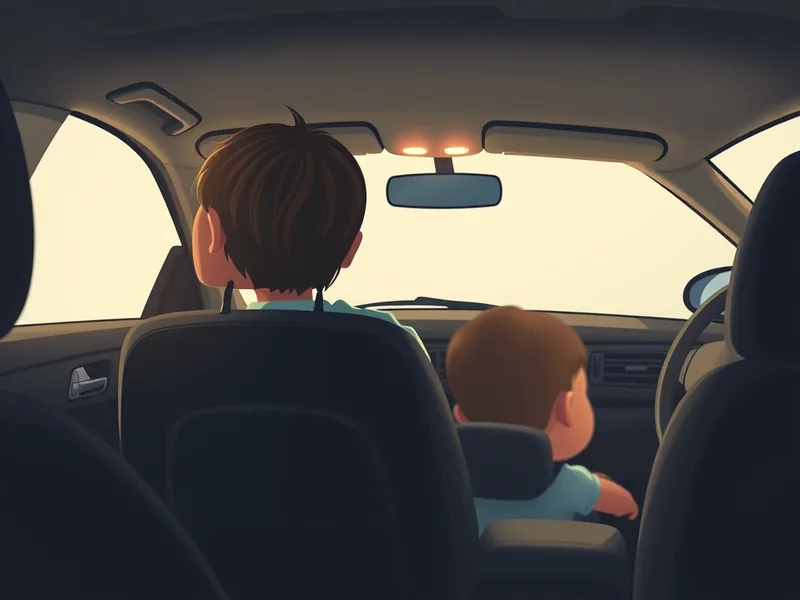
Another consideration is privacy. The AI system will collect data on vehicle occupants, which raises questions about how this information will be used and protected. Manufacturers will need to ensure that the technology is secure and that user data is handled responsibly.
If widely adopted, this technology could have a significant impact on reducing child heatstroke deaths. It may also encourage further innovation in vehicle safety features. However, it’s important to note that while technology can help, it should not replace vigilance and responsible behavior from drivers and caregivers.
As the automotive industry continues to advance, integrating AI into safety systems is becoming increasingly common. The development of this sensor is a promising step forward in protecting vulnerable passengers. However, ongoing testing and refinement will be crucial to ensure that the technology works as intended and addresses any potential issues.
The introduction of an AI sensor to prevent children from being left in hot cars is a significant advancement in vehicle safety. While it offers hope for reducing tragic incidents, it also underscores the need for continued awareness and responsible practices. By combining cutting-edge technology with human vigilance, we can work towards a future where no child's life is lost due to such heartbreaking accidents.
Tags
Original Sources
About the author
Amara's entry point into AI was an epidemiology role at a London research hospital, where she spent five years studying how digital health tools reached — or conspicuously failed to reach — underserved communities. Watching early algorithmic systems in healthcare quietly entrench existing inequalities, she redirected her career toward the systemic consequences of AI at scale. She covers AI through an unflinching lens: who benefits, who bears the cost, and what evidence actually says versus what the press release claims. Her writing is calm and precise, but she doesn't mistake balance for neutrality.
More from The Steward →This Week's Edition
29 April 2026
29 articles
Related Articles

Rosarium Health Partners With Anthem Medi-Cal to Fund Home Modifications for Older Californians
Products & Applications · 5 min

Meta's new open-weight model runs on Macs, if you have 1TB of RAM to spare
Products & Applications · 5 min

Persona AI Bets on Calm Execution in a Noisy Humanoid Robotics Market
Products & Applications · 5 min
Related Articles
Rosarium Health Partners With Anthem Medi-Cal to Fund Home Modifications for Older Californians
Products & Applications · 5 min
Meta's new open-weight model runs on Macs, if you have 1TB of RAM to spare
Products & Applications · 5 min
Persona AI Bets on Calm Execution in a Noisy Humanoid Robotics Market
Products & Applications · 5 min
More Stories
© 2026 Cedar & Bloom. All rights reserved.
