The Drum · Weekly AI news, freeSubscribe →

Share
As AI companies race to develop smarter home robots, some are offering free services in exchange for valuable real-world data. But what does this mean for user privacy and the future of domestic labor?
Imagine a world where your home is tidied up by an autonomous robot, freeing you from the mundane tasks of cleaning and organizing. It sounds like a dream come true for many, but it comes with a catch: these robots need to be trained, and that training requires real-world data. Enter startups like Shift, which are offering free cleaning services in exchange for detailed footage of their cleaners at work.
In May 2026, Shift, an AI training startup based in the UK, announced it would provide free home cleaning services to New Yorkers. The company plans to expand this initiative to other cities, including London. For many busy professionals and families, the prospect of a clean home with no effort is incredibly appealing. However, there’s more to this offer than meets the eye.
Shift's deal is straightforward: in exchange for the free cleaning, they want comprehensive video footage of their cleaners performing various tasks around the house. This includes everything from scrubbing dishes and wiping counters to dusting tables and mopping floors. The goal is to gather a vast amount of real-world data that can be used to train robots to perform these same tasks autonomously.
The demand for this type of data is not unique to Shift. Many AI companies are actively seeking ways to collect high-quality, real-world training data to improve the capabilities of their home automation systems. While free cleaning services may seem like a generous offer, it raises significant questions about privacy and data ownership.
When you allow a company to record detailed footage of your home, you're giving them access to intimate details of your living space. This can include sensitive information such as personal belongings, family photos, and even the layout of your home. The potential for misuse is real, and it’s important for consumers to be aware of what they are agreeing to when they sign up for these services.
The data collected can be used in ways that go beyond training robots. It could be sold to third parties or used for marketing purposes. While Shift and other companies may have strict data protection policies in place, the risk of data breaches and unauthorized access remains a concern.
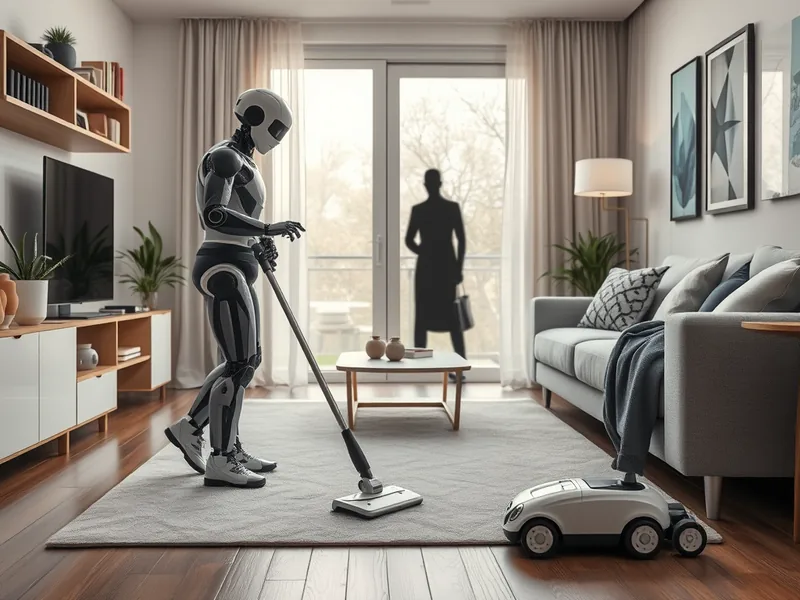
As AI continues to advance, the integration of smart home technology is likely to become more prevalent. The benefits are clear: robots that can handle domestic chores would free up time for more meaningful activities, potentially improving work-life balance and reducing stress. However, the path to achieving this vision is fraught with challenges.
One of the key issues is ensuring that the data collected is used ethically and transparently. Consumers need to be fully informed about how their data will be used and have control over its usage. This includes the ability to opt-out of data collection at any time and to request the deletion of their data if they choose to do so.
Another consideration is the impact on human labor. As robots become more capable, there is a risk that traditional cleaning jobs could be displaced. While this may lead to new opportunities in technology and robotics, it also raises questions about job security and the future of the workforce.
Ultimately, the success of these initiatives will depend on building trust with consumers. Companies like Shift must demonstrate a commitment to transparency and ethical data practices. By doing so, they can help pave the way for a future where smart home technology enhances our lives without compromising our privacy or dignity.
The promise of AI-powered home robots is exciting, but it’s crucial that we approach this technology with caution and a clear understanding of its implications. As consumers, we have a role to play in shaping the future of smart homes by making informed decisions about the data we share and the companies we support.
Tags
Original Sources
Tech companies desperately want to film you doing chores
↗ https://www.theverge.com/ai-artificial-intelligence/940007/ai-companies-will-pay-for-robot-training-data
About the author
Amara's entry point into AI was an epidemiology role at a London research hospital, where she spent five years studying how digital health tools reached — or conspicuously failed to reach — underserved communities. Watching early algorithmic systems in healthcare quietly entrench existing inequalities, she redirected her career toward the systemic consequences of AI at scale. She covers AI through an unflinching lens: who benefits, who bears the cost, and what evidence actually says versus what the press release claims. Her writing is calm and precise, but she doesn't mistake balance for neutrality.
More from The Steward →This Week's Edition
3 June 2026
29 articles
Related Articles

Rosarium Health Partners With Anthem Medi-Cal to Fund Home Modifications for Older Californians
Products & Applications · 5 min

Meta's new open-weight model runs on Macs, if you have 1TB of RAM to spare
Products & Applications · 5 min

Persona AI Bets on Calm Execution in a Noisy Humanoid Robotics Market
Products & Applications · 5 min
Related Articles
Rosarium Health Partners With Anthem Medi-Cal to Fund Home Modifications for Older Californians
Products & Applications · 5 min
Meta's new open-weight model runs on Macs, if you have 1TB of RAM to spare
Products & Applications · 5 min
Persona AI Bets on Calm Execution in a Noisy Humanoid Robotics Market
Products & Applications · 5 min
More Stories
© 2026 Cedar & Bloom. All rights reserved.
