The Drum · Weekly AI news, freeSubscribe →

Share
An AI system has successfully pinpointed a novel drug candidate now in clinical trials, signaling a paradigm shift in pharmaceutical development with the promise of slashing timelines and costs for critical medications.
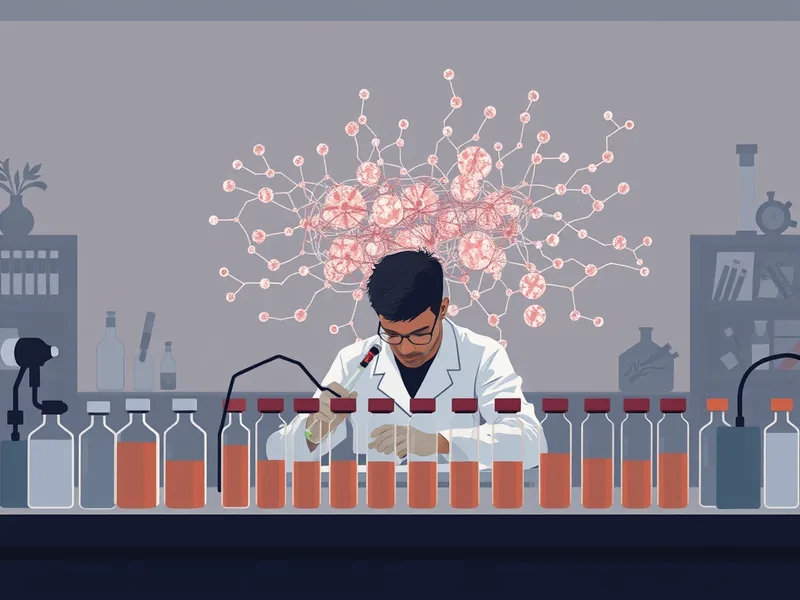
In a significant step forward for medical research, an artificial intelligence (AI) system has identified a new drug candidate that is now entering clinical trials. This breakthrough highlights the growing role of AI in accelerating the discovery and development of new treatments, potentially reducing the time and cost associated with bringing life-saving drugs to market.
The traditional process of drug discovery can take years, often involving extensive laboratory research and numerous rounds of testing. However, this new AI-driven approach has the potential to streamline these processes by rapidly analyzing vast amounts of data and identifying promising compounds that might otherwise go unnoticed.
For patients suffering from various diseases, the speed at which new treatments are developed can be a matter of life or death. Faster drug discovery means quicker access to potentially life-saving therapies, which can significantly improve health outcomes and quality of life. This is particularly crucial for conditions where current treatments are limited or ineffective.
The AI system used in this breakthrough employs machine learning algorithms to analyze complex biological data. These algorithms can identify patterns and relationships that human researchers might miss, leading to the discovery of novel drug candidates. The process works by:
The AI system identified a compound that has shown promise in preclinical studies for treating a specific disease (the exact condition is not specified in the source). This compound will now enter clinical trials to evaluate its safety and efficacy in humans. If successful, it could lead to a new treatment option for patients.
The benefits of AI in drug discovery are clear:
However, there are also risks and challenges:
The successful identification of this new drug candidate by an AI system is a promising sign for the future of medical research. As AI technology continues to advance, it has the potential to revolutionize how we discover and develop new treatments. This could lead to more personalized medicine, where drugs are tailored to individual patients based on their genetic makeup and other factors.
Tags
Original Sources
About the author
Amara's entry point into AI was an epidemiology role at a London research hospital, where she spent five years studying how digital health tools reached — or conspicuously failed to reach — underserved communities. Watching early algorithmic systems in healthcare quietly entrench existing inequalities, she redirected her career toward the systemic consequences of AI at scale. She covers AI through an unflinching lens: who benefits, who bears the cost, and what evidence actually says versus what the press release claims. Her writing is calm and precise, but she doesn't mistake balance for neutrality.
More from The Steward →This Week's Edition
29 April 2026
29 articles
Related Articles
Related Articles
More Stories
© 2026 Cedar & Bloom. All rights reserved.