The Drum · Weekly AI news, freeSubscribe →

Share
Despite its limitations, modern AI is transforming healthcare by enhancing diagnostics and personalizing treatment plans. Here’s how it works and what practitioners need to know.
AI has come a long way, but it’s still just machine learning at its core, according to Mikhail Golovnya, senior advisory data scientist at Minitab. While AI can mimic intelligence and is more accessible than ever before, it isn’t as powerful as some might believe. This nuance is crucial for practitioners who are integrating AI into their workflows.
AI's accessibility has expanded its reach beyond specialized labs and into the hands of non-scientists. Tools like open-source frameworks (TensorFlow, PyTorch) and cloud services (AWS SageMaker, Google Cloud AI) have democratized machine learning. However, this ease of access doesn’t change the fundamental nature of AI.
Golovnya emphasizes that while these tools are powerful, they are not a replacement for human expertise. AI excels in specific tasks but lacks the broader cognitive abilities of humans.
Despite its limitations, AI is making significant contributions to healthcare. Institutions like Mayo Clinic are leveraging AI to enhance patient care through data analysis, diagnosis assistance, and personalized treatment plans.
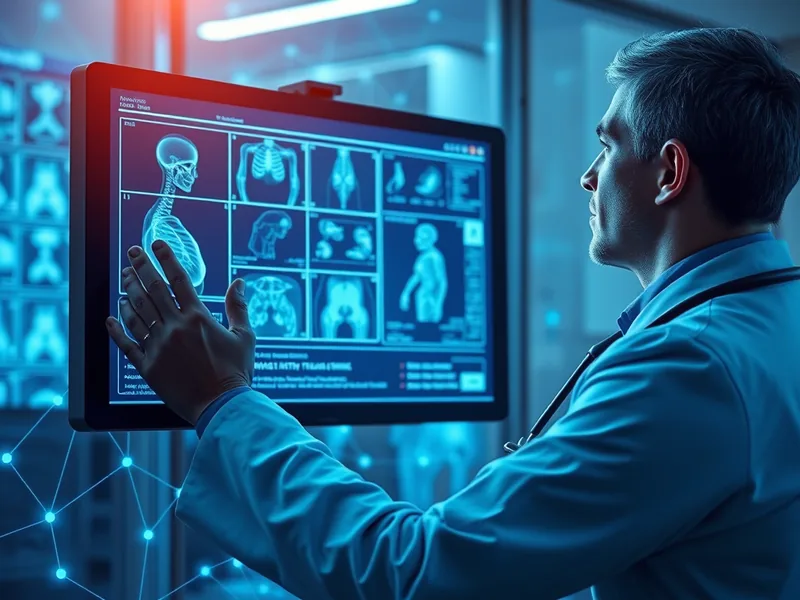
However, there are challenges. Ensuring that AI tools are focused on the right things is critical. Mayo Clinic emphasizes the importance of aligning AI applications with clinical goals to improve patient outcomes.
In practice, AI is a powerful tool when used correctly. It can augment human capabilities but should not be seen as a replacement for them. As practitioners continue to integrate AI into their workflows, understanding its strengths and limitations will be key to achieving the best outcomes for patients.
Tags
Original Sources
While it may mimic intelligence, AI is just that – artificial | Healthcare IT News
↗ https://www.healthcareitnews.com/video/while-it-may-mimic-intelligence-ai-just-artificial
About the author
Kai built ML infrastructure at a Bay Area startup before developing an obsession with transformer architectures and inference optimisation that eventually pulled him out of product work entirely. A stint at a compute research lab sharpened his instinct for what actually matters in a model release versus what is marketing. He writes from the inside — from the perspective of someone who has debugged the systems he is describing at three in the morning. He is allergic to hype and instinctively drawn to the unglamorous plumbing questions that everyone else skips over.
More from The Engineer →This Week's Edition
29 June 2026
29 articles
Related Articles

Cutting Data Replication Time by 76% Without New Hardware
Tools & Engineering · 5 min

Anthropic's Claude Opus 5.5 Ships as Five Models in One, Tuning Intelligence Against Cost
Models & Research · 5 min

Heidi Overton's FDA Confirmation Hearing Arrives at a Pivotal Moment for Drug Innovation
Policy & Regulation · 5 min
Related Articles
Cutting Data Replication Time by 76% Without New Hardware
Tools & Engineering · 5 min
Anthropic's Claude Opus 5.5 Ships as Five Models in One, Tuning Intelligence Against Cost
Models & Research · 5 min
Heidi Overton's FDA Confirmation Hearing Arrives at a Pivotal Moment for Drug Innovation
Policy & Regulation · 5 min
More Stories
© 2026 Cedar & Bloom. All rights reserved.
