The Drum · Weekly AI news, freeSubscribe →

Share
Anthropic says it will grant AI safety nonprofit METR near-employee access to its systems, a notable step toward outside scrutiny, but redaction rights mean the public may still see only part of the picture.
When we talk about whether a new AI model is safe, the honest answer usually depends on who gets to look inside the box. For years, that privilege has belonged almost entirely to the companies building these systems. Outsiders have had to take their word for it. Anthropic's latest move chips away at that arrangement, even if it doesn't tear it down.
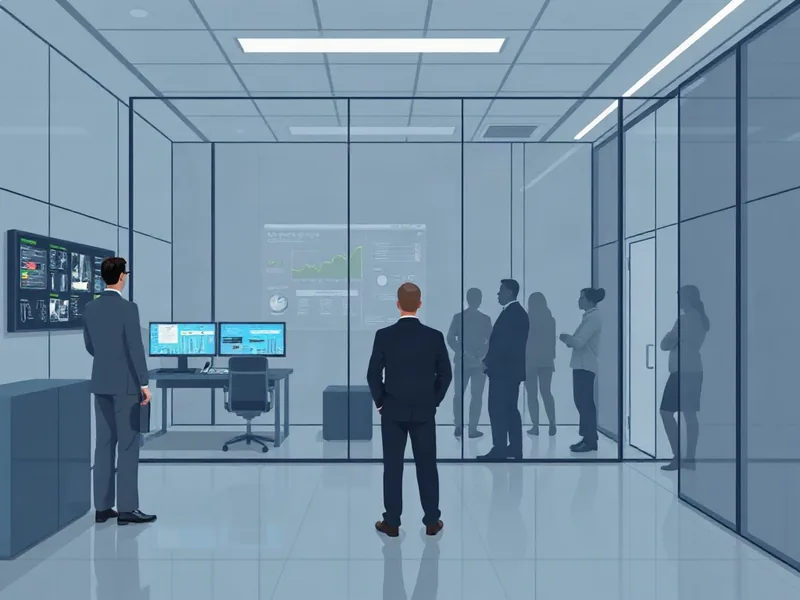
The company announced it will give six employees at METR, an independent AI safety evaluation organization, access to its hardware and internal tools "roughly on par" with what Anthropic's own risk assessment team uses. Think of it like a hospital finally letting an outside inspector walk the same hallways as its own quality control staff, rather than handing them a binder of selected photos. That is a meaningful upgrade from the access levels most third-party evaluators have historically received when reviewing frontier AI systems.
METR, which stands for Model Evaluation and Threat Research, has built a reputation testing AI models for dangerous capabilities before they ship. These evaluators act something like food safety inspectors for software that increasingly makes decisions affecting real lives, from medical triage tools to financial systems. Under this new arrangement, METR will publish reports covering Anthropic's risk levels, safety incidents, and internal practices. That's the part worth applauding. Independent reporting on how a powerful AI company handles risk is rare, and rarer still when it comes with real access rather than a curated briefing.
Here is where the story gets complicated. Anthropic retains the right to instruct METR to redact certain information before it reaches the public. The company points to protecting the inner workings of its models and customer data as reasons for withholding specifics. Both of those concerns are legitimate on their face. Trade secrets matter, and so does customer privacy.
But redaction rights handed to the very company being evaluated create an obvious tension. An evaluator's credibility rests on its independence, and independence gets harder to claim once the subject of your report can edit it before publication. It's a bit like a restaurant allowing a health inspector to tour the kitchen, then asking the inspector to leave out any mention of what, exactly, was found near the walk-in freezer.
This isn't a hypothetical worry dreamed up by critics. A pointed comment on the original Verge story made the comparison explicit, imagining a fictional company called "SludgeCo" that grants food inspectors access to its production lines while instructing them to omit ingredient lists, contamination findings, and customer complaints about health effects. The satire lands because the underlying structure genuinely echoes how food and workplace safety oversight is supposed to work, and how it can be undermined when the inspected party controls what gets disclosed.
The stakes here are not abstract. AI systems built by companies like Anthropic are being integrated into hospitals, schools, financial institutions, and government agencies. When oversight of those systems is incomplete, the people affected are not just developers or investors. They are patients relying on AI-assisted diagnostics, students using AI tutoring tools, and families whose financial decisions increasingly run through AI-informed systems. If something goes wrong inside a model's "inner workings," language that could cover a wide range of technical details, the public might never get a full accounting.
To be fair, the details of exactly how narrow or broad Anthropic's redaction authority will be in practice remain unclear from the announcement itself. Companies often invoke proprietary protection language that, depending on how it's applied, could mean anything from withholding a few lines of code to omitting entire categories of safety findings. Without more clarity on where that line sits, it's hard to know whether this arrangement represents genuine progress toward accountability or a more sophisticated version of the status quo.
What makes this moment notable is the contrast it sets up. Give outside evaluators employee-level access, a real improvement over arm's-length reviews, and you create the expectation of genuine transparency. Then attach redaction power to the company under review, and you reintroduce the very asymmetry that independent oversight is supposed to correct. Both things can be true at once. Anthropic has moved further than many of its peers, and the move still falls short of what full public accountability would require.
Other industries offer a useful comparison point. Food safety inspections, workplace safety audits, and financial audits all rely on some combination of independent access and disclosure rules, often backed by law rather than voluntary corporate policy. Those systems aren't perfect either, but they typically don't let the inspected party decide what the inspector gets to say. AI safety evaluation, by contrast, remains largely voluntary and self-structured, with companies like Anthropic setting the terms of their own scrutiny.
The core question isn't whether Anthropic deserves credit for expanding METR's access, it clearly does relative to industry norms. The question is whether voluntary, company-controlled transparency can ever substitute for independent, enforceable oversight. As AI systems take on greater responsibility in daily life, the public has a direct stake in knowing not just that evaluations happen, but that the results reach us intact. Until redaction authority sits with evaluators rather than the companies they evaluate, trust in these reports will depend less on what gets published and more on what we're told we don't need to see.
Tags
Original Sources
Anthropic is giving AI safety evaluators “employee-like” access to its systems.
↗ https://www.theverge.com/ai-artificial-intelligence/1012308/anthropic-metr-employee-like-access
About the author
Amara's entry point into AI was an epidemiology role at a London research hospital, where she spent five years studying how digital health tools reached — or conspicuously failed to reach — underserved communities. Watching early algorithmic systems in healthcare quietly entrench existing inequalities, she redirected her career toward the systemic consequences of AI at scale. She covers AI through an unflinching lens: who benefits, who bears the cost, and what evidence actually says versus what the press release claims. Her writing is calm and precise, but she doesn't mistake balance for neutrality.
More from The Steward →This Week's Edition
16 October 2026
29 articles
Related Articles

States Race to Write the Rules for AI Sandboxes in Health Care, and Lobbyists Are Racing Right Alongside Them
Policy & Regulation · 5 min

DOJ Moves to Reward Health Care Companies That Report Their Own Fraud
Policy & Regulation · 5 min

As US Intelligence Sharing Wavers, Ukrainians Lose Precious Minutes Against Russian Missiles
Policy & Regulation · 6 min
Related Articles
States Race to Write the Rules for AI Sandboxes in Health Care, and Lobbyists Are Racing Right Alongside Them
Policy & Regulation · 5 min
DOJ Moves to Reward Health Care Companies That Report Their Own Fraud
Policy & Regulation · 5 min
As US Intelligence Sharing Wavers, Ukrainians Lose Precious Minutes Against Russian Missiles
Policy & Regulation · 6 min
More Stories
© 2026 Cedar & Bloom. All rights reserved.
