The Drum · Weekly AI news, freeSubscribe →

Share
Baidu enters the smart glasses race with a device powered by its ERNIE AI, challenging Meta and Snap in the AR market as it seeks to integrate advanced voice interaction and private assistance features.
Baidu, often referred to as China's Google, has unveiled its own pair of AI-powered smart glasses at the annual World Conference in Shanghai. The device leverages the company's ERNIE generative AI technology and is designed to function as a private assistant for users. This launch marks Baidu's latest move in the competitive landscape of smart devices and augmented reality (AR).
The smart glasses are equipped with several key features that make them stand out:
When Baidu's smart glasses start shipping next year, they will likely compete with devices from Meta and Snap. Here’s how they stack up:
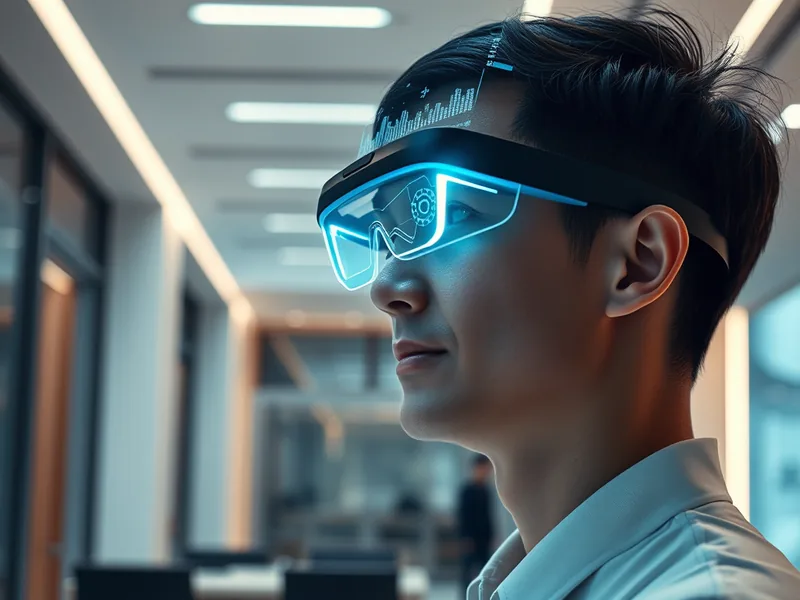
Baidu has yet to announce the price of its smart glasses. For context, Meta's latest smart glasses are priced at $299. Given Baidu’s strong presence in China and the growing demand for AI-powered devices, the pricing strategy will be crucial in determining market adoption.
The launch of these smart glasses is part of Baidu's broader focus on AI technology. At the World Conference, the company also introduced:
These initiatives underscore Baidu’s commitment to advancing AI and making it more accessible to a wider audience. According to The Times, ByteDance's Doubao is currently the leading AI chatbot in China based on monthly active users, as observed by Sensor Tower. ByteDance has also expanded into hardware with the recent launch of earbuds that integrate with its AI assistant.
Baidu’s entry into the smart glasses market with ERNIE-powered devices represents a significant step in the company's AI strategy. By offering a robust set of features and leveraging local market advantages, Baidu aims to capture a share of the growing demand for AI-assisted wearable technology. As more companies enter this space, the competition is likely to drive innovation and improve user experiences across the board.
Tags
Original Sources
About the author
Kai built ML infrastructure at a Bay Area startup before developing an obsession with transformer architectures and inference optimisation that eventually pulled him out of product work entirely. A stint at a compute research lab sharpened his instinct for what actually matters in a model release versus what is marketing. He writes from the inside — from the perspective of someone who has debugged the systems he is describing at three in the morning. He is allergic to hype and instinctively drawn to the unglamorous plumbing questions that everyone else skips over.
More from The Engineer →This Week's Edition
13 November 2024
29 articles
Related Articles

Rosarium Health Partners With Anthem Medi-Cal to Fund Home Modifications for Older Californians
Products & Applications · 5 min

Meta's new open-weight model runs on Macs, if you have 1TB of RAM to spare
Products & Applications · 5 min

Persona AI Bets on Calm Execution in a Noisy Humanoid Robotics Market
Products & Applications · 5 min
Related Articles
Rosarium Health Partners With Anthem Medi-Cal to Fund Home Modifications for Older Californians
Products & Applications · 5 min
Meta's new open-weight model runs on Macs, if you have 1TB of RAM to spare
Products & Applications · 5 min
Persona AI Bets on Calm Execution in a Noisy Humanoid Robotics Market
Products & Applications · 5 min
More Stories
© 2026 Cedar & Bloom. All rights reserved.
