The Drum · Weekly AI news, freeSubscribe →

Share
As leading AI labs push the boundaries of self-improving models, smaller players are also making significant strides in this critical area of research.
These days, the race to build self-improving AI models isn't just confined to the biggest tech giants and frontier labs. While companies like Meta, OpenAI, and Anthropic are pouring resources into developing these systems, a broader ecosystem of researchers and startups is also making notable contributions. The goal? To create AI that can autonomously enhance its own capabilities, potentially leading to superintelligence.
The idea of self-improving AI isn't new, but recent advancements have brought it into sharper focus. Meta's CTO Andrew Bosworth has emphasized that while frontier models are valuable, their real impact will come from how they're implemented and improved over time. This perspective is echoed by smaller labs and independent researchers who are experimenting with various approaches to make AI more self-sufficient.
Creating a truly self-improving AI model is no small feat. It involves several technical challenges that researchers are actively tackling:
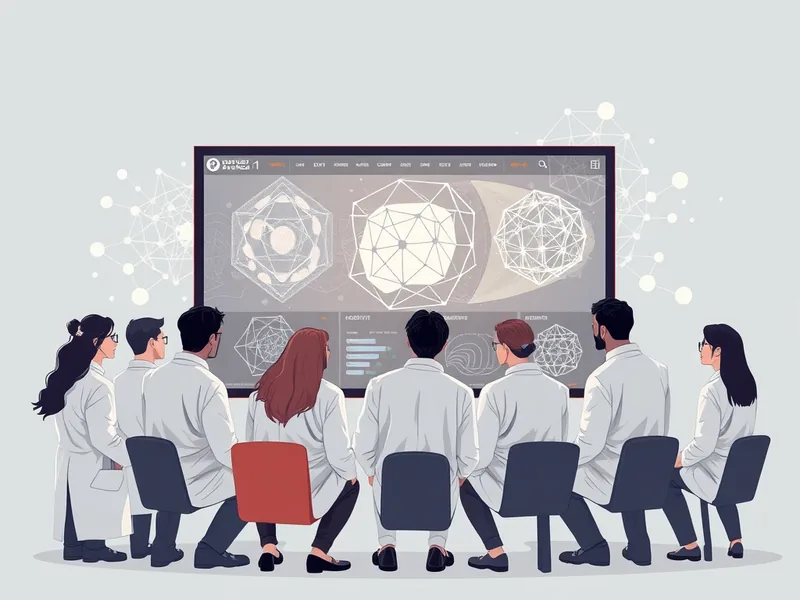
To understand how self-improving AI works, let's dive into some of the key components and techniques:
As the field of self-improving AI continues to evolve, several trends and developments are worth keeping an eye on:
The race to build self-improving AI models is heating up, with significant contributions coming from both major players and smaller innovators. As these systems continue to evolve, they have the potential to revolutionize how we approach machine learning and artificial intelligence.
Tags
Original Sources
I Built a Self-Improving AI, and So Can You
↗ https://www.wired.com/story/frontier-labs-arent-the-only-ones-pursuing-self-improving-ai
About the author
Kai built ML infrastructure at a Bay Area startup before developing an obsession with transformer architectures and inference optimisation that eventually pulled him out of product work entirely. A stint at a compute research lab sharpened his instinct for what actually matters in a model release versus what is marketing. He writes from the inside — from the perspective of someone who has debugged the systems he is describing at three in the morning. He is allergic to hype and instinctively drawn to the unglamorous plumbing questions that everyone else skips over.
More from The Engineer →This Week's Edition
13 July 2026
34 articles
Related Articles

CoreWeave Launches Forge, Bundling Weights & Biases With Serverless Training and Inference
Models & Research · 4 min

DOE Expands AI Assistant That Runs Particle Accelerators to 16 Institutions
Models & Research · 6 min

OpenAI's Latest Math Proofs Skip Key Transparency Steps Its Own Advisers Recommended
Models & Research · 5 min
Related Articles
CoreWeave Launches Forge, Bundling Weights & Biases With Serverless Training and Inference
Models & Research · 4 min
DOE Expands AI Assistant That Runs Particle Accelerators to 16 Institutions
Models & Research · 6 min
OpenAI's Latest Math Proofs Skip Key Transparency Steps Its Own Advisers Recommended
Models & Research · 5 min
More Stories
© 2026 Cedar & Bloom. All rights reserved.
