The Drum · Weekly AI news, freeSubscribe →

Share
As our knowledge of cancer biology deepens, researchers are exploring innovative ways to translate this understanding into more effective treatments that can save lives.
Over the past few decades, the landscape of cancer research has transformed dramatically. Advances in genomics and molecular biology have unveiled intricate details about the proteins, pathways, and mechanisms that drive cancer. However, knowing more hasn't always translated into better outcomes for patients. This gap highlights a critical challenge: cancer is not a single disease but a complex array of conditions, each with its own biological drivers, evolution over time, and potential resistance to treatment.
Despite these hurdles, the scientific community has not wavered in its pursuit of more targeted, mechanism-driven approaches. One key player in this effort is Bristol Myers Squibb (BMS), whose oncology pipeline reflects a broader evolution in cancer research. The company's strategies span multiple fronts, including immuno-oncology, antibody-drug conjugates, cell therapies, radiopharmaceuticals, and combination treatments. These approaches aim to tackle cancer from various angles, addressing tumor-intrinsic drivers, the tumor microenvironment, and specific cell-surface targets.
Among these innovative strategies, targeted protein degradation (TPD) stands out as a promising approach. TPD represents a significant shift in how scientists think about treating cancer. Unlike traditional drugs that work by binding to and inhibiting disease-causing proteins, TPD aims to degrade these proteins entirely. This method is particularly useful for targeting "undruggable" proteins-those that lack accessible binding sites or have been resistant to conventional treatments.
The potential of TPD lies in its ability to expand the range of targets available for therapeutic intervention. By degrading disease-causing proteins, researchers can potentially address a broader spectrum of cancer drivers. This approach has already shown promise in preclinical studies and is being actively explored for clinical applications. As scientists continue to uncover more about the biological drivers of cancer, TPD and other new modalities are creating additional ways to act on these insights.
The evolution of oncology research is not just a story of scientific discovery but also one of collaboration and innovation. BMS's pipeline exemplifies this by integrating multiple cutting-edge technologies. For instance, immuno-oncology leverages the body's immune system to recognize and attack cancer cells, while antibody-drug conjugates deliver toxic payloads directly to tumor cells, minimizing harm to healthy tissues. Cell therapies, such as CAR-T cell therapy, involve engineering a patient's own immune cells to target specific cancer markers. Radiopharmaceuticals use targeted radiation to destroy cancer cells, and combination strategies aim to enhance the effectiveness of treatments by using multiple approaches simultaneously.
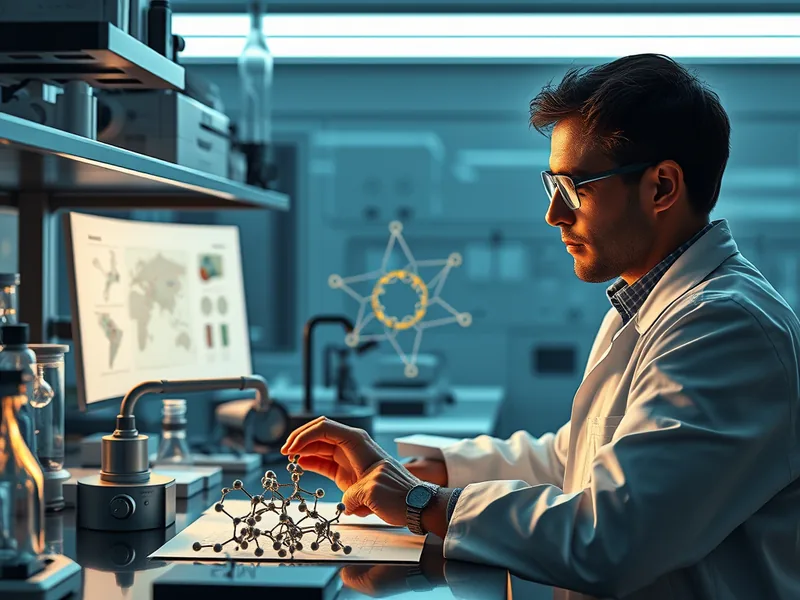
The future of cancer treatment is poised for significant advancements as researchers continue to refine and develop these innovative approaches. The integration of genomics, molecular biology, and advanced therapeutic modalities is paving the way for more personalized and effective care. However, with these advancements come ethical considerations and public health implications that must be carefully addressed.
One key concern is ensuring equitable access to new treatments. As therapies become more sophisticated and expensive, there is a risk that they may only be available to those who can afford them. Policymakers and healthcare providers must work together to ensure that breakthroughs in cancer research benefit all patients, regardless of their socioeconomic status.
Another important aspect is the need for ongoing public education about the latest developments in cancer treatment. Misinformation and distrust can hinder the adoption of new therapies, as seen with other public health initiatives such as vaccination programs. Clear communication and transparent engagement with the public are essential to build trust and foster a supportive environment for medical innovation.
The journey from understanding cancer biology to developing new ways to act on it is an ongoing one. As researchers continue to push the boundaries of what is possible, the potential for transformative breakthroughs remains high. By addressing the ethical, social, and economic challenges that come with these advancements, we can ensure that the benefits of scientific progress reach all those who need them most.
Tags
Original Sources
What comes after understanding cancer biology? New ways to act on it
↗ https://www.statnews.com/sponsor/2026/08/10/what-comes-after-understanding-cancer-biology-new-ways-to-act-on-it
About the author
Amara's entry point into AI was an epidemiology role at a London research hospital, where she spent five years studying how digital health tools reached — or conspicuously failed to reach — underserved communities. Watching early algorithmic systems in healthcare quietly entrench existing inequalities, she redirected her career toward the systemic consequences of AI at scale. She covers AI through an unflinching lens: who benefits, who bears the cost, and what evidence actually says versus what the press release claims. Her writing is calm and precise, but she doesn't mistake balance for neutrality.
More from The Steward →This Week's Edition
17 August 2026
113 articles
Related Articles
Related Articles
More Stories
© 2026 Cedar & Bloom. All rights reserved.