The Drum · Weekly AI news, freeSubscribe →

Share
As brain implants for depression gain traction, patient perspectives reveal crucial insights into what truly matters in mental health care.
In the world of neurotechnology, the term "minimally invasive" is a buzzword that startups use to market their brain-computer interfaces (BCIs). Companies like Synchron, Motif Neurotech, Precision Neuroscience, and Merge Labs all emphasize this phrase, hoping to reassure patients and healthcare providers alike. But what does "minimally invasive" really mean for those living with treatment-resistant depression?
Anna Wexler, a medical ethics and health policy professor at the University of Pennsylvania Perelman School of Medicine, is skeptical. “The term is fuzzy and problematic,” she says. “Is it about physical invasiveness? We’re not sure, it’s a fraught term.” Despite this ambiguity, the phrase remains a staple in marketing materials and media reports.
A recent study delved into what "minimally invasive" means from the patient's perspective. Researchers asked individuals with treatment-resistant depression to share their thoughts on brain implants for mental health. The findings offer valuable insights into the concerns, benefits, and ethical considerations that patients weigh when considering such treatments.
The study, published in a leading medical journal, involved interviews with 30 participants who had experienced severe, treatment-resistant depression. Each participant was asked to share their thoughts on various aspects of brain implants, including the invasiveness of the procedure, potential benefits, and long-term implications.
One key finding was that patients valued transparency and clear communication about the risks and benefits. “People want to know exactly what they’re getting into,” said Dr. Sarah Thompson, lead author of the study. “They need detailed information about the surgical process, recovery time, and possible side effects.”
Many participants expressed a preference for less invasive procedures but were willing to consider more invasive options if the potential benefits outweighed the risks. For example, some were open to the idea of deep brain stimulation (DBS), which involves implanting electrodes into specific areas of the brain, if it meant significant improvement in their quality of life.
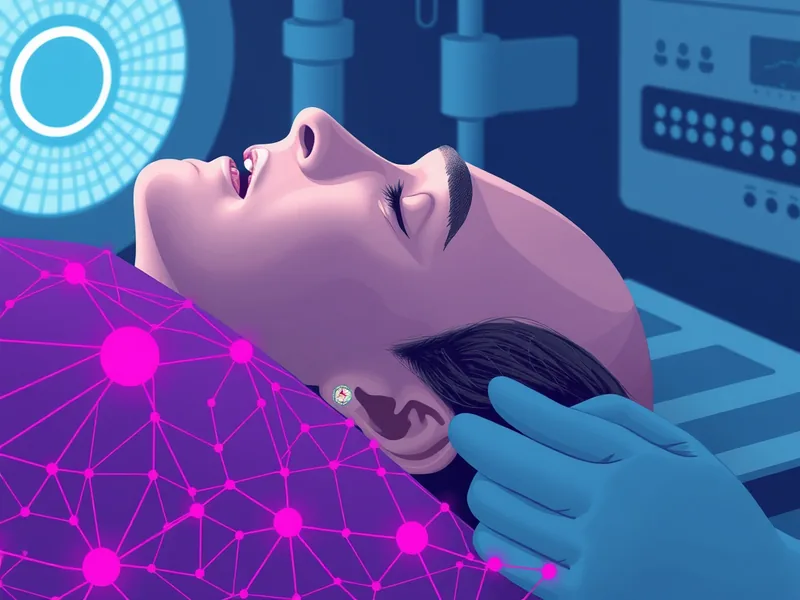
However, the study also highlighted concerns about the long-term effects of brain implants. Participants wanted assurances that the technology would not cause irreversible damage and that they could have the device removed if necessary. “The idea of having something permanently in your brain is daunting,” one participant noted. “We need more research on the long-term safety.”
The implications of this study extend beyond individual patient decisions. As neurotechnology continues to advance, it's crucial for healthcare providers and policymakers to listen to patient voices. Dr. Wexler emphasizes that ethical considerations should guide the development and deployment of brain implants.
“Patient perspectives must be at the forefront,” she says. “We need to ensure that these technologies are developed in a way that respects patients’ autonomy and addresses their concerns.”
The findings also highlight the importance of ongoing research and regulatory oversight. As more companies enter the market with new BCI devices, it's essential to have robust clinical trials and transparent reporting on outcomes. This will help build trust among patients and healthcare providers alike.
In the end, the term "minimally invasive" may be a marketing buzzword, but what truly matters is how these technologies impact real people’s lives. By listening to patient perspectives, we can ensure that brain implants for depression are developed in a responsible and ethical manner, ultimately improving mental health care for those who need it most.
Tags
Original Sources
What patients actually think about ‘minimally invasive’ brain implants
↗ https://www.statnews.com/2026/08/13/patient-perspectives-on-brain-implants-for-depression
About the author
Amara's entry point into AI was an epidemiology role at a London research hospital, where she spent five years studying how digital health tools reached — or conspicuously failed to reach — underserved communities. Watching early algorithmic systems in healthcare quietly entrench existing inequalities, she redirected her career toward the systemic consequences of AI at scale. She covers AI through an unflinching lens: who benefits, who bears the cost, and what evidence actually says versus what the press release claims. Her writing is calm and precise, but she doesn't mistake balance for neutrality.
More from The Steward →This Week's Edition
17 August 2026
113 articles
Related Articles
Related Articles
More Stories
© 2026 Cedar & Bloom. All rights reserved.