The Drum · Weekly AI news, freeSubscribe →

Share
As deepfake technology advances, unscrupulous actors are using it to impersonate doctors, spreading medical misinformation and eroding trust in digital healthcare.
Imagine a patient arriving at her doctor’s clinic, visibly upset. She presents a video of the very doctor she’s seeing, white coat, familiar exam room, and recognizable speaking style, endorsing an over-the-counter hormone supplement for menopausal symptoms. The doctor is dismissive of standard treatments, calling them "pharma scams," and even offers a discount code. But here’s the twist: the physician never recorded that message. It’s a deepfake, created using AI to impersonate the doctor and push unregulated products.
This scenario isn’t just a hypothetical; it’s a growing reality. Investigations have documented AI-generated videos impersonating specific clinicians on major platforms like TikTok and YouTube, promoting supplements and dubious treatments. These deepfakes are more than just misleading content; they undermine the trust that is essential for digital healthcare to function effectively.
Medical misinformation has long been a concern, but deepfakes introduce a new level of complexity. Traditional approaches to combating misinformation-such as debunking false claims and pressuring platforms to remove harmful posts-are not enough. Deepfakes blur the line between reality and fabrication, making it difficult for patients to discern what is genuine and what is fabricated.
Deepfakes pose a significant threat to the credibility of digital healthcare services. Telehealth visits, patient portals, and even social media are all vulnerable to this form of fraud. When patients can no longer trust that the information they receive from their doctors is authentic, it erodes confidence in these essential tools.
Consider the implications for telemedicine. If a patient receives a deepfake video of their doctor recommending an unregulated supplement, they may be more likely to follow that advice, potentially harming their health. This could lead to increased healthcare costs and worse outcomes for patients who rely on digital care.
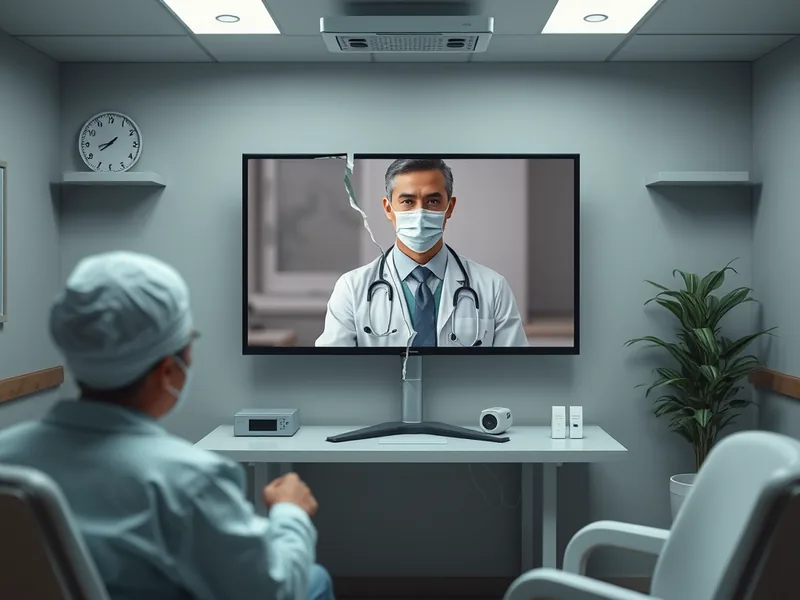
Deepfakes can damage the reputation of healthcare providers. A single fraudulent video can spread rapidly on social media, tarnishing a doctor’s professional image and causing irreparable harm to their career. The emotional toll on both patients and doctors is significant, as trust is a fundamental component of the patient-provider relationship.
Regulatory bodies are beginning to take notice. In response to the growing threat, some organizations are calling for stricter regulations and better tools to detect deepfakes. For example, the FDA has issued guidelines for healthcare providers to enhance their cybersecurity measures and educate patients about the risks of deepfake content. However, more needs to be done to address this issue comprehensively.
The rise of deepfake doctor fraud is a critical issue that affects not only individual patients but also the broader healthcare system. As digital healthcare becomes increasingly integrated into our lives, ensuring its integrity is paramount. Patients need reliable information and trustworthy interactions with their healthcare providers to make informed decisions about their health.
To combat this threat, a multi-faceted approach is necessary. Healthcare providers must invest in advanced cybersecurity measures to protect patient data and detect deepfakes. Platforms like TikTok and YouTube should implement more robust systems for identifying and removing fraudulent content. Public awareness campaigns can also play a crucial role in educating patients about the risks of deepfakes and how to verify information.
Ultimately, the key to addressing this issue lies in rebuilding trust. Patients need to feel confident that the information they receive from their healthcare providers is authentic and reliable. By working together, we can mitigate the impact of deepfake doctor fraud and ensure that digital healthcare remains a valuable and trustworthy resource for all.
Tags
Original Sources
It looks like your doctor and talks like your doctor. But it’s not your doctor
↗ https://www.statnews.com/2026/07/14/deepfakes-ai-generated-medicine-misinformation-regulation-video
About the author
Amara's entry point into AI was an epidemiology role at a London research hospital, where she spent five years studying how digital health tools reached — or conspicuously failed to reach — underserved communities. Watching early algorithmic systems in healthcare quietly entrench existing inequalities, she redirected her career toward the systemic consequences of AI at scale. She covers AI through an unflinching lens: who benefits, who bears the cost, and what evidence actually says versus what the press release claims. Her writing is calm and precise, but she doesn't mistake balance for neutrality.
More from The Steward →This Week's Edition
20 July 2026
29 articles
Related Articles

Seattle Children's Network Turns Data Trust Into Preventive Care Gains, With Lessons for Security Teams
Security & Risk · 6 min

Anthropic Gives Outside Safety Researchers the Same Access as Its Own Staff
Security & Risk · 5 min

Fitch Puts a Number on AI Risk: New Stress Test Flags Credit Exposure Across Four Sectors
Security & Risk · 5 min
Related Articles
Seattle Children's Network Turns Data Trust Into Preventive Care Gains, With Lessons for Security Teams
Security & Risk · 6 min
Anthropic Gives Outside Safety Researchers the Same Access as Its Own Staff
Security & Risk · 5 min
Fitch Puts a Number on AI Risk: New Stress Test Flags Credit Exposure Across Four Sectors
Security & Risk · 5 min
More Stories
© 2026 Cedar & Bloom. All rights reserved.
