The Drum · Weekly AI news, freeSubscribe →
Share
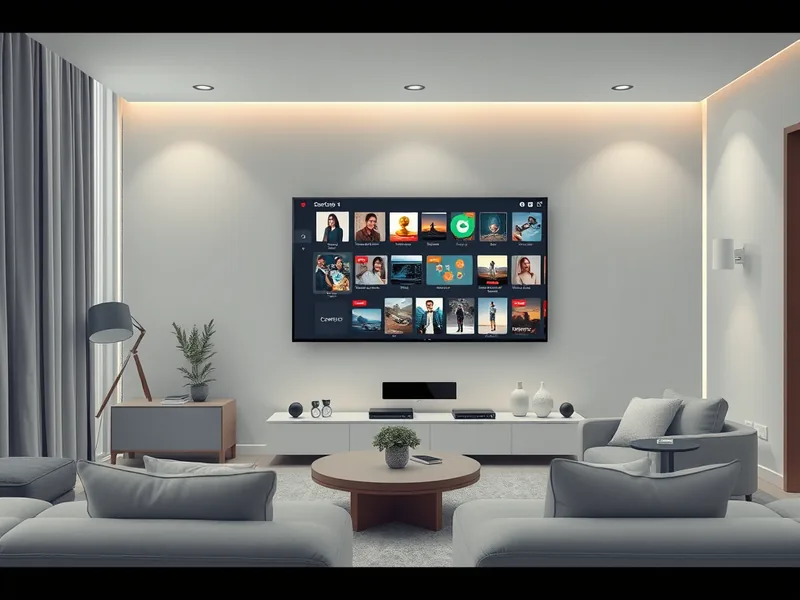
Diddo’s funding injection will boost its AI-driven shoppable TV API, allowing viewers to buy products instantly from shows and movies across multiple streaming services, revolutionizing how consumers engage with content.
Diddo, a technology company specializing in shoppable television experiences, has secured new funding that will enable the expansion of its proprietary API across various streaming platforms. The company’s API leverages advanced computer vision AI to identify and make products visible for purchase directly within TV shows and movies.
The integration of Diddo's shoppable TV API into streaming platforms represents a significant opportunity for both content creators and retailers. By enabling viewers to seamlessly purchase items they see on screen, the technology aims to enhance user engagement and drive new revenue streams. According to Diddo, this approach can increase conversion rates by up to 30% compared to traditional e-commerce methods.
Diddo’s API is built on a foundation of proprietary computer vision AI, which allows for real-time identification and tagging of products within video content. This technology can detect a wide range of items, from clothing and accessories to home decor and electronics. Once identified, these products are made available for immediate purchase through integrated e-commerce links.
The company has already demonstrated the effectiveness of its API with several pilot programs on linear TV networks. These initial deployments have shown promising results, with significant increases in viewer engagement and sales. The new funding will be used to scale these capabilities to streaming platforms, where the potential audience is even larger and more diverse.
Despite the promising potential, there are several risks associated with Diddo's expansion strategy:
User Experience: Integrating shoppable features without disrupting the viewing experience is crucial. If the technology is perceived as intrusive or cumbersome, it could lead to viewer dissatisfaction and lower adoption rates.
Content Provider Relationships: Securing partnerships with major streaming platforms and content creators will be essential for widespread adoption. These negotiations can be complex and may involve significant upfront costs.
Competition: The market for shoppable TV is becoming increasingly crowded, with other tech companies and startups developing similar solutions. Diddo will need to differentiate itself through superior technology and strategic partnerships.
The global streaming market is projected to reach $184 billion by 2027, according to a report by Allied Market Research. This growth presents a significant opportunity for Diddo to capture a share of the market by providing a unique and valuable service to both content providers and viewers.
By enabling seamless e-commerce within streaming content, Diddo can help streaming platforms diversify their revenue streams beyond subscription fees. For retailers, this technology offers a new channel to reach consumers in a highly engaging and contextually relevant manner.
Diddo’s new funding marks an important step in the company's mission to transform the way viewers interact with television content. The expansion of its shoppable TV API to streaming platforms has the potential to revolutionize e-commerce, enhancing user experiences and driving new revenue opportunities. However, navigating the complexities of user experience, content provider relationships, and market competition will be critical for long-term success.
Tags
Original Sources
About the author
Marcus began tracking AI's market implications in 2016, noticing AI-related patent filings accelerating ahead of earnings upgrades before most of the sell-side had caught on. A former fixed-income quantitative analyst, he spent two decades building models that priced risk across emerging markets before pivoting to cover the economic impact of AI full-time. His writing translates opaque technical developments into clear risk/reward terms — and he's rarely diplomatic about the gap between AI valuations and underlying fundamentals. He believes most market participants still underestimate AI's long-run deflationary effect on knowledge work.
More from The Analyst →This Week's Edition
1 May 2024
29 articles
Related Articles

Rosarium Health Partners With Anthem Medi-Cal to Fund Home Modifications for Older Californians
Products & Applications · 5 min

Meta's new open-weight model runs on Macs, if you have 1TB of RAM to spare
Products & Applications · 5 min

Persona AI Bets on Calm Execution in a Noisy Humanoid Robotics Market
Products & Applications · 5 min
Related Articles
Rosarium Health Partners With Anthem Medi-Cal to Fund Home Modifications for Older Californians
Products & Applications · 5 min
Meta's new open-weight model runs on Macs, if you have 1TB of RAM to spare
Products & Applications · 5 min
Persona AI Bets on Calm Execution in a Noisy Humanoid Robotics Market
Products & Applications · 5 min
More Stories
© 2026 Cedar & Bloom. All rights reserved.
