The Drum · Weekly AI news, freeSubscribe →
Share
Ten digital models created by artificial intelligence are set to compete in "Miss AI," challenging traditional beauty standards and raising questions about authenticity and representation in the influencer industry.
The world of beauty pageants is about to get a digital makeover. This month, the inaugural "Miss AI" pageant is bringing together ten models that exist solely in the digital realm, marking a significant shift in how we perceive and engage with influencers and beauty standards.
Beauty pageants have long been a platform for showcasing not just physical appearance but also personality and community service. However, one constant has always been the requirement for contestants to be human. Now, that's changing as AI-generated models step into the spotlight.
These digital contestants are more than just pretty faces; they are fully realized characters with their own social media presence. They exist primarily on platforms like Instagram, where they share photorealistic images and videos of themselves, often indistinguishable from real people. Some can even be seen talking and moving in short clips, sharing "thoughts" and news about their digital lives.
The Miss AI pageant is a groundbreaking event that brings together these AI-generated models to compete for the title of the world's first digital beauty queen. One notable contestant is Aiyana Rainbow, an AI model created in Romania. Her Instagram profile showcases her as a vibrant and engaging personality, complete with lifestyle photos and videos.
The pageant judges are looking at more than just looks. They are evaluating these models on their ability to connect with audiences, their creativity, and their potential to influence social media trends. This new type of influencer is not bound by the physical limitations of human contestants, allowing for a broader range of expressions and interactions.
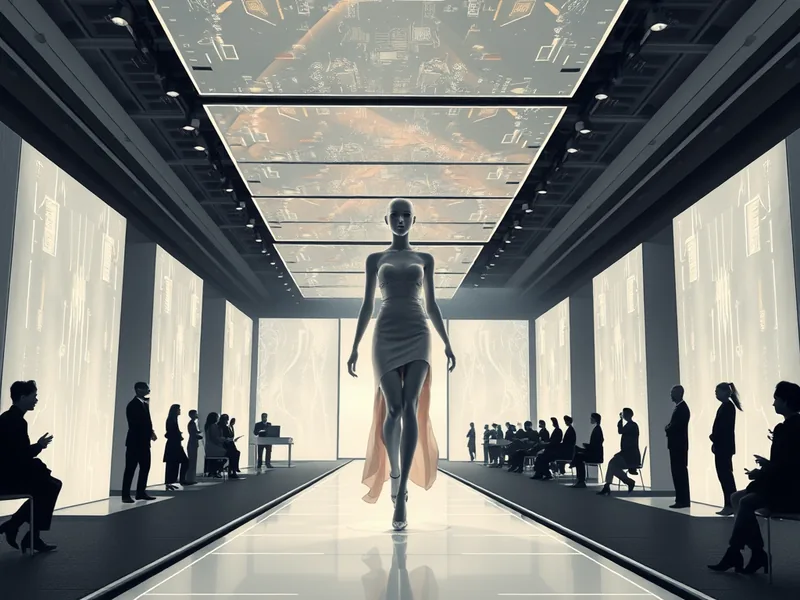
The rise of AI-generated models in beauty pageants reflects a larger trend in the digital world. These characters are becoming increasingly popular as influencers, with brands and marketers recognizing their potential to reach new audiences. Unlike human influencers, these digital personalities can be available 24/7, consistently producing content without the need for rest or personal time.
However, this shift also raises important questions about authenticity and the impact on real people. As AI-generated models become more prevalent, there is a risk that they could overshadow human influencers and even influence beauty standards in harmful ways. It's crucial to consider how these digital characters are presented and what messages they convey to their followers.
The benefits of AI-generated models are clear. They offer brands the ability to create consistent, controlled narratives and can be tailored to specific marketing goals. They can also represent a diverse range of looks and personalities, potentially broadening the scope of beauty standards.
However, there are significant risks as well. The blurring of lines between real and digital personas could lead to confusion and misinformation. There is also the potential for these models to perpetuate unrealistic beauty ideals, which could have negative psychological impacts on their followers, especially young people who are particularly vulnerable to social media influences.
The Miss AI pageant is just the beginning of a new era in digital influence. As technology continues to advance, we can expect to see more AI-generated models entering various aspects of entertainment and marketing. It's essential for both creators and consumers to approach this trend with a critical eye, ensuring that these digital personalities are used responsibly and ethically.
As we welcome these new digital influencers into our social media feeds, it's important to maintain a balance between innovation and responsibility. By doing so, we can enjoy the benefits of AI-generated models while minimizing their potential risks.
Tags
Original Sources
About the author
Amara's entry point into AI was an epidemiology role at a London research hospital, where she spent five years studying how digital health tools reached — or conspicuously failed to reach — underserved communities. Watching early algorithmic systems in healthcare quietly entrench existing inequalities, she redirected her career toward the systemic consequences of AI at scale. She covers AI through an unflinching lens: who benefits, who bears the cost, and what evidence actually says versus what the press release claims. Her writing is calm and precise, but she doesn't mistake balance for neutrality.
More from The Steward →This Week's Edition
17 June 2024
29 articles
Related Articles

Rosarium Health Partners With Anthem Medi-Cal to Fund Home Modifications for Older Californians
Products & Applications · 5 min

Meta's new open-weight model runs on Macs, if you have 1TB of RAM to spare
Products & Applications · 5 min

Persona AI Bets on Calm Execution in a Noisy Humanoid Robotics Market
Products & Applications · 5 min
Related Articles
Rosarium Health Partners With Anthem Medi-Cal to Fund Home Modifications for Older Californians
Products & Applications · 5 min
Meta's new open-weight model runs on Macs, if you have 1TB of RAM to spare
Products & Applications · 5 min
Persona AI Bets on Calm Execution in a Noisy Humanoid Robotics Market
Products & Applications · 5 min
More Stories
© 2026 Cedar & Bloom. All rights reserved.
