The Drum · Weekly AI news, freeSubscribe →
Share
As health-conscious consumers demand more transparency, food giants like PepsiCo are rebranding ultra-processed snacks as farm-fresh. But does this new narrative stand up to scrutiny?
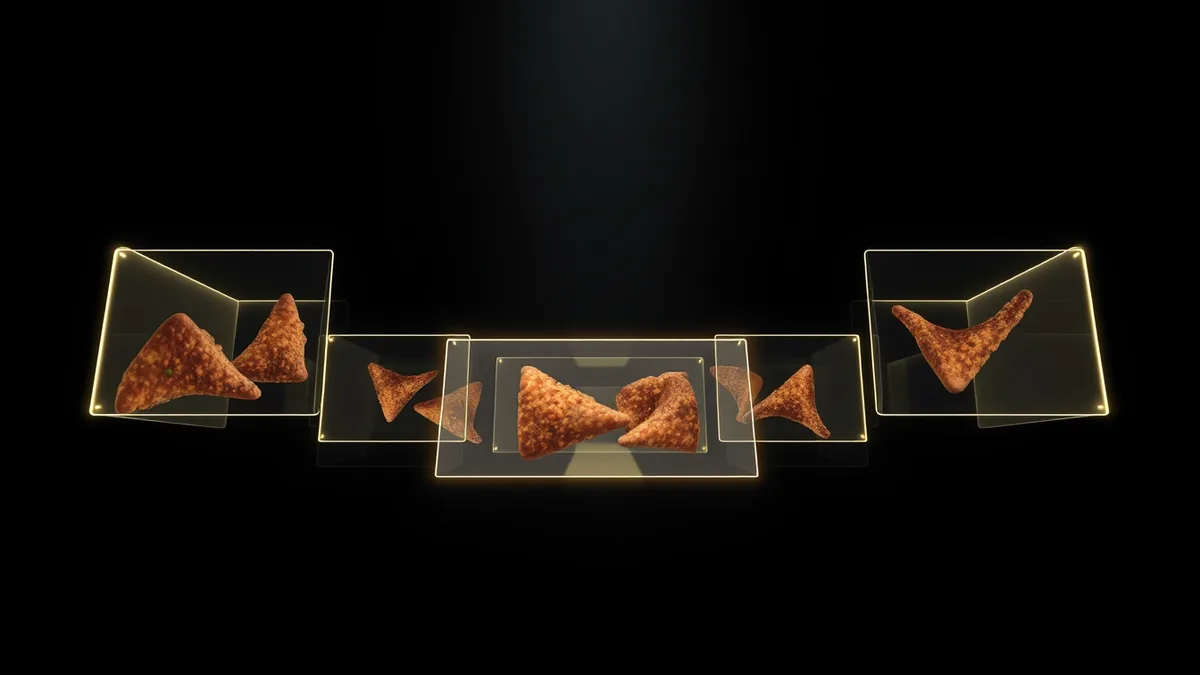
In a world where "Eat Real Food" has become a rallying cry for public health advocates, it might seem surprising to see Doritos, the beloved yet heavily processed snack chip, marketed as part of a farm-to-table movement. PepsiCo's latest ad campaign, featuring slogans like “PepsiCo partners with farmers to bring Doritos from the field to you,” aims to reframe Doritos as a wholesome, natural choice. But is this just clever marketing, or does it have real substance?
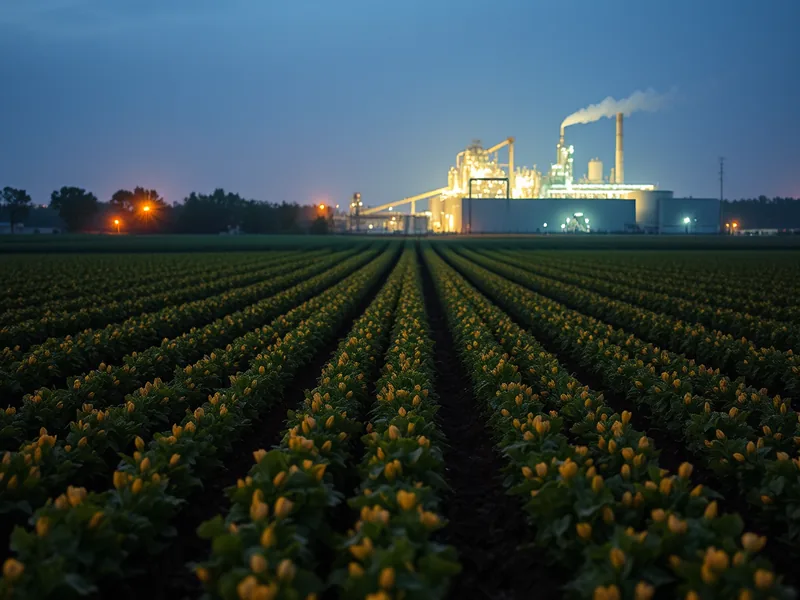
The new ads showcase images of corn seedlings and a farmer in a PepsiCo hat riding a rusted tractor, evoking a sense of authenticity and connection to the land. This narrative aligns with the growing consumer demand for transparency and ethical sourcing, but it also raises questions about whether such claims are more than just a veneer.
Health experts have long criticized ultra-processed foods like Doritos for their high levels of salt, sugar, and unhealthy fats, which contribute to chronic diseases such as obesity, heart disease, and diabetes. The Make America Healthy Again movement, spearheaded by Health Secretary Robert F. Kennedy Jr., has been particularly vocal in this regard. The movement advocates for a diet rich in whole foods and minimal processing, aiming to combat the rising tide of health issues linked to poor dietary choices.
PepsiCo's marketing strategy is not unique; many food companies are scrambling to adapt to changing consumer preferences. According to Dr. Marion Nestle, a nutrition policy professor at New York University, "The food industry is under increasing pressure to appear more health-conscious and sustainable. These campaigns are designed to make consumers feel good about their choices, even if the products themselves haven't fundamentally changed."
The farm-to-table narrative is particularly powerful because it taps into a broader cultural shift towards sustainability and ethical consumption. Consumers are increasingly interested in where their food comes from and how it is produced. For PepsiCo, highlighting its partnerships with farmers and showcasing the journey from field to snack can create a sense of transparency and trust.
However, the reality is that Doritos, like many other ultra-processed foods, undergo extensive manufacturing processes that strip them of nutritional value. The addition of preservatives, artificial flavors, and colors further distances these snacks from their natural origins. Dr. Nestle explains, "While it's positive that companies are engaging with farmers, the health impact of the final product remains a critical concern. Marketing can only go so far in masking the inherent issues with ultra-processed foods."
The campaign also emphasizes sustainable packaging and agricultural innovation. PepsiCo claims to be investing in more eco-friendly materials and farming practices, which could have genuine environmental benefits. However, critics argue that these efforts are often overshadowed by the health risks associated with the products themselves.
As consumers become more discerning, it is crucial for food companies to back up their marketing claims with substantive changes. Dr. David Katz, founding director of the Yale-Griffin Prevention Research Center, suggests that "companies should focus on reformulating their products to be healthier and more sustainable, rather than just rebranding them." This could involve reducing harmful additives, increasing whole ingredients, and supporting regenerative farming practices.
For now, PepsiCo's farm-to-table campaign is a clear indication of the food industry's response to shifting consumer values. Whether this represents a genuine shift towards healthier, more sustainable products or simply a marketing ploy remains to be seen. In the meantime, consumers should remain vigilant and critically evaluate the claims made by their favorite brands.
The future of the food industry will likely see continued pressure from health advocates and environmentally conscious consumers. As these groups push for transparency and accountability, companies like PepsiCo will need to demonstrate more than just marketing savvy if they want to maintain consumer trust and contribute positively to public health.
Tags
Original Sources
Doritos as farm-to-table snacks? Big Food, under duress, gets creative
↗ https://www.statnews.com/2026/08/18/farm-to-table-doritos-ultra-processed-food-ad-campaign-healthwashing
About the author
Amara's entry point into AI was an epidemiology role at a London research hospital, where she spent five years studying how digital health tools reached — or conspicuously failed to reach — underserved communities. Watching early algorithmic systems in healthcare quietly entrench existing inequalities, she redirected her career toward the systemic consequences of AI at scale. She covers AI through an unflinching lens: who benefits, who bears the cost, and what evidence actually says versus what the press release claims. Her writing is calm and precise, but she doesn't mistake balance for neutrality.
More from The Steward →This Week's Edition
24 August 2026
25 articles
Related Articles

DARPA's RSGS Program Aims to Put a Repair Robot in Geosynchronous Orbit
Products & Applications · 5 min

Text-Message AI Agents Multiply as Instinct's $10B Valuation Draws a Crowded Field
Products & Applications · 5 min

In a New York Times Songwriting Contest, AI Lost. The Details Explain Why
Products & Applications · 5 min
Related Articles
DARPA's RSGS Program Aims to Put a Repair Robot in Geosynchronous Orbit
Products & Applications · 5 min
Text-Message AI Agents Multiply as Instinct's $10B Valuation Draws a Crowded Field
Products & Applications · 5 min
In a New York Times Songwriting Contest, AI Lost. The Details Explain Why
Products & Applications · 5 min
More Stories
© 2026 Cedar & Bloom. All rights reserved.
