The Drum · Weekly AI news, freeSubscribe →

Share
Drake uses AI to bring back Tupac and Snoop Dogg in his new diss track “Taylor Made Freestyle,” escalating his feud with Kendrick Lamar and showcasing the tech’s potential to resurrect iconic voices in modern rap battles.
On April 19, 2024, rapper Drake released a new track titled "Taylor Made Freestyle" on his social media platforms. The song is notable not only for its content but also for its innovative use of artificial intelligence to incorporate the voices of late hip-hop legend Tupac Shakur and Snoop Dogg. This move comes as part of an ongoing feud with Kendrick Lamar, who recently responded to Drake's diss track "Push Ups."
The release of "Taylor Made Freestyle" underscores the evolving role of AI in the music industry. By using AI-generated vocals, Drake has pushed the boundaries of what is possible in digital music creation, potentially setting a precedent for future artists. However, the use of deceased artists' voices raises ethical and legal questions about copyright and legacy.
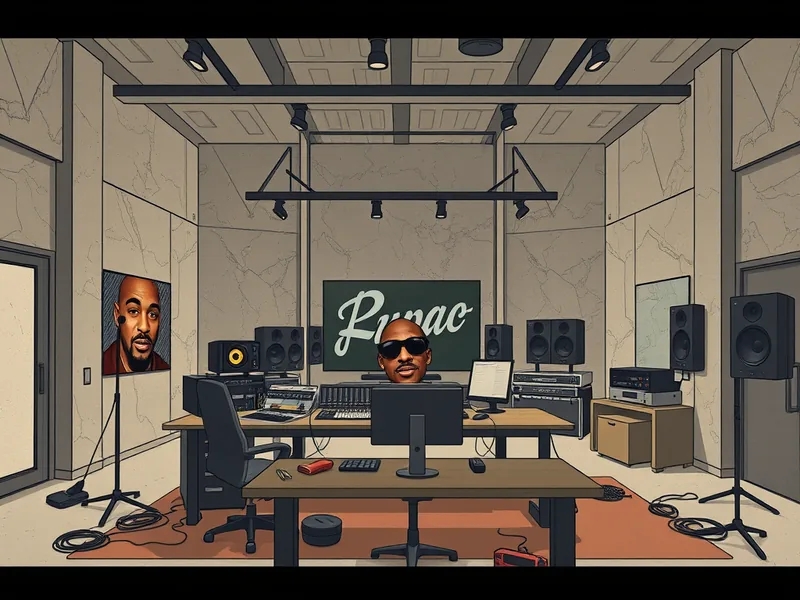
In "Taylor Made Freestyle," Drake uses AI to create vocals that sound like Tupac Shakur and Snoop Dogg. The track includes lines directed at Kendrick Lamar, such as:
These verses are interspersed with Drake's own lyrics, which also reference Taylor Swift’s new album. The track is a clear continuation of the beef between Drake and Kendrick Lamar, with Drake using advanced technology to maintain the intensity of the feud.
Drake's "Taylor Made Freestyle" is a bold move that leverages AI to create a unique and controversial piece of music. While it showcases the potential of AI in music production, it also highlights the complex legal and ethical issues surrounding the use of deceased artists' voices. The track’s reception will likely be mixed, but it undeniably adds another layer to the ongoing narrative in hip-hop.
Tags
Original Sources
About the author
Marcus began tracking AI's market implications in 2016, noticing AI-related patent filings accelerating ahead of earnings upgrades before most of the sell-side had caught on. A former fixed-income quantitative analyst, he spent two decades building models that priced risk across emerging markets before pivoting to cover the economic impact of AI full-time. His writing translates opaque technical developments into clear risk/reward terms — and he's rarely diplomatic about the gap between AI valuations and underlying fundamentals. He believes most market participants still underestimate AI's long-run deflationary effect on knowledge work.
More from The Analyst →This Week's Edition
26 April 2024
29 articles
Related Articles

Rosarium Health Partners With Anthem Medi-Cal to Fund Home Modifications for Older Californians
Products & Applications · 5 min

Meta's new open-weight model runs on Macs, if you have 1TB of RAM to spare
Products & Applications · 5 min

Persona AI Bets on Calm Execution in a Noisy Humanoid Robotics Market
Products & Applications · 5 min
Related Articles
Rosarium Health Partners With Anthem Medi-Cal to Fund Home Modifications for Older Californians
Products & Applications · 5 min
Meta's new open-weight model runs on Macs, if you have 1TB of RAM to spare
Products & Applications · 5 min
Persona AI Bets on Calm Execution in a Noisy Humanoid Robotics Market
Products & Applications · 5 min
More Stories
© 2026 Cedar & Bloom. All rights reserved.
