The Drum · Weekly AI news, freeSubscribe →

Share
A niche steel alloy used only in transformer cores has become a geopolitical pressure point. With lead times stretching years and grids under strain, Brussels and Washington face hard choices on tariffs versus domestic capacity.
Grain-oriented electrical steel, known in the industry as GOES, is not a product most investors track. It should be now. This specialized alloy, engineered to minimize energy loss in transformer cores, sits at the center of a supply bottleneck that is reshaping trade policy across Europe and raising uncomfortable questions in Washington.
The core problem is simple arithmetic. Demand for transformers has surged on the back of grid modernization, renewable integration, and data center buildout. Supply of the steel that makes transformers possible has not kept pace. Lead times for major high-voltage grid transformers now stretch to roughly five years. Medium-load substation units run about three years out. Even pole-mounted transformers, the workhorses that fail during storms and need rapid replacement, face waits of around 18 months.
That mismatch has turned GOES into a trade flashpoint. European policymakers are weighing tariffs and other barriers aimed at foreign suppliers, a move intended to protect or revive domestic production capacity. The logic is straightforward on paper: raise the cost of imports, make local manufacturing more competitive, and reduce dependence on a small number of overseas producers for a material with no substitute in transformer construction.
The strategic stakes here go beyond a single commodity line. GOES production is concentrated among a handful of global manufacturers, a dynamic that echoes the rare-earth dependency problem that has dogged Western industrial policy for years. One reader comment on the original IEEE Spectrum reporting drew that comparison directly, noting the risk of becoming reliant on others for a metal now deemed critical to grid infrastructure.
Tariffs carry an obvious tension. Raising the price of a strategically vital input does not, by itself, create new capacity. It raises costs for utilities and equipment makers that are already contending with multiyear backlogs. A reader identified as Bob Whitcombe made this point bluntly in response to the original reporting, questioning why policymakers would charge themselves more for a commodity in short supply rather than building strategic reserves and incentivizing new production directly. It is a fair critique. Tariff policy without a corresponding industrial strategy risks solving an import problem while leaving the underlying capacity problem untouched.
IEEE Spectrum staff editor Lucas Laursen raised a related question in the comments: what should the EU and U.S. actually be doing to encourage domestic GOES-making industries, independent of or alongside tariff barriers. It is the right question, and the source reporting does not yet have a clean answer. Building a grain-oriented steel plant is not a quick fix. These are specialized, capital-intensive facilities with their own multiyear construction timelines, which means any domestic capacity response will lag the current shortage by years, not months.
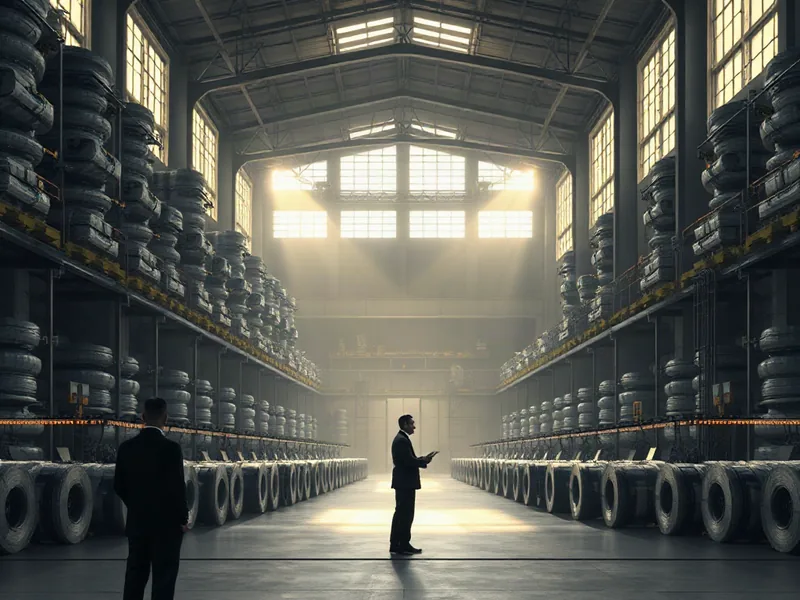
The most immediate risk is to grid reliability itself. Five-year lead times for high-voltage transformers mean utilities planning capacity expansions today are locking in delivery dates well into the next decade. That timeline collides directly with near-term electrification goals, including the power demand growth tied to AI data centers and electric vehicle charging infrastructure. If transformer supply cannot keep pace, grid buildout stalls regardless of how much capital is available for renewable generation or storage.
A second risk sits with the tariff mechanism itself. Trade barriers aimed at protecting domestic GOES production could raise input costs for transformer manufacturers across Europe in the near term, before any new domestic capacity comes online. Utilities and industrial buyers would absorb that cost increase during the exact window when supply is already constrained. That is a politically awkward position for regulators to defend, particularly as energy affordability remains a live issue across EU member states.
There is also concentration risk on the supply side. A small number of producers dominate global GOES output, which gives those firms significant pricing leverage during a shortage. Any disruption at a major facility, whether from trade restrictions, operational issues, or geopolitical friction, could tighten an already strained market further. Investors in transformer manufacturers, utilities, and grid equipment suppliers should treat this concentration as a standing risk factor, not a one-off event.
For companies positioned in electrical steel production or transformer manufacturing, the shortage represents a genuine pricing and capacity opportunity, assuming policy support materializes in a workable form. A combination of tariff protection and direct investment incentives, the kind of two-track approach Laursen's question implicitly calls for, could accelerate a buildout of Western GOES capacity that has been underfunded for years.
The precedent from rare earths is instructive here, both as a warning and as a template. Western economies underinvested in rare-earth processing for decades, then scrambled to build alternative supply chains once dependency became a strategic liability. GOES appears to be following a similar arc, just a few years behind. Policymakers who act now, before the shortage becomes a full-blown crisis, have a chance to avoid repeating that pattern.
The transformer shortage is not a temporary supply chain hiccup. It is a structural mismatch between surging grid investment demand and a concentrated, slow-to-expand supply base for a critical input material. Tariffs alone will not fix lead times measured in years. What the shortage requires is a coordinated industrial policy response, combining trade protection with direct capacity investment, delivered on a timeline that matches the multiyear nature of the problem. Investors tracking grid infrastructure, utilities, and industrial metals should watch whether European and U.S. policymakers move beyond tariff rhetoric toward the capital commitments that actual capacity expansion demands.
Tags
Original Sources
Why a Niche Steel Could Stall Europe’s Electrification Plans
↗ https://spectrum.ieee.org/transformer-shortage-europe-goes-steel
About the author
Marcus began tracking AI's market implications in 2016, noticing AI-related patent filings accelerating ahead of earnings upgrades before most of the sell-side had caught on. A former fixed-income quantitative analyst, he spent two decades building models that priced risk across emerging markets before pivoting to cover the economic impact of AI full-time. His writing translates opaque technical developments into clear risk/reward terms — and he's rarely diplomatic about the gap between AI valuations and underlying fundamentals. He believes most market participants still underestimate AI's long-run deflationary effect on knowledge work.
More from The Analyst →This Week's Edition
23 October 2026
29 articles
Related Articles
Related Articles
More Stories
© 2026 Cedar & Bloom. All rights reserved.