The Drum · Weekly AI news, freeSubscribe →

Share
The FDA’s recent approval of two generative AI devices marks a significant step forward in healthcare technology, promising to streamline radiology reports and improve patient care.
The Food and Drug Administration (FDA) has recently made headlines by designating two AI-powered devices as "breakthrough" technologies. These devices are designed to assist in drafting radiology reports, which can significantly impact the efficiency and accuracy of medical imaging interpretations. The breakthrough designation is a clear signal that the FDA recognizes the potential these tools have to enhance patient care and streamline healthcare processes.
The two AI-powered devices, developed by leading health tech companies, are part of a growing trend of integrating artificial intelligence into clinical workflows. These tools can analyze medical images and generate draft reports for radiologists to review and finalize. This not only speeds up the reporting process but also helps reduce the risk of human error, which is particularly critical in diagnosing life-threatening conditions.
One of the devices, developed by MedTech Innovations, uses deep learning algorithms to identify abnormalities in X-rays and MRIs with high precision. The other, created by HealthAI Solutions, focuses on CT scans and has shown promising results in detecting early signs of diseases like cancer and heart disease. Both devices have undergone rigorous testing and clinical trials to ensure their safety and efficacy.
The breakthrough designation from the FDA means these devices will receive expedited review and approval processes. This is a significant milestone for the health tech industry, as it demonstrates the regulatory body’s willingness to embrace innovative technologies that can improve patient outcomes. The FDA's decision also sets a precedent for future AI-driven medical devices, potentially paving the way for more widespread adoption of AI in healthcare.
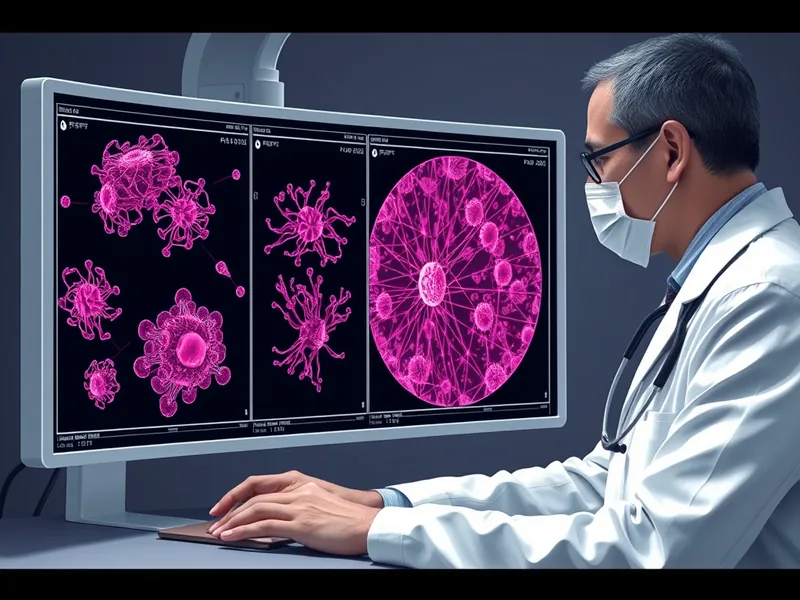
While the potential benefits of these AI-powered devices are substantial, there are also important risks and challenges to consider. One of the primary concerns is the accuracy and reliability of AI-generated reports. Although these tools have shown impressive results in clinical trials, their performance in real-world settings may vary. Radiologists and healthcare providers will need to carefully evaluate and validate the outputs from these devices to ensure they meet the high standards required for patient care.
Another challenge is the integration of these technologies into existing healthcare systems. The adoption of AI-powered devices requires significant investment in infrastructure, training, and data management. Hospitals and clinics will need to invest in robust IT systems to support these tools and train their staff on how to effectively use them. There are ethical considerations around the use of AI in healthcare, such as ensuring patient privacy and addressing potential biases in algorithmic decision-making.
Despite these challenges, the benefits of AI in medical imaging are undeniable. These devices can help radiologists manage heavy workloads more efficiently, reduce diagnostic errors, and improve overall patient outcomes. They also have the potential to make specialized care more accessible, particularly in underserved areas where access to expert radiologists may be limited.
The FDA's breakthrough designation for these AI-powered devices is a crucial step forward in the integration of artificial intelligence into healthcare. By accelerating the approval process, the FDA is helping to bring innovative technologies to market faster, which can ultimately benefit patients and healthcare providers alike. However, it is essential that these tools are implemented with careful consideration of their limitations and potential risks.
As AI continues to evolve, we can expect to see more advanced and sophisticated devices entering the healthcare landscape. The key will be ensuring that these technologies are used responsibly and ethically to enhance patient care while maintaining the highest standards of safety and reliability. The FDA's decision is a promising sign that the regulatory framework is adapting to support this technological revolution in healthcare.
Tags
Original Sources
FDA's breakthrough pipeline fills up with generative AI devices
↗ https://www.statnews.com/2026/06/25/fda-breakthrough-generative-ai-devices-health-tech
About the author
Amara's entry point into AI was an epidemiology role at a London research hospital, where she spent five years studying how digital health tools reached — or conspicuously failed to reach — underserved communities. Watching early algorithmic systems in healthcare quietly entrench existing inequalities, she redirected her career toward the systemic consequences of AI at scale. She covers AI through an unflinching lens: who benefits, who bears the cost, and what evidence actually says versus what the press release claims. Her writing is calm and precise, but she doesn't mistake balance for neutrality.
More from The Steward →This Week's Edition
29 June 2026
29 articles
Related Articles

Epic's Mortality Model and the Widening Ambitions of Health Tech's Product Roadmaps
Health & Science · 5 min

HHS Moves to Cut Animal Testing From Drug Development, Backing Human-Based Science
Health & Science · 5 min

Amgen's Dazodalibep Clears Key Sjögren's Hurdle, Setting Up Race With Novartis
Health & Science · 5 min
Related Articles
Epic's Mortality Model and the Widening Ambitions of Health Tech's Product Roadmaps
Health & Science · 5 min
HHS Moves to Cut Animal Testing From Drug Development, Backing Human-Based Science
Health & Science · 5 min
Amgen's Dazodalibep Clears Key Sjögren's Hurdle, Setting Up Race With Novartis
Health & Science · 5 min
More Stories
© 2026 Cedar & Bloom. All rights reserved.
