The Drum · Weekly AI news, freeSubscribe →

Share
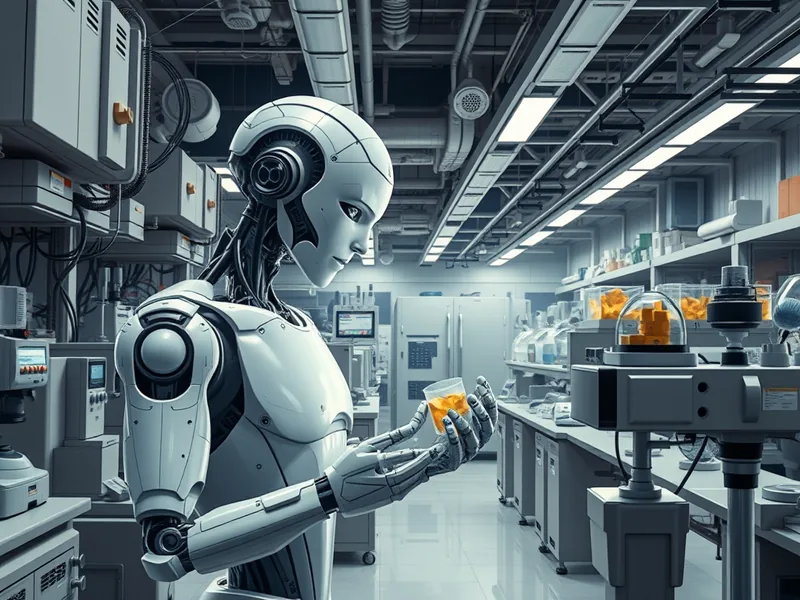
Figure AI and Brookfield are tackling the robotic data shortage with Project Go-Big, aiming to compile a massive dataset for humanoid robots that surpasses what language models can achieve online, bridging the gap in AI training diversity.
In a significant move for the robotics industry, Figure AI has announced Project Go-Big, an ambitious initiative aimed at creating the world’s largest pretraining dataset for humanoid robots. Unlike language models (LLMs), which can leverage vast amounts of internet data, robotic datasets are scarce and often lack the diversity needed to train sophisticated AI systems. This is where Project Go-Big steps in.
One of the primary challenges in robotics is the scarcity of high-quality, diverse training data. While LLMs like GPT-3 can scrape vast amounts of text from the internet, robots require a different kind of data-specifically, real-world interactions and movements. This data is crucial for training robots to navigate complex environments and perform tasks with precision.
To address this challenge, Figure AI has partnered with Brookfield, a global leader in real estate with over 100,000 residential units. This partnership provides access to a wide range of real-world settings where the Helix robot can learn and improve.
One of the key innovations in Project Go-Big is the use of human video data to train the Helix robot. This approach allows the robot to learn navigation and manipulation skills directly from how humans interact with their environments.
The technical implementation of Project Go-Big involves several key components:
Figure AI has already seen promising results from this approach. The Helix robot has demonstrated improved navigation and manipulation skills, particularly in complex and dynamic environments. The company plans to continue expanding the dataset and refining the training process.
Project Go-Big represents a significant step forward in the field of robotics. By leveraging real-world data from diverse environments, Figure AI and Brookfield are paving the way for more advanced and capable humanoid robots. This initiative not only addresses the challenge of data scarcity but also sets a new standard for how robots can learn and adapt to human-like behaviors.
Tags
Original Sources
About the author
Kai built ML infrastructure at a Bay Area startup before developing an obsession with transformer architectures and inference optimisation that eventually pulled him out of product work entirely. A stint at a compute research lab sharpened his instinct for what actually matters in a model release versus what is marketing. He writes from the inside — from the perspective of someone who has debugged the systems he is describing at three in the morning. He is allergic to hype and instinctively drawn to the unglamorous plumbing questions that everyone else skips over.
More from The Engineer →This Week's Edition
19 September 2025
29 articles
Related Articles

Rosarium Health Partners With Anthem Medi-Cal to Fund Home Modifications for Older Californians
Products & Applications · 5 min

Meta's new open-weight model runs on Macs, if you have 1TB of RAM to spare
Products & Applications · 5 min

Persona AI Bets on Calm Execution in a Noisy Humanoid Robotics Market
Products & Applications · 5 min
Related Articles
Rosarium Health Partners With Anthem Medi-Cal to Fund Home Modifications for Older Californians
Products & Applications · 5 min
Meta's new open-weight model runs on Macs, if you have 1TB of RAM to spare
Products & Applications · 5 min
Persona AI Bets on Calm Execution in a Noisy Humanoid Robotics Market
Products & Applications · 5 min
More Stories
© 2026 Cedar & Bloom. All rights reserved.
