The Drum · Weekly AI news, freeSubscribe →

Share
As younger physicians enter the workforce, they bring fresh perspectives and a commitment to patient care that could transform healthcare. But are we ready for their approach?
When I walked into my last doctor’s appointment, I did a double take. The physician who entered the room looked like she had just graduated high school. Clear skin, easy smile, iPad in hand-she was unmistakably young. She introduced herself, apologized for running a few minutes behind, and sat down.
I wasn’t worried about her competence. What caught me off-guard was how quietly medicine has changed. This encounter with a Generation Z doctor made me realize that the face of healthcare is evolving, and it’s happening faster than many of us might expect.
Generation Z, born between 1997 and 2012, is starting to make its mark in medicine. These young doctors are digital natives who grew up with technology at their fingertips. They bring a fresh perspective that values empathy, work-life balance, and patient-centered care. But this shift isn’t without its critics.
Some older physicians and healthcare administrators worry that Gen Z doctors might lack the toughness needed to handle the demanding and often grueling nature of medical practice. Critics argue that these young professionals are too soft, too focused on personal well-being, and not willing to put in the long hours that have been a hallmark of the profession for decades.
Frantz M. Berthaud, senior vice president of oncology services at University Medical Center of El Paso, experienced this firsthand during his recent appointment. “The physician who entered the room looked like a teenager,” he noted. “But her competence and care were evident from the start.”
Despite these concerns, there is growing evidence that Gen Z doctors are not only capable but may be exactly what medicine needs to address its current challenges.
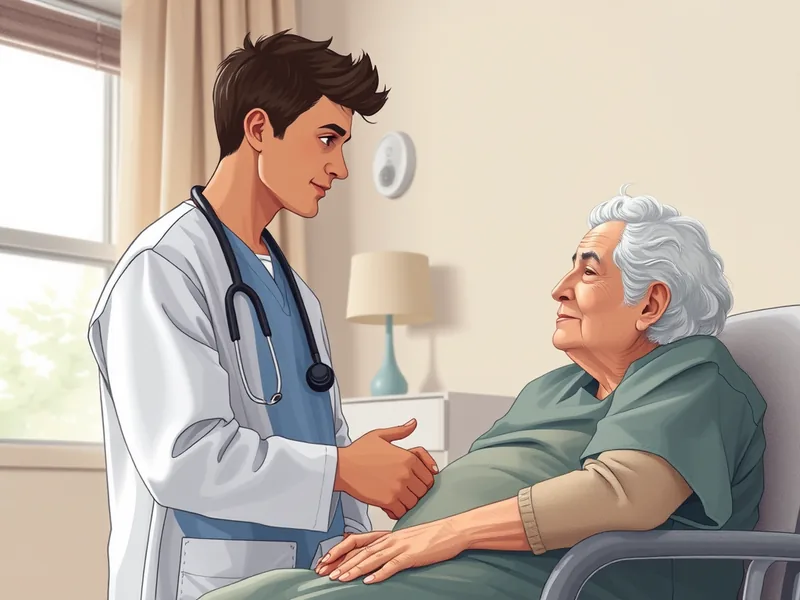
The healthcare system faces significant issues, including physician burnout, patient dissatisfaction, and a shortage of primary care providers. Gen Z doctors are uniquely positioned to tackle these problems by bringing new strategies and values to the table.
For instance, they prioritize mental health and work-life balance, which can help reduce burnout. A 2025 study published in the Journal of Medical Education found that medical students from Generation Z reported higher levels of self-care and stress management skills compared to their older counterparts. This focus on personal well-being can lead to more sustainable careers and better patient outcomes.
Gen Z doctors are tech-savvy and comfortable with telemedicine and other digital health tools. They can leverage these technologies to improve access to care, especially in underserved areas. A 2026 survey by the American Medical Association revealed that 85% of Gen Z physicians use telehealth regularly, compared to just 45% of Baby Boomer doctors.
Perhaps most importantly, they are committed to patient-centered care. They listen more actively, communicate more openly, and are more likely to involve patients in decision-making processes. This approach can lead to higher patient satisfaction and better health outcomes.
However, the transition is not without its challenges. The medical establishment, which has long valued a certain stoicism and endurance, may need to adapt to accommodate these new values. Medical schools and residency programs will have to evolve their curricula to better support the well-being of young doctors while maintaining high standards of care.
Generation Z doctors are not just the future of medicine; they are already reshaping it in meaningful ways. By embracing their strengths and addressing the challenges, we can build a healthcare system that is more resilient, compassionate, and effective for everyone.
Tags
Original Sources
Medicine thinks Gen Z is too soft. It’s wrong
↗ https://www.statnews.com/2026/07/07/gen-z-doctors-too-soft
About the author
Amara's entry point into AI was an epidemiology role at a London research hospital, where she spent five years studying how digital health tools reached — or conspicuously failed to reach — underserved communities. Watching early algorithmic systems in healthcare quietly entrench existing inequalities, she redirected her career toward the systemic consequences of AI at scale. She covers AI through an unflinching lens: who benefits, who bears the cost, and what evidence actually says versus what the press release claims. Her writing is calm and precise, but she doesn't mistake balance for neutrality.
More from The Steward →This Week's Edition
13 July 2026
34 articles
Related Articles

Arboretum LifeSciences Raises $30M to Turn Genetic Tests Into Drug Deals
Health & Science · 6 min

AI Tool Trained on Tumor Images Could Help Doctors Decide Who Needs Abiraterone for Prostate Cancer
Health & Science · 6 min

AI Can Spot Cognitive Decline Earlier. Health Systems Still Have to Catch the Patient on the Other Side
Health & Science · 6 min
Related Articles
Arboretum LifeSciences Raises $30M to Turn Genetic Tests Into Drug Deals
Health & Science · 6 min
AI Tool Trained on Tumor Images Could Help Doctors Decide Who Needs Abiraterone for Prostate Cancer
Health & Science · 6 min
AI Can Spot Cognitive Decline Earlier. Health Systems Still Have to Catch the Patient on the Other Side
Health & Science · 6 min
More Stories
© 2026 Cedar & Bloom. All rights reserved.
