The Drum · Weekly AI news, freeSubscribe →

Share
OpenAI's new system offers a significant leap in flexibility, allowing GPTs to tackle complex tasks with minimal guidance-potentially revolutionizing how academic papers are written and beyond.
In recent months, there's been a lot of buzz about AI agents-autonomous programs that can work toward specific goals with minimal human intervention. However, the technology hasn't quite caught up to the hype. Today, OpenAI released a new system that brings us closer to this vision, though it’s not quite an autonomous agent yet. Let's dive into what GPTs (Generative Pre-trained Transformers) can do and how they might be used in practical applications like writing academic papers.
OpenAI's latest release introduces a more flexible and interactive version of GPTs. These models are designed to handle complex tasks with structured prompts-essentially, plain English instructions that guide the AI through specific steps. Here’s what makes this update significant:
The process of using GPTs to write academic papers involves several steps:
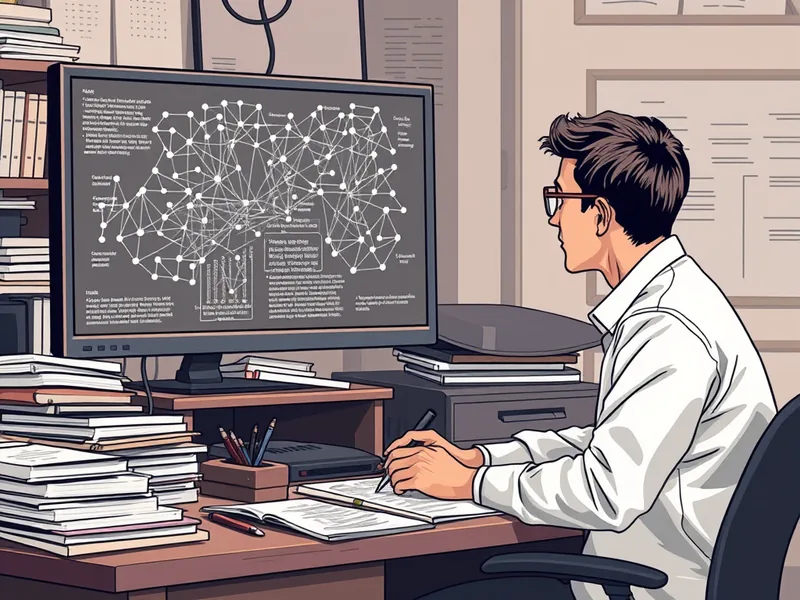
Here’s a visual representation of the process:

While GPTs are a significant step forward, they still have limitations:
GPTs are currently the easiest way to share structured prompts that can get the AI to perform useful tasks. Here’s how you can start using them:
While GPTs are not yet fully autonomous agents, they represent a significant leap forward in AI capabilities. By using structured prompts and providing occasional guidance, you can leverage these models to perform complex tasks like writing academic papers. As the technology continues to evolve, we can expect even more sophisticated and autonomous AI agents in the future.
Tags
Original Sources
About the author
Kai built ML infrastructure at a Bay Area startup before developing an obsession with transformer architectures and inference optimisation that eventually pulled him out of product work entirely. A stint at a compute research lab sharpened his instinct for what actually matters in a model release versus what is marketing. He writes from the inside — from the perspective of someone who has debugged the systems he is describing at three in the morning. He is allergic to hype and instinctively drawn to the unglamorous plumbing questions that everyone else skips over.
More from The Engineer →This Week's Edition
8 November 2023
29 articles
Related Articles

Wharton's Fourth Annual AI Survey: Most Companies See Returns, Few See Big Ones
Models & Research · 6 min

Tensormesh Launches Enterprise KV Cache Platform to Cut Redundant LLM Compute
Models & Research · 6 min

Iambic Therapeutics Raises $150 Million in IPO to Fund AI-Designed Cancer Drugs
Finance & Markets · 5 min
Related Articles
Wharton's Fourth Annual AI Survey: Most Companies See Returns, Few See Big Ones
Models & Research · 6 min
Tensormesh Launches Enterprise KV Cache Platform to Cut Redundant LLM Compute
Models & Research · 6 min
Iambic Therapeutics Raises $150 Million in IPO to Fund AI-Designed Cancer Drugs
Finance & Markets · 5 min
More Stories
© 2026 Cedar & Bloom. All rights reserved.
