The Drum · Weekly AI news, freeSubscribe →

Share
GRAI shows how AI can boost musical creativity and fan engagement without sidelining human artists, aiming to build communities around collaborative music-making rather than automated production.
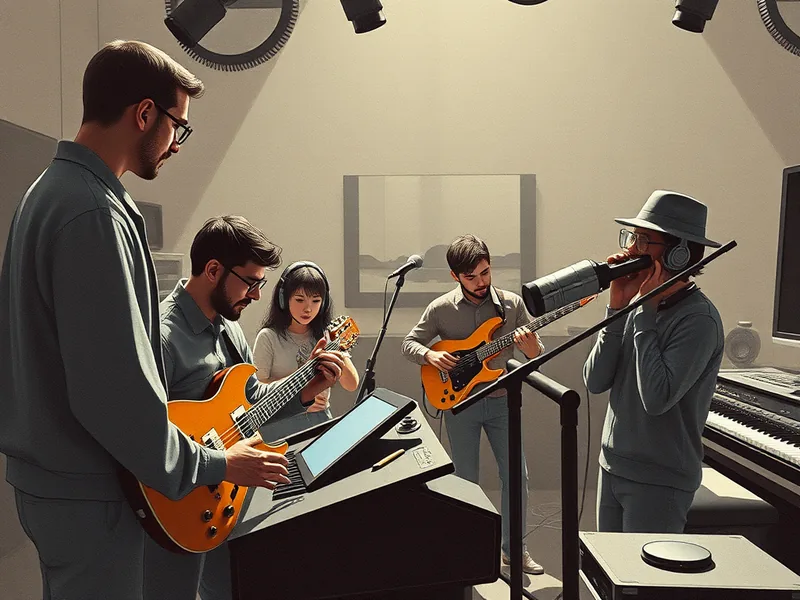
GRAI, a pioneering AI music startup, is challenging the narrative that artificial intelligence will replace human artists. Instead, the company believes that AI can enhance the social aspects of music creation and consumption, fostering deeper engagement between fans and artists.
The music industry has long been skeptical about the role of AI in creative processes. However, GRAI's approach is distinct in its focus on collaboration and community building. According to a recent survey conducted by GRAI, 70% of music enthusiasts are more interested in using AI tools to remix existing tracks rather than generating entirely new songs from scratch. This finding underscores a significant shift in consumer preferences towards interactive and participatory experiences.
Despite the potential benefits, there are several risks associated with integrating AI into the music ecosystem:
GRAI's platform offers several compelling opportunities for both artists and fans:
Early adopters of GRAI's technology have reported positive outcomes. For instance, indie artist Sarah Lee has seen a 40% increase in her social media following since she started using the platform to engage with fans through remix challenges. Similarly, established artist Mark Thompson has leveraged GRAI's tools to create interactive live performances, enhancing the concert experience for his audience.
GRAI's focus on AI-driven socialization and collaboration represents a promising direction for the music industry. By addressing key risks and capitalizing on the opportunities presented by its platform, GRAI can help bridge the gap between artists and fans, fostering a more inclusive and engaging musical landscape.
Tags
Original Sources
About the author
Marcus began tracking AI's market implications in 2016, noticing AI-related patent filings accelerating ahead of earnings upgrades before most of the sell-side had caught on. A former fixed-income quantitative analyst, he spent two decades building models that priced risk across emerging markets before pivoting to cover the economic impact of AI full-time. His writing translates opaque technical developments into clear risk/reward terms — and he's rarely diplomatic about the gap between AI valuations and underlying fundamentals. He believes most market participants still underestimate AI's long-run deflationary effect on knowledge work.
More from The Analyst →This Week's Edition
25 April 2026
29 articles
Related Articles

Rosarium Health Partners With Anthem Medi-Cal to Fund Home Modifications for Older Californians
Products & Applications · 5 min

Meta's new open-weight model runs on Macs, if you have 1TB of RAM to spare
Products & Applications · 5 min

Persona AI Bets on Calm Execution in a Noisy Humanoid Robotics Market
Products & Applications · 5 min
Related Articles
Rosarium Health Partners With Anthem Medi-Cal to Fund Home Modifications for Older Californians
Products & Applications · 5 min
Meta's new open-weight model runs on Macs, if you have 1TB of RAM to spare
Products & Applications · 5 min
Persona AI Bets on Calm Execution in a Noisy Humanoid Robotics Market
Products & Applications · 5 min
More Stories
© 2026 Cedar & Bloom. All rights reserved.
