The Drum · Weekly AI news, freeSubscribe →

Share
As artificial intelligence becomes more pervasive, we asked teens and tweens what they think about its impact on their lives and society. Their answers reveal a nuanced view of both opportunities and risks.
The future is here, and it’s powered by artificial intelligence (AI). From smart homes to self-driving cars, AI is transforming the world around us. But how do today's youth-those who will inherit this tech-driven landscape-feel about it? Are they excited by the possibilities or worried about the pitfalls?
To get a clearer picture, we went directly to the source: teens and tweens. These young individuals are not just passive observers; they are digital natives who have grown up with technology as an integral part of their lives. Their perspectives offer valuable insights into how the next generation views AI’s role in society.
One common theme emerged from our conversations: while many young people see AI as a tool that can enhance their lives, they also recognize its potential to cause harm if not managed responsibly. For example, 15-year-old Maya expressed enthusiasm about AI's ability to improve healthcare and education but raised concerns about data privacy and job displacement.
"AI could help doctors diagnose diseases faster and more accurately," Maya said. "But I worry that companies might misuse our personal information or that robots will take over jobs."
This balanced view is echoed by 13-year-old Liam, who sees AI as a double-edged sword. "On one hand, it can make things easier and more efficient," he explained. "On the other hand, it could lead to big problems if we don’t set the right rules."
The potential benefits of AI are vast. In education, personalized learning tools powered by AI can tailor lessons to individual students' needs, making learning more effective and engaging. In healthcare, AI-driven diagnostics can detect diseases early, improving treatment outcomes. Environmental monitoring systems using AI can help track climate change and develop sustainable solutions.
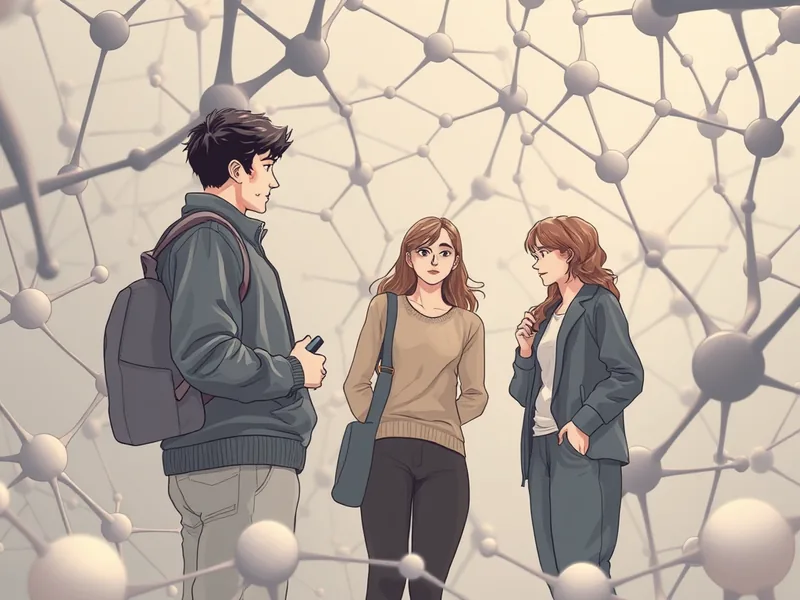
However, the risks are equally significant. Data privacy is a major concern, as AI systems often rely on vast amounts of personal information to function effectively. There’s also the fear of job displacement, with some studies suggesting that up to 40% of jobs could be automated in the next two decades. There are ethical questions around bias and fairness in AI algorithms, which can perpetuate existing social inequalities if not carefully designed.
To address these concerns, many young people advocate for better education about AI and its implications. "We need to learn more about how AI works and how it affects our lives," said 16-year-old Zoe. "Schools should teach us about the ethical issues and how to use technology responsibly."
The future of AI is not predetermined; it will be shaped by the choices we make today. Engaging young people in these discussions is crucial, as they will be the ones living with the consequences of our decisions.
As Maya put it, "We need to be part of the conversation about how AI is used and regulated. It’s our future, and we have a right to help shape it."
By fostering a more informed and inclusive dialogue around AI, we can work towards a future that leverages technology for the betterment of society while mitigating its risks. The voices of today's youth remind us that this is not just a technical challenge but a social one as well.
In the end, the promise or peril of an AI-filled future lies in our hands. By listening to and involving young people, we can ensure that technology serves the common good and creates a more equitable world for all.
Tags
Original Sources
Articles by Jen Swetzoff | MIT Technology Review
↗ https://www.technologyreview.com/author/jen-swetzoff
About the author
Amara's entry point into AI was an epidemiology role at a London research hospital, where she spent five years studying how digital health tools reached — or conspicuously failed to reach — underserved communities. Watching early algorithmic systems in healthcare quietly entrench existing inequalities, she redirected her career toward the systemic consequences of AI at scale. She covers AI through an unflinching lens: who benefits, who bears the cost, and what evidence actually says versus what the press release claims. Her writing is calm and precise, but she doesn't mistake balance for neutrality.
More from The Steward →This Week's Edition
17 August 2026
18 articles
Related Articles

A Media Executive's Open Letter to Young People on AI Tells Them: It's Not Too Late
Job Market & Society · 6 min

Twenty-Five Years After the Anthrax Letters, the Lessons Are More Urgent Than Ever
Security & Risk · 5 min
DARPA's Robotic Repair Mission Aims to Service Satellites 22,000 Miles Up
Products & Applications · 5 min
Related Articles
A Media Executive's Open Letter to Young People on AI Tells Them: It's Not Too Late
Job Market & Society · 6 min
Twenty-Five Years After the Anthrax Letters, the Lessons Are More Urgent Than Ever
Security & Risk · 5 min
DARPA's Robotic Repair Mission Aims to Service Satellites 22,000 Miles Up
Products & Applications · 5 min
More Stories
© 2026 Cedar & Bloom. All rights reserved.
