The Drum · Weekly AI news, freeSubscribe →

Share
While celebrations honor nurses, modernizing hospital communication systems is essential to boost their daily satisfaction and productivity, crucial for delivering top-notch patient care.
As National Nurses Week (May 6-12) approaches, health systems across the country are planning various events to show their appreciation for nurses. From team lunches and awards ceremonies to professional development opportunities, these gestures aim to highlight the indispensable role that nurses play in patient care. This year’s theme, “The Power of Nurses,” underscores just how crucial they are. However, while these celebrations are well-intentioned, they won’t make a lasting impact unless hospitals address the day-to-day challenges that nurses face.
One of the most significant and often overlooked issues is the state of hospital communication. The recent massive nursing strike in New York City drew national attention to the broader crisis facing the nursing workforce, including staffing shortages, compensation battles, and widespread burnout. But there’s another critical problem that can be addressed more immediately: outdated communication systems are making nurses’ jobs harder every shift.
Nurses are constantly on the move, juggling multiple patients, units, emergencies, and shifting priorities. In this fast-paced environment, timely and accurate information is essential. Unfortunately, many hospitals still rely on outdated communication methods that fail to meet these needs. Messages often arrive late, buried in long updates, or disconnected from what’s happening on the floor.
The result is a significant time drain as nurses must track down critical updates, leading to increased friction in their workflows and less time for patient care. A recent survey found that one in nine hospital nurses have learned about policy or procedural changes only after those changes went into effect. These delays can have serious consequences, impacting everything from patient safety to compliance and nurse well-being.
The volume of communication continues to grow, with updates coming through multiple channels at all hours and with varying levels of importance. Nurses are left to sort through what matters most while managing patient needs, often leading to important information being skimmed, delayed, or missed entirely.
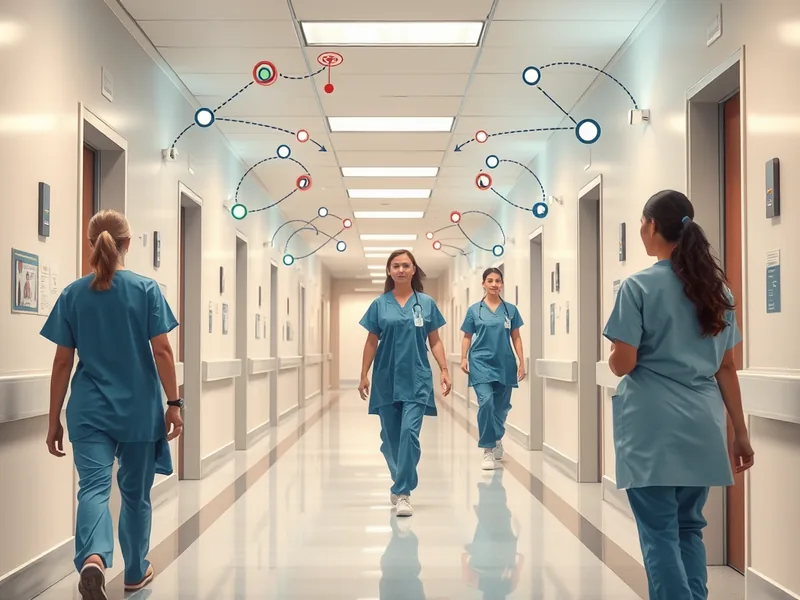
When critical updates come too late, the consequences can be dire. For instance, a change in medication protocol or a shift in staffing arrangements that isn’t communicated effectively can lead to errors in care, increased patient risk, and unnecessary stress for nurses. This not only affects the quality of care but also contributes to the burnout that is already a significant issue in the nursing profession.
Moreover, the constant struggle with outdated communication systems can erode job satisfaction and morale. Nurses are passionate about their work and want to provide the best possible care, but when they feel unsupported by the hospital’s infrastructure, it can lead to frustration and disengagement. This, in turn, can result in higher turnover rates, further exacerbating the staffing shortages that many hospitals are already grappling with.
Improving communication systems is not just a technical fix; it’s a crucial step towards creating a more supportive and efficient work environment for nurses. By investing in modern digital tools and platforms that facilitate real-time, relevant, and actionable information, hospitals can help their nursing staff focus on what they do best: providing compassionate and high-quality care to patients.
In the end, showing appreciation for nurses goes beyond just recognizing them during National Nurses Week. It’s about making meaningful changes that improve their day-to-day experience and ensure they have the tools and support they need to excel in their roles. By addressing the hidden but fixable problem of hospital communication, we can make a significant difference in the lives of nurses and the patients they serve.
Tags
Original Sources
Want to Show Your Nurses Appreciation? Fix Your Hospital Communications - MedCity News
↗ https://medcitynews.com/2026/05/want-to-show-your-nurses-appreciation-fix-your-hospital-communications
About the author
Amara's entry point into AI was an epidemiology role at a London research hospital, where she spent five years studying how digital health tools reached — or conspicuously failed to reach — underserved communities. Watching early algorithmic systems in healthcare quietly entrench existing inequalities, she redirected her career toward the systemic consequences of AI at scale. She covers AI through an unflinching lens: who benefits, who bears the cost, and what evidence actually says versus what the press release claims. Her writing is calm and precise, but she doesn't mistake balance for neutrality.
More from The Steward →This Week's Edition
7 May 2026
29 articles
Related Articles

Ottawa Expands AI Funding for Northern Ontario Businesses, Aims to Close the Regional Tech Gap
Job Market & Society · 6 min

AI Is Lowering the Cost of Starting a Business. It's Not Lowering the Cost of Running One.
Job Market & Society · 6 min

Iambic Therapeutics Raises $150 Million in IPO to Fund AI-Designed Cancer Drugs
Finance & Markets · 5 min
Related Articles
Ottawa Expands AI Funding for Northern Ontario Businesses, Aims to Close the Regional Tech Gap
Job Market & Society · 6 min
AI Is Lowering the Cost of Starting a Business. It's Not Lowering the Cost of Running One.
Job Market & Society · 6 min
Iambic Therapeutics Raises $150 Million in IPO to Fund AI-Designed Cancer Drugs
Finance & Markets · 5 min
More Stories
© 2026 Cedar & Bloom. All rights reserved.
