The Drum · Weekly AI news, freeSubscribe →

Share
By seamlessly integrating CardioMEMS data into their EHR system, Kettering Health slashes clinician workload and enhances patient care for those with heart failure implants, marking a significant leap in operational efficiency.
Kettering Health, an Ohio-based health system, has made significant strides in improving the care of heart failure patients who have received CardioMEMS implants. This innovative wireless sensor monitors pulmonary artery pressure and is a crucial tool for preventing hospital readmissions. However, while the clinical benefits were evident, the operational challenges were substantial. Kettering Health addressed these issues by integrating the CardioMEMS data into its electronic health record (EHR) system, powered by Epic. The result has been a 77% reduction in the time clinicians spend on post-implant activities.
Heart failure is a chronic condition that affects millions of Americans and can lead to frequent hospitalizations. For patients with CardioMEMS implants, continuous monitoring of pulmonary artery pressure is essential for managing their condition effectively. However, the process of collecting and acting on this data was cumbersome and time-consuming, often leading to delays in care.
Jody Underwood, NP, Kettering Health's executive director of population health, explains the initial challenges: "Before the integration, our advanced practice providers (APPs) and registered nurses had to juggle multiple systems. They would check pulmonary artery pressure readings in Abbott’s Merlin platform, switch over to the EHR for medication history and documentation, and then call the patient to gather more information. There was no single place where a clinician could access all the necessary data."
To streamline this process, Kettering Health partnered with Epic to integrate the CardioMEMS data directly into their EHR system. This integration means that all relevant information-pulmonary artery pressure readings, medication history, and patient updates-is now available in one place.
"By integrating the CardioMEMS data into our EHR, we’ve significantly reduced the time clinicians spend on post-implant activities," Underwood said. "This has allowed our care teams to focus more on patient interactions and less on administrative tasks."
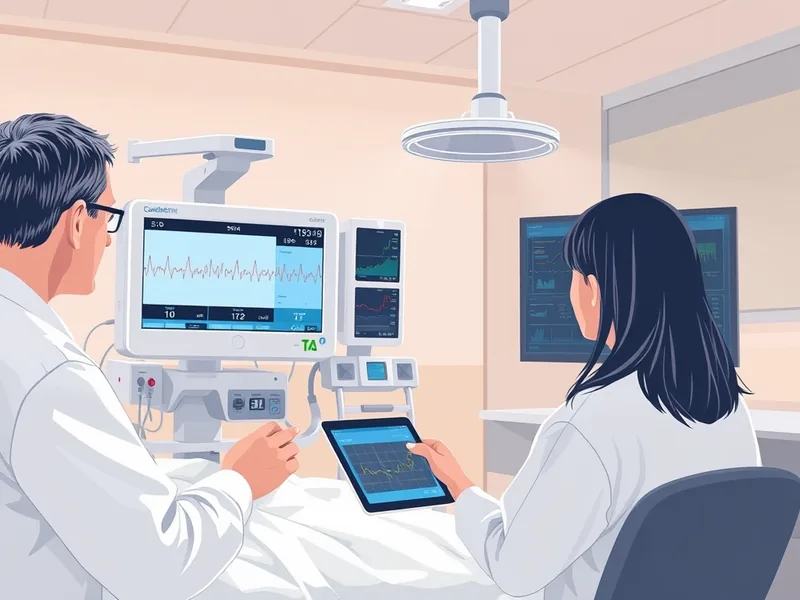
The integration has not only improved efficiency but also enhanced the quality of care. Clinicians can now make more informed decisions in real-time, leading to better management of heart failure symptoms and a reduced risk of hospital readmissions.
For patients, this means fewer delays in receiving necessary adjustments to their treatment plans. The streamlined process ensures that any changes in pulmonary artery pressure are quickly identified and addressed, potentially preventing the need for hospitalization.
The success of this integration at Kettering Health has broader implications for the healthcare industry. It demonstrates how technology can be harnessed to improve patient outcomes while reducing the burden on healthcare providers. As more health systems adopt similar integrations, we can expect to see a shift towards more efficient and effective care models.
However, it's important to note that such integrations require significant planning and collaboration between different stakeholders, including IT teams, clinical staff, and EHR vendors. Kettering Health’s experience highlights the importance of a well-coordinated approach to ensure that these technological advancements translate into tangible benefits for patients and providers alike.
The integration of CardioMEMS data into Kettering Health's EHR system is a prime example of how technology can be used to enhance patient care. By reducing administrative burdens and improving clinical decision-making, this integration has not only made life easier for healthcare providers but also improved outcomes for heart failure patients. As the healthcare industry continues to evolve, such innovations will play a crucial role in shaping the future of patient care.
Tags
Original Sources
About the author
Amara's entry point into AI was an epidemiology role at a London research hospital, where she spent five years studying how digital health tools reached — or conspicuously failed to reach — underserved communities. Watching early algorithmic systems in healthcare quietly entrench existing inequalities, she redirected her career toward the systemic consequences of AI at scale. She covers AI through an unflinching lens: who benefits, who bears the cost, and what evidence actually says versus what the press release claims. Her writing is calm and precise, but she doesn't mistake balance for neutrality.
More from The Steward →This Week's Edition
30 April 2026
29 articles
Related Articles

Rosarium Health Partners With Anthem Medi-Cal to Fund Home Modifications for Older Californians
Products & Applications · 5 min

Meta's new open-weight model runs on Macs, if you have 1TB of RAM to spare
Products & Applications · 5 min

Persona AI Bets on Calm Execution in a Noisy Humanoid Robotics Market
Products & Applications · 5 min
Related Articles
Rosarium Health Partners With Anthem Medi-Cal to Fund Home Modifications for Older Californians
Products & Applications · 5 min
Meta's new open-weight model runs on Macs, if you have 1TB of RAM to spare
Products & Applications · 5 min
Persona AI Bets on Calm Execution in a Noisy Humanoid Robotics Market
Products & Applications · 5 min
More Stories
© 2026 Cedar & Bloom. All rights reserved.
