The Drum · Weekly AI news, freeSubscribe →

Share
With a $20 million investment, Louisiana is leading the charge in rural health innovation, aiming to transform healthcare access and outcomes through technology.
In Bogalusa, Louisiana, a town known more for its timber industry than tech startups, a new initiative is set to change that. The Rural Tech Catalyst Fund (RTCF), launched under the federal Rural Health Transformation Program, aims to bring cutting-edge technology to rural healthcare providers and spur the growth of local tech companies. This innovative approach could redefine how rural communities access and benefit from healthcare.
Eight states have established RTCFs with funds allocated through the federal program, but Louisiana is at the forefront, thanks to a unique partnership between the Louisiana Innovation Office (LAIO) and the Louisiana Department of Health (LDH). The state is expected to announce the first recipients of $20 million in funding next month, setting the stage for a series of healthcare technology pilots, patient-facing tech solutions, and workforce initiatives.
Josh Fleig, chief innovation officer at LAIO, credits the internal collaboration as a key differentiator. "Our partnership with LDH has allowed us to create a robust application process and scoring rubric that ensures we invest in technologies that will truly make a difference for rural communities," he says.
The RTCF is part of a broader effort to address the unique challenges faced by rural healthcare providers, such as limited resources, workforce shortages, and geographical barriers. By investing in tech startups, Louisiana aims to develop solutions that can improve access to care, enhance patient outcomes, and foster economic growth.
Julia Foster Hagan, executive director of LDH, explains that the state received around 200 applications for the first funding round, which opened in May and closed in June. "We are reviewing these applications rigorously to select projects that align with our rural healthcare goals," she says. The final selections will be submitted to the U.S. Centers for Medicare & Medicaid Services (CMS) about 15 days before the state announces its first RTCF awardees.
The RTCF's impact extends beyond just funding startups. It is designed to create a supportive ecosystem that encourages innovation and collaboration among healthcare providers, tech developers, and community stakeholders. This holistic approach is crucial for addressing the complex challenges of rural health.
One of the key areas of focus is telehealth, which has become increasingly important during the pandemic. "Telehealth can bridge the gap between rural patients and specialists located in urban areas," says Fleig. "By investing in telehealth platforms and supporting their adoption, we can ensure that rural residents have access to high-quality care without the need for long travel times."
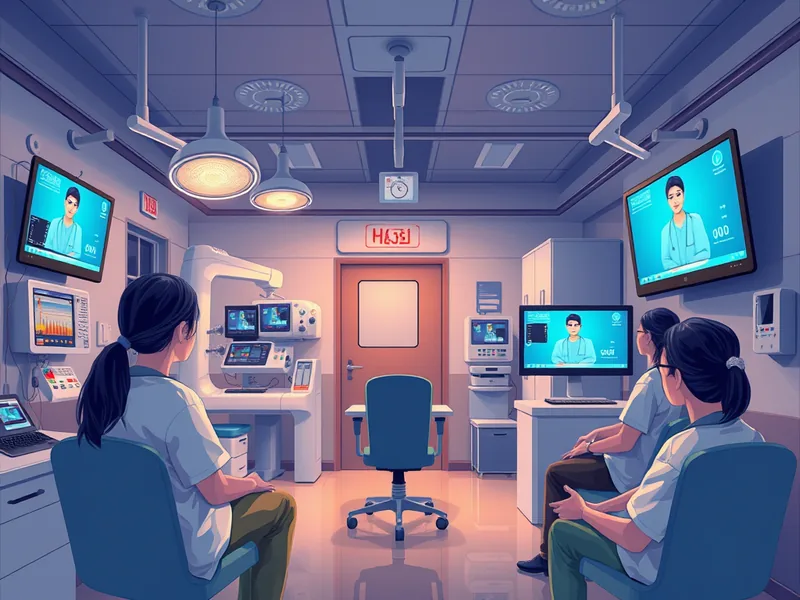
Another focus area is data analytics and health informatics. With better data management tools, healthcare providers can make more informed decisions, improve patient outcomes, and reduce costs. "Data-driven insights can help us identify trends, predict health issues, and intervene early," adds Hagan.
The RTCF also aims to foster workforce initiatives that train and retain healthcare professionals in rural areas. This includes supporting educational programs, offering career development opportunities, and creating incentives for providers to stay in these communities. By addressing the workforce shortage, Louisiana hopes to build a sustainable healthcare system that meets the needs of its rural population.
The success of the RTCF will depend on how effectively it can translate funding into tangible results. Over the next five years, the program will continue to allocate $20 million annually, with the potential for additional state funds to support related initiatives. This ongoing investment is crucial for maintaining momentum and achieving long-term goals.
Year two funding opens in October, and there are likely to be some multi-year projects that will benefit from sustained support. "We are committed to building a strong foundation for rural health innovation," says Fleig. "This means not only funding promising startups but also creating an environment where these innovations can thrive."
As Louisiana moves forward with the RTCF, other states are watching closely. The lessons learned and best practices developed in Louisiana could serve as a model for similar initiatives across the country. By focusing on the unique needs of rural communities and leveraging technology to address those needs, the RTCF has the potential to transform healthcare access and outcomes for millions of Americans.
The future of rural health innovation is bright, and with the right investments and collaborations, it can become a reality in communities like Bogalusa and beyond.
Tags
Original Sources
Louisiana fires up rural health innovation with new federal funding
↗ https://www.healthcareitnews.com/news/louisiana-fires-rural-health-innovation-new-federal-funding
About the author
Amara's entry point into AI was an epidemiology role at a London research hospital, where she spent five years studying how digital health tools reached — or conspicuously failed to reach — underserved communities. Watching early algorithmic systems in healthcare quietly entrench existing inequalities, she redirected her career toward the systemic consequences of AI at scale. She covers AI through an unflinching lens: who benefits, who bears the cost, and what evidence actually says versus what the press release claims. Her writing is calm and precise, but she doesn't mistake balance for neutrality.
More from The Steward →This Week's Edition
17 August 2026
113 articles
Related Articles
Related Articles
More Stories
© 2026 Cedar & Bloom. All rights reserved.