The Drum · Weekly AI news, freeSubscribe →
Share
Madrid tackles driver shortages and traffic woes with its first driverless electric bus, aiming to revolutionize urban transit while cutting emissions and enhancing air quality.
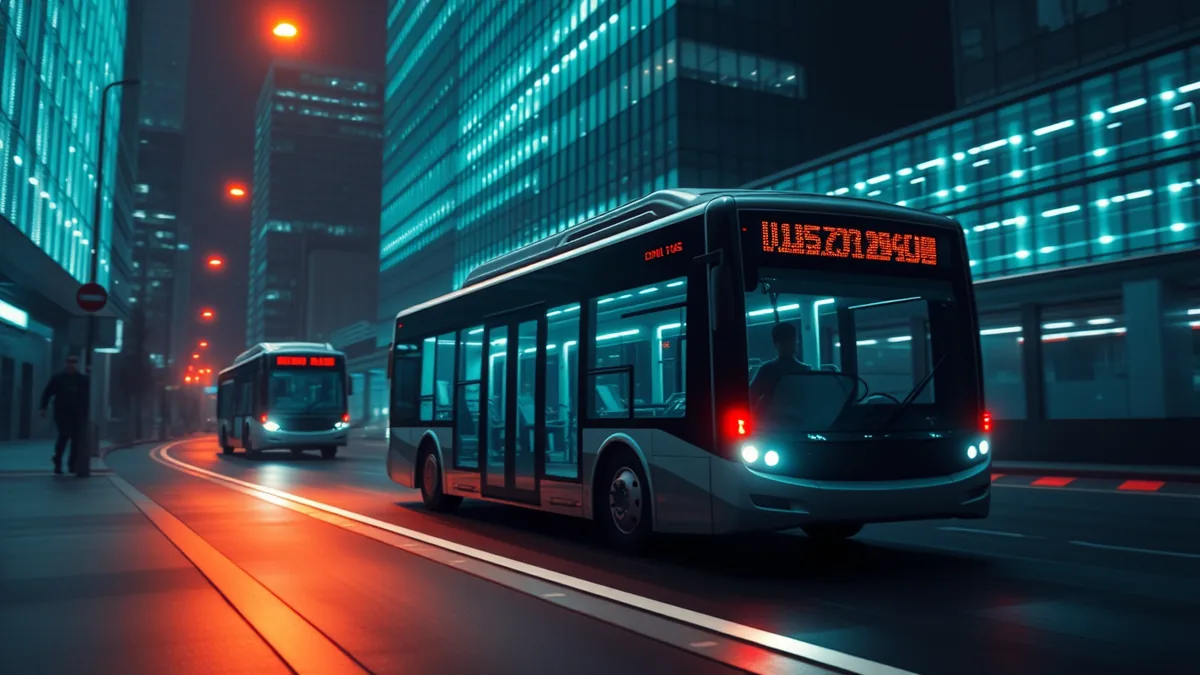
In a significant step toward sustainable urban mobility, Madrid has introduced its first driverless electric bus. The pilot project aims to address two pressing issues in the city: chronic driver shortages and traffic congestion. This innovative solution not only promises to ease daily commutes but also aligns with Madrid's broader goals of reducing carbon emissions and improving air quality.
The new bus is part of a larger initiative by the Madrid City Council to modernize public transportation. It operates on a designated route in the city, using advanced autonomous technology to navigate safely through busy streets. The vehicle is fully electric, contributing to the reduction of noise pollution and greenhouse gas emissions associated with traditional diesel buses.
The shortage of qualified bus drivers has been a persistent challenge for public transportation systems worldwide. In Madrid, this issue has led to service disruptions and longer wait times for passengers. By deploying driverless buses, the city hopes to stabilize its transit network and ensure more reliable service.
"Introducing autonomous vehicles is not just about cutting costs," said Ana Botella, Mayor of Madrid. "It's about enhancing our public transport system and providing a better experience for our residents and visitors."
Traffic congestion in Madrid has long been a source of frustration for commuters and a significant contributor to air pollution. The driverless electric bus is designed to operate more efficiently than human-driven vehicles, potentially reducing the number of buses needed on the road and easing traffic flow.
"Autonomous technology allows us to optimize routes and schedules, which can lead to fewer buses on the streets without compromising service quality," explained Ignacio Barrenechea, Head of Public Transport in Madrid. "This is a win-win for both the environment and our citizens."
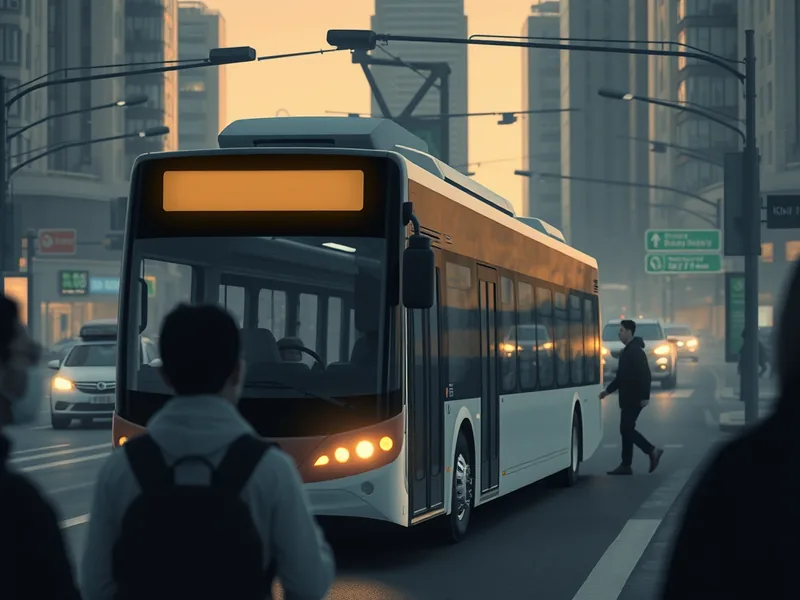
Safety is a paramount concern when it comes to autonomous vehicles. The bus is equipped with an array of sensors, including lidar, radar, and cameras, which work together to detect obstacles and pedestrians. In case of any malfunction, there is always a human operator on board who can take control if necessary.
"The technology has been rigorously tested in controlled environments," said Dr. Maria Gonzalez, a transportation safety expert at the University of Madrid. "While no system is foolproof, these buses have demonstrated a high level of reliability and safety."
The initial response from the public has been largely positive. Many residents are excited about the prospect of more efficient and environmentally friendly public transport.
"I think it's great that Madrid is embracing new technology to solve old problems," said Luisa Fernandez, a frequent bus rider. "It gives me confidence that the city is looking out for our well-being."
However, some remain cautious. "I'm happy they're testing this in a controlled way, but I'll need more time to feel completely comfortable with driverless buses," said Carlos Martinez, another commuter.
The success of this pilot program could pave the way for wider adoption of autonomous electric buses across Madrid and other cities. The city council is already planning to expand the route and introduce additional vehicles in the coming months.
"Madrid is committed to leading the transition to sustainable urban mobility," Mayor Botella emphasized. "We believe that technology can play a crucial role in making our city more livable for everyone."
As Madrid continues to innovate, it sets an example for other cities facing similar challenges. The integration of driverless electric buses could be a key component in achieving a more efficient, sustainable, and equitable public transportation system.
Tags
Original Sources
About the author
Amara's entry point into AI was an epidemiology role at a London research hospital, where she spent five years studying how digital health tools reached — or conspicuously failed to reach — underserved communities. Watching early algorithmic systems in healthcare quietly entrench existing inequalities, she redirected her career toward the systemic consequences of AI at scale. She covers AI through an unflinching lens: who benefits, who bears the cost, and what evidence actually says versus what the press release claims. Her writing is calm and precise, but she doesn't mistake balance for neutrality.
More from The Steward →This Week's Edition
29 April 2026
29 articles
Related Articles

Rosarium Health Partners With Anthem Medi-Cal to Fund Home Modifications for Older Californians
Products & Applications · 5 min

Meta's new open-weight model runs on Macs, if you have 1TB of RAM to spare
Products & Applications · 5 min

Persona AI Bets on Calm Execution in a Noisy Humanoid Robotics Market
Products & Applications · 5 min
Related Articles
Rosarium Health Partners With Anthem Medi-Cal to Fund Home Modifications for Older Californians
Products & Applications · 5 min
Meta's new open-weight model runs on Macs, if you have 1TB of RAM to spare
Products & Applications · 5 min
Persona AI Bets on Calm Execution in a Noisy Humanoid Robotics Market
Products & Applications · 5 min
More Stories
© 2026 Cedar & Bloom. All rights reserved.
