The Drum · Weekly AI news, freeSubscribe →

Share
As AI becomes more human-like, it triggers a psychological response known as the uncanny valley, raising ethical questions about the future of human-AI interaction and product design.
In an age where artificial intelligence (AI) is increasingly integrated into our daily lives, one phenomenon stands out as both fascinating and unsettling: the uncanny valley. Coined by Japanese roboticist Masahiro Mori in 1970, the uncanny valley describes the feeling of revulsion or discomfort people experience when they encounter robots or AI that closely resemble humans but fall short of perfect mimicry. This issue is not just a matter of aesthetics; it has significant implications for how we design and interact with consumer products, particularly those in robotics and AI.
The uncanny valley is more than just a quirky psychological quirk. It raises important questions about ethics, human psychology, and the future of human-AI interactions. As AI becomes more sophisticated and ubiquitous, understanding and addressing the uncanny valley is crucial for ensuring that these technologies are accepted and beneficial to society.
To bridge the uncanny valley, designers and engineers must navigate a delicate balance between creating AI that is relatable and one that does not evoke discomfort. One approach is to focus on features that enhance emotional connection without striving for perfect human likeness. For example, robots designed with exaggerated or simplified features can often be more appealing and less unsettling than those that aim for hyper-realism.
Consider the case of social robots like Jibo, a home robot designed to assist with tasks such as scheduling and entertainment. Jibo's design eschews realistic human features in favor of a cute, cartoonish appearance. This approach not only makes it more approachable but also helps users form positive emotional connections without triggering the uncanny valley effect.
Another strategy is to focus on functional rather than aesthetic realism. For instance, robots used in healthcare settings can be designed to provide comfort and support through their actions and interactions, even if they don't look human. The Paro therapeutic robot, which resembles a baby harp seal, has been shown to reduce stress and improve the mood of patients with dementia. By focusing on the emotional and functional benefits rather than physical resemblance, these robots can effectively serve their intended purpose without causing discomfort.
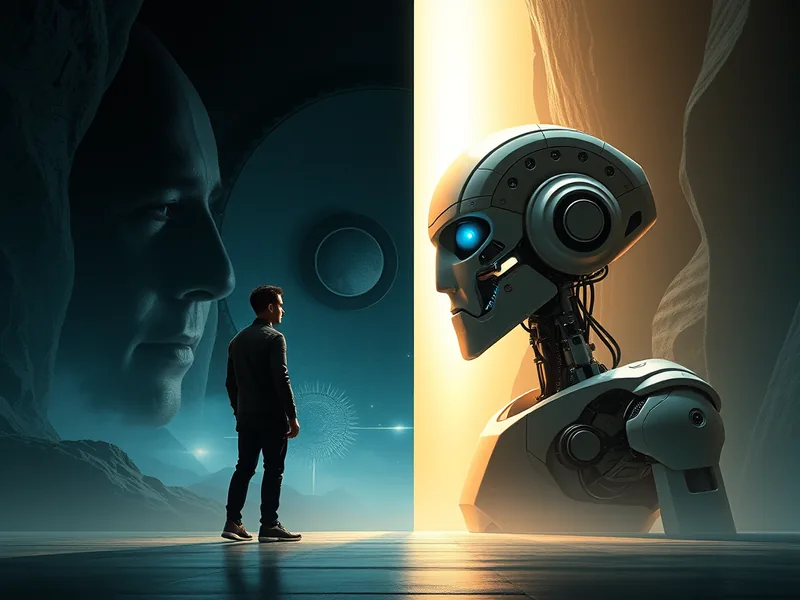
As AI and robotics continue to evolve, the uncanny valley will remain a critical consideration for designers and engineers. The key to overcoming this challenge lies in a deeper understanding of human psychology and the development of design principles that prioritize user comfort and emotional well-being.
One promising area of research is the use of machine learning to create more adaptive and responsive AI systems. By training robots to recognize and respond to human emotions, designers can create interactions that feel natural and intuitive, reducing the likelihood of triggering the uncanny valley effect. For example, affective computing, a field focused on developing systems that can understand and respond to human emotions, is showing promise in creating more empathetic AI.
Additionally, involving diverse groups of users in the design process can help ensure that AI products are inclusive and meet the needs of a wide range of people. User feedback and testing are essential for identifying potential issues and refining designs to minimize discomfort and maximize usability.
Ultimately, the goal is not just to create AI that looks human but to develop technologies that enhance our lives in meaningful ways. By addressing the uncanny valley and other ethical considerations, we can ensure that AI and robotics contribute positively to society, fostering trust and acceptance among users.
In a world where technology is increasingly intertwined with our daily lives, the uncanny valley serves as a reminder of the importance of human-centered design. As we continue to push the boundaries of what AI can do, let's also prioritize how it makes us feel.
Tags
Original Sources
Ode to the Uncanny Valley
↗ https://spectrum.ieee.org/ode-to-the-uncanny-valley/particle-17
About the author
Amara's entry point into AI was an epidemiology role at a London research hospital, where she spent five years studying how digital health tools reached — or conspicuously failed to reach — underserved communities. Watching early algorithmic systems in healthcare quietly entrench existing inequalities, she redirected her career toward the systemic consequences of AI at scale. She covers AI through an unflinching lens: who benefits, who bears the cost, and what evidence actually says versus what the press release claims. Her writing is calm and precise, but she doesn't mistake balance for neutrality.
More from The Steward →This Week's Edition
7 May 2026
29 articles
Related Articles

Rosarium Health Partners With Anthem Medi-Cal to Fund Home Modifications for Older Californians
Products & Applications · 5 min

Meta's new open-weight model runs on Macs, if you have 1TB of RAM to spare
Products & Applications · 5 min

Persona AI Bets on Calm Execution in a Noisy Humanoid Robotics Market
Products & Applications · 5 min
Related Articles
Rosarium Health Partners With Anthem Medi-Cal to Fund Home Modifications for Older Californians
Products & Applications · 5 min
Meta's new open-weight model runs on Macs, if you have 1TB of RAM to spare
Products & Applications · 5 min
Persona AI Bets on Calm Execution in a Noisy Humanoid Robotics Market
Products & Applications · 5 min
More Stories
© 2026 Cedar & Bloom. All rights reserved.
