The Drum · Weekly AI news, freeSubscribe →
Share
As scientists refine their ability to edit human embryos with greater precision, the ethical and societal implications of this technology are once again under intense scrutiny.
In a world where medical advancements often outpace our moral frameworks, a recent breakthrough in embryo editing has reignited discussions about the future of genetic manipulation. Scientists have used an advanced form of CRISPR called base editing to study early human development more accurately. The research, published in Nature, suggests that this newer technique is gentler and avoids some of the safety concerns associated with earlier methods. However, it also highlights a significant challenge: the frequent creation of mosaic embryos, which contain both edited and unedited cells.
The implications are profound. On one hand, base editing could pave the way for preventing genetic diseases before they even begin. On the other, it raises ethical questions about designer babies and the potential for exacerbating social inequalities. This technology is not just a scientific marvel; it's a societal crossroads that demands careful consideration.
Base editing represents a significant leap forward in CRISPR technology. Unlike traditional CRISPR-Cas9, which cuts both strands of DNA to make edits, base editors work by chemically converting one DNA base into another without breaking the DNA strand. This makes the process more precise and less likely to cause unintended mutations or chromosome damage.
In this study, researchers used base editing on early human embryos to explore how specific genes function during the initial stages of development. The goal was to gain a deeper understanding of genetic processes that could inform future treatments for inherited diseases. While the technique showed promise in avoiding the chromosomal abnormalities often associated with CRISPR-Cas9, it still resulted in mosaic embryos.
Mosaicism occurs when an embryo contains both edited and unedited cells, which can complicate efforts to ensure consistent genetic changes across all cells. This is a critical issue for therapeutic applications, as mosaicism could lead to incomplete treatment or unintended side effects.
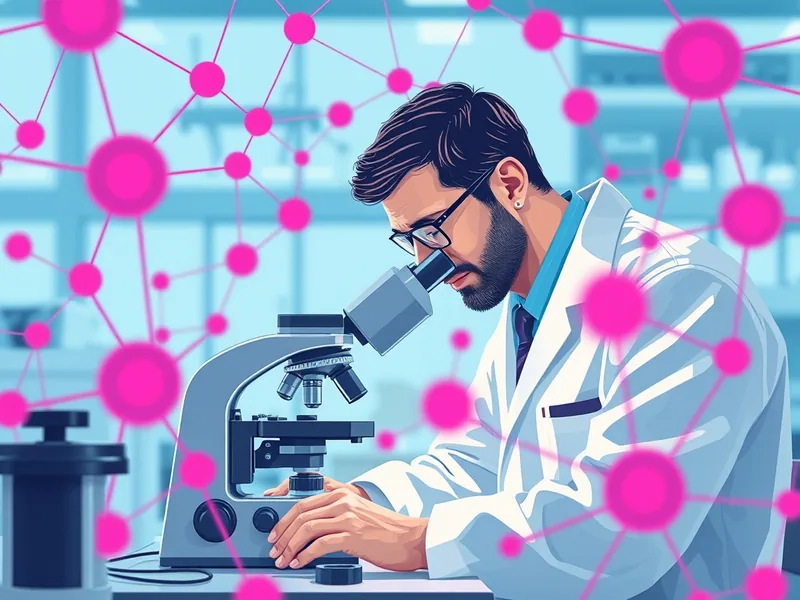
The ethical debates surrounding embryo editing are far from settled. While the scientific community continues to push the boundaries of what's possible, policymakers and ethicists must grapple with the broader implications. Key questions include:
The path forward is complex. It requires a balanced approach that promotes scientific innovation while addressing ethical concerns. Policymakers need to develop regulations that are flexible enough to adapt to new discoveries but robust enough to protect against misuse.
As we stand at this crossroads, it's crucial to remember that the decisions we make today will shape the future of human health and society. The conversation must continue, with all stakeholders at the table, to ensure that the benefits of embryo editing are realized without compromising our ethical principles.
Tags
Original Sources
Embryo editing advances reignite ethical debates
↗ https://www.statnews.com/2026/06/26/biotech-news-embryo-editing-advances-reignite-ethics-debates
About the author
Amara's entry point into AI was an epidemiology role at a London research hospital, where she spent five years studying how digital health tools reached — or conspicuously failed to reach — underserved communities. Watching early algorithmic systems in healthcare quietly entrench existing inequalities, she redirected her career toward the systemic consequences of AI at scale. She covers AI through an unflinching lens: who benefits, who bears the cost, and what evidence actually says versus what the press release claims. Her writing is calm and precise, but she doesn't mistake balance for neutrality.
More from The Steward →This Week's Edition
6 July 2026
28 articles
Related Articles
Blue Shield of California Signals Commercial Expansion of Medicare's ACCESS Chronic Care Model
Health & Science · 5 min
HHS Directs Nearly $250 Million Toward Addiction Treatment and Overdose Prevention
Health & Science · 5 min

UVM Wins $38 Million to Build AI Digital Twins for ICU Patients
Health & Science · 6 min
Related Articles
Blue Shield of California Signals Commercial Expansion of Medicare's ACCESS Chronic Care Model
Health & Science · 5 min
HHS Directs Nearly $250 Million Toward Addiction Treatment and Overdose Prevention
Health & Science · 5 min
UVM Wins $38 Million to Build AI Digital Twins for ICU Patients
Health & Science · 6 min
More Stories
© 2026 Cedar & Bloom. All rights reserved.
