The Drum · Weekly AI news, freeSubscribe →

Share
Huang outlined Nvidia's plans to stay ahead in the AI race, addressing shareholder concerns as the company's valuation surpassed $3 trillion, making it briefly the world’s most valuable public firm.
Nvidia CEO Jensen Huang addressed shareholders at the company’s annual meeting, reflecting on a historic year of growth and outlining strategies to maintain market leadership in artificial intelligence (AI) chips. The meeting comes after Nvidia’s stock surged more than 200% over the past year, pushing the company's valuation above $3 trillion and briefly making it the most valuable public company.
Nvidia’s success in the AI chip market has been unprecedented, driven by a strategic focus on AI investments and a robust engineering team. The stock split of 10-for-1 further underscored the company’s dominance and investor confidence. However, rising competition from both established chipmakers and startups poses significant challenges that Huang had to address.
Despite Nvidia's current market leadership, several risks loom on the horizon:
Huang emphasized several strategic initiatives to capitalize on the opportunities presented by the growing AI market:
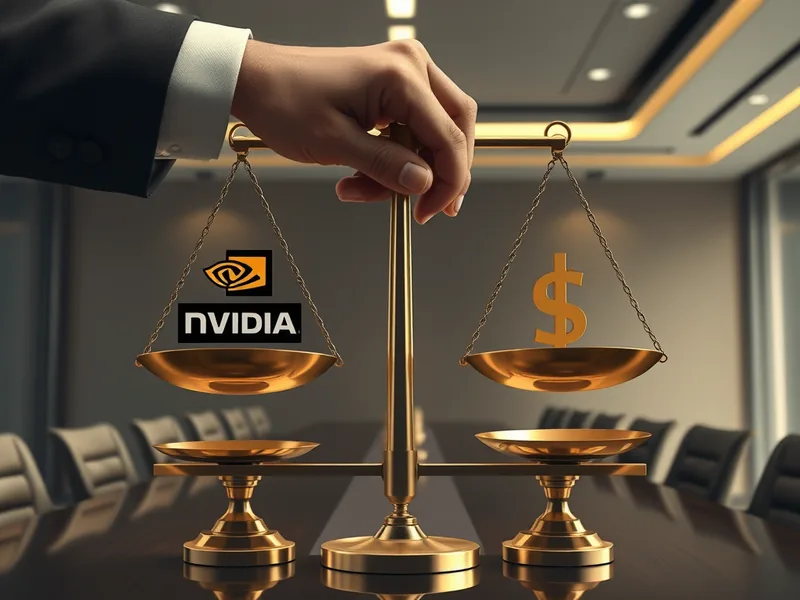
During the Q&A session, Huang was asked about the company's competition. Without naming specific competitors, he outlined Nvidia’s strategy:
Nvidia shares fell more than 1% in trading on Wednesday, despite the overall positive sentiment surrounding the company. This slight dip could be attributed to profit-taking by investors following the recent surge and anticipation of increased competition.
Nvidia’s strategic focus on data centers, new markets, and robust partnerships positions it well to maintain its leadership in the AI chip market. However, the company must remain vigilant against intensifying competition and technological changes that could disrupt its position. As Huang emphasized, Nvidia’s long-term vision and commitment to innovation will be crucial in navigating these challenges.
Tags
Original Sources
About the author
Marcus began tracking AI's market implications in 2016, noticing AI-related patent filings accelerating ahead of earnings upgrades before most of the sell-side had caught on. A former fixed-income quantitative analyst, he spent two decades building models that priced risk across emerging markets before pivoting to cover the economic impact of AI full-time. His writing translates opaque technical developments into clear risk/reward terms — and he's rarely diplomatic about the gap between AI valuations and underlying fundamentals. He believes most market participants still underestimate AI's long-run deflationary effect on knowledge work.
More from The Analyst →This Week's Edition
4 July 2024
29 articles
Related Articles
Related Articles
More Stories
© 2026 Cedar & Bloom. All rights reserved.