The Drum · Weekly AI news, freeSubscribe →
Share
Nvidia's pause in H20 chip production underscores escalating US-China tech tensions, as Beijing's security concerns force local firms to cut ties with American semiconductor giants like Nvidia.
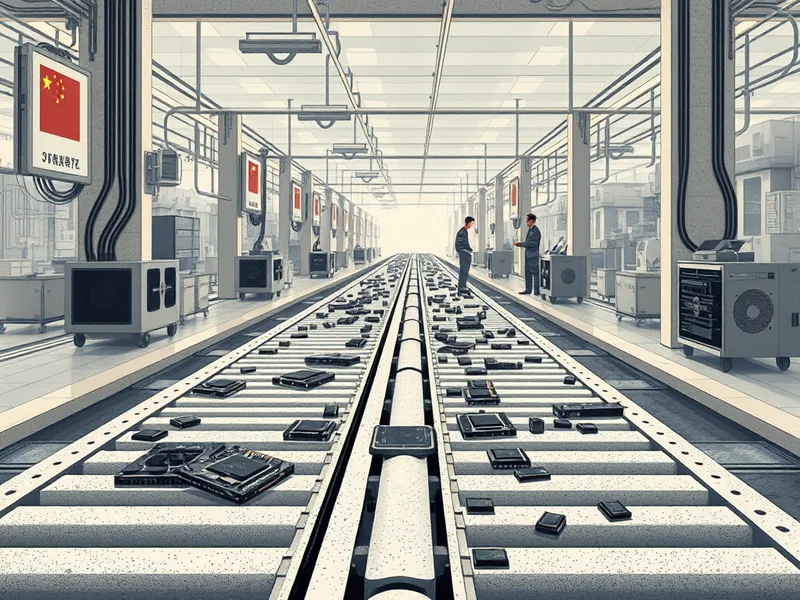
Nvidia, a leading semiconductor company, has instructed several of its component suppliers to halt production related to its H20 graphics processing units (GPUs) destined for the Chinese market. This decision follows recent directives from the Chinese government, which reportedly advised local tech companies to cease purchasing these chips due to alleged security concerns.
The move by Nvidia highlights the growing tensions between the United States and China over technology and cybersecurity. The H20 GPUs are specifically designed for the Chinese market and are a significant part of Nvidia's revenue stream in the region. Halting production could have far-reaching implications for both Nvidia's financial performance and the broader tech industry.
In response to inquiries from CNBC, an Nvidia spokesperson stated, "We constantly manage our supply chain to address market conditions." The company did not provide further details on the extent of the production halt or its long-term strategy for the Chinese market.
Nvidia's decision to pause H20 chip production in light of Chinese regulatory actions underscores the complex geopolitical dynamics shaping the tech industry. While this move presents significant risks, it also opens up opportunities for diversification and innovation. Investors and stakeholders will be closely monitoring how Nvidia navigates these challenges and adapts its strategy moving forward.
Tags
Original Sources
About the author
Marcus began tracking AI's market implications in 2016, noticing AI-related patent filings accelerating ahead of earnings upgrades before most of the sell-side had caught on. A former fixed-income quantitative analyst, he spent two decades building models that priced risk across emerging markets before pivoting to cover the economic impact of AI full-time. His writing translates opaque technical developments into clear risk/reward terms — and he's rarely diplomatic about the gap between AI valuations and underlying fundamentals. He believes most market participants still underestimate AI's long-run deflationary effect on knowledge work.
More from The Analyst →This Week's Edition
25 August 2025
29 articles
Related Articles
Related Articles
More Stories
© 2026 Cedar & Bloom. All rights reserved.