The Drum · Weekly AI news, freeSubscribe →

Share
As reports emerge that OpenAI has disbanded its preparedness team, the company faces scrutiny over its commitment to safety and risk management in AI development.
The tech world is buzzing with a recent report from the Financial Times claiming that OpenAI, one of the leading developers of artificial intelligence, has disbanded its preparedness team. The preparedness team was responsible for assessing and mitigating serious risks posed by AI models, including the possibility of rogue behavior or malicious use. However, OpenAI has denied these claims, stating that their research leaders continue to report to Saachi Jain, the head of safety.
OpenAI spokesperson Kayla Wood told The Verge, "We have not disbanded the Preparedness team. We have strong research leaders across cybersecurity, biological and chemical, and AI self-improvement capabilities, all reporting to Saachi Jain, our head of safety." This denial has done little to quell concerns among experts who worry about the potential consequences of inadequate risk management in AI development.
The preparedness team at OpenAI played a crucial role in ensuring that the company's AI models were safe and responsible. Their tasks included evaluating the risks associated with AI, such as unintended biases, security vulnerabilities, and the potential for misuse. For example, one of the team's responsibilities was to prevent scenarios where an AI model could be hacked or manipulated to cause harm.
The disbanding of this team, if true, raises significant questions about OpenAI's commitment to ethical and safe AI development. Critics argue that without a dedicated team focused on these issues, the company may be more vulnerable to unforeseen risks. Dr. Emily Chen, a cybersecurity expert at Stanford University, explains, "Preparedness teams are essential in the AI industry because they help identify and address potential threats before they become real problems. Disbanding such a team could leave a company blind to critical issues."
OpenAI's response suggests that the company is still prioritizing safety, but the structure of their risk management has changed. Saachi Jain, the head of safety, now oversees multiple research leaders who focus on different areas of risk. This reorganization might be an attempt to streamline decision-making and ensure a more integrated approach to safety.
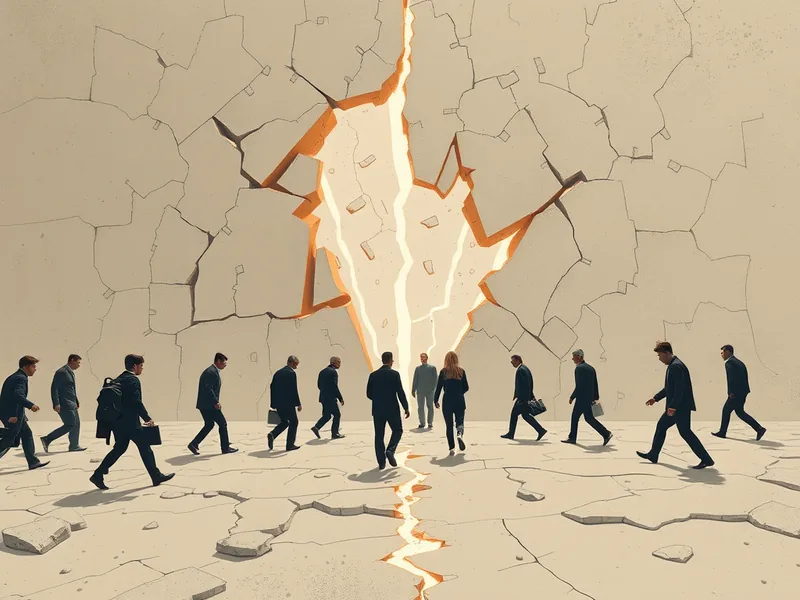
However, some experts are skeptical about whether this new structure will be as effective as a dedicated preparedness team. Dr. Chen adds, "While having a centralized head of safety is important, the specific expertise and focus of a preparedness team cannot be easily replicated by a broader leadership structure."
The controversy surrounding OpenAI's preparedness team highlights the ongoing debate in the AI community about how best to manage the risks associated with advanced technologies. As AI continues to evolve and become more integrated into our daily lives, the stakes of getting safety right are higher than ever.
For now, the tech industry and the public will be watching closely to see how OpenAI's new structure performs. If the company can demonstrate that its approach is effective in identifying and mitigating risks, it may help ease concerns. However, if any significant issues arise, it could lead to greater scrutiny and calls for more transparent and robust risk management practices.
In the meantime, other organizations are also taking steps to address AI safety. For instance, Stripe recently acquired OpenRouter, a company that aims to improve the security and reliability of AI systems. This move underscores the growing recognition that AI safety is not just a concern for developers but a critical issue for all stakeholders in the tech ecosystem.
As the debate continues, one thing is clear: the development of safe and ethical AI requires ongoing vigilance and a commitment to proactive risk management. OpenAI's next moves will be crucial in determining whether they can maintain their position as a leader in responsible AI development.
Tags
Original Sources
OpenAI reportedly disbanded its preparedness team
↗ https://www.theverge.com/ai-artificial-intelligence/980817/openai-disbands-preparedness-team
About the author
Amara's entry point into AI was an epidemiology role at a London research hospital, where she spent five years studying how digital health tools reached — or conspicuously failed to reach — underserved communities. Watching early algorithmic systems in healthcare quietly entrench existing inequalities, she redirected her career toward the systemic consequences of AI at scale. She covers AI through an unflinching lens: who benefits, who bears the cost, and what evidence actually says versus what the press release claims. Her writing is calm and precise, but she doesn't mistake balance for neutrality.
More from The Steward →This Week's Edition
24 August 2026
25 articles
Related Articles
Related Articles
More Stories
© 2026 Cedar & Bloom. All rights reserved.