The Drum · Weekly AI news, freeSubscribe →
Share
OpenAI ventures into humanoid robots and teleoperation, marking a pivot from its traditional AI research areas like natural language processing and reinforcement learning, as it seeks to integrate human-like interaction with machines.
OpenAI is ramping up its efforts in robotics, particularly in the development of humanoid systems, as part of its broader mission to advance artificial intelligence (AI). The company has been actively hiring researchers with expertise in creating AI algorithms for controlling various types of robots, including those with a partial or full human form.
The new focus on robotics marks a significant shift for OpenAI. Historically known for its work in natural language processing and reinforcement learning, the company is now exploring how these technologies can be applied to physical systems. This move could have profound implications for both AI research and practical applications, such as manufacturing, healthcare, and domestic assistance.
OpenAI has posted several job listings that provide insight into its robotics research plans:
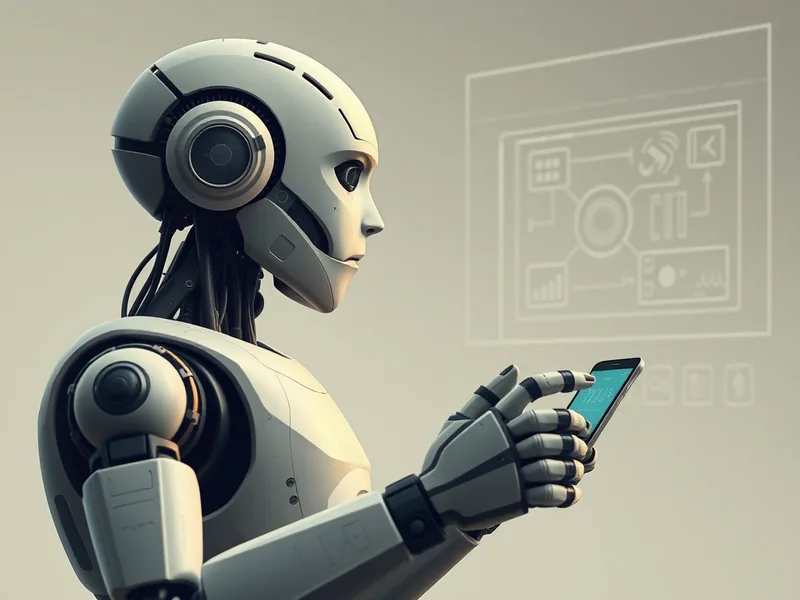
Teleoperation is a critical component of training humanoid robots. Here's how it works:
The development of humanoid robots could lead to significant advancements in various fields:
It remains unclear whether OpenAI intends to build its own robotic hardware, use off-the-shelf components, or partner with existing robotics companies. The company's focus on teleoperation and simulation suggests a strong emphasis on software development, but the hardware strategy is still evolving.
OpenAI's increased investment in robotics research, particularly in humanoid systems, signals a new direction for the company. By leveraging expertise in AI and teleoperation, OpenAI aims to create more capable and versatile robots that can navigate and perform tasks in complex environments. The potential applications are vast, and the impact on various industries could be transformative.
Tags
Original Sources
About the author
Kai built ML infrastructure at a Bay Area startup before developing an obsession with transformer architectures and inference optimisation that eventually pulled him out of product work entirely. A stint at a compute research lab sharpened his instinct for what actually matters in a model release versus what is marketing. He writes from the inside — from the perspective of someone who has debugged the systems he is describing at three in the morning. He is allergic to hype and instinctively drawn to the unglamorous plumbing questions that everyone else skips over.
More from The Engineer →This Week's Edition
16 September 2025
29 articles
Related Articles

Rosarium Health Partners With Anthem Medi-Cal to Fund Home Modifications for Older Californians
Products & Applications · 5 min

Meta's new open-weight model runs on Macs, if you have 1TB of RAM to spare
Products & Applications · 5 min

Persona AI Bets on Calm Execution in a Noisy Humanoid Robotics Market
Products & Applications · 5 min
Related Articles
Rosarium Health Partners With Anthem Medi-Cal to Fund Home Modifications for Older Californians
Products & Applications · 5 min
Meta's new open-weight model runs on Macs, if you have 1TB of RAM to spare
Products & Applications · 5 min
Persona AI Bets on Calm Execution in a Noisy Humanoid Robotics Market
Products & Applications · 5 min
More Stories
© 2026 Cedar & Bloom. All rights reserved.
