The Drum · Weekly AI news, freeSubscribe →
Share
As OpenAI rolls out a free voice feature for ChatGPT, the move aims to democratize access to AI while the company grapples with leadership questions and internal strife.
OpenAI has introduced a new voice feature for its popular AI chatbot, ChatGPT. The update allows users to interact with the platform using their voices and receive audible responses, all at no additional cost. This development comes as the company navigates recent internal turmoil, including ongoing discussions about the role of its CEO.
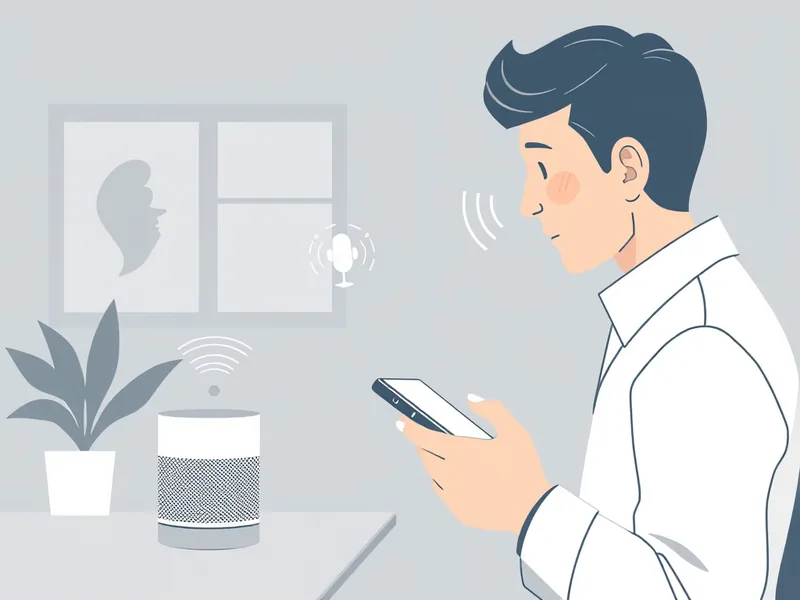
The introduction of a voice feature in ChatGPT represents a significant step forward in making AI more accessible and user-friendly. By enabling users to communicate with the chatbot through spoken commands, OpenAI is broadening the appeal and practicality of its technology. This move could potentially attract a wider audience, including those who prefer or need hands-free interaction.
Despite the potential benefits, there are several risks associated with this new feature:
The voice feature presents a compelling opportunity for both OpenAI and its users:
OpenAI first introduced the ability to prompt ChatGPT with voice commands and images in September 2023. However, at that time, the feature was only available to paying users. The decision to make it free for all users is a strategic move to increase adoption and engagement.
In a post on X (formerly Twitter), OpenAI announced that users can now tap the headphones icon in the mobile app to activate the voice feature. This update aligns with the company's broader mission to make AI more accessible and beneficial to a wider audience.
The launch of the free voice feature for ChatGPT is a significant milestone for OpenAI, offering enhanced user experience and broader accessibility. However, the company must address potential privacy concerns and technical challenges to ensure the success and widespread adoption of this new capability. As AI continues to evolve, OpenAI's strategic moves will be crucial in shaping the future of conversational AI.
Tags
Original Sources
About the author
Marcus began tracking AI's market implications in 2016, noticing AI-related patent filings accelerating ahead of earnings upgrades before most of the sell-side had caught on. A former fixed-income quantitative analyst, he spent two decades building models that priced risk across emerging markets before pivoting to cover the economic impact of AI full-time. His writing translates opaque technical developments into clear risk/reward terms — and he's rarely diplomatic about the gap between AI valuations and underlying fundamentals. He believes most market participants still underestimate AI's long-run deflationary effect on knowledge work.
More from The Analyst →This Week's Edition
22 November 2023
29 articles
Related Articles

Rosarium Health Partners With Anthem Medi-Cal to Fund Home Modifications for Older Californians
Products & Applications · 5 min

Meta's new open-weight model runs on Macs, if you have 1TB of RAM to spare
Products & Applications · 5 min

Persona AI Bets on Calm Execution in a Noisy Humanoid Robotics Market
Products & Applications · 5 min
Related Articles
Rosarium Health Partners With Anthem Medi-Cal to Fund Home Modifications for Older Californians
Products & Applications · 5 min
Meta's new open-weight model runs on Macs, if you have 1TB of RAM to spare
Products & Applications · 5 min
Persona AI Bets on Calm Execution in a Noisy Humanoid Robotics Market
Products & Applications · 5 min
More Stories
© 2026 Cedar & Bloom. All rights reserved.
