The Drum · Weekly AI news, freeSubscribe →

Share
As top AI researchers leave for Meta, OpenAI shuts down temporarily, sparking concerns over the stability and direction of one of the industry's leading labs.
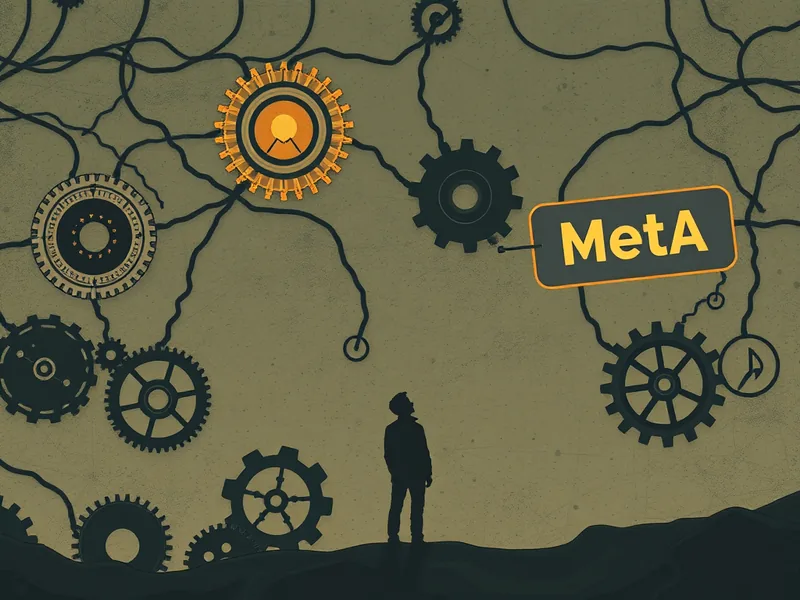
The world of artificial intelligence (AI) is witnessing a significant shift as top talent moves from one company to another. Recently, OpenAI, the renowned AI research lab, reportedly shut down for a week following a series of high-profile departures to Meta, formerly known as Facebook. This move highlights the intense competition in the tech industry and raises important questions about the impact on employees and the future of AI development.
The story began when Cheng Lu, a member of OpenAI’s technical staff, shared his frustration on X (formerly Twitter) about the loss of key colleagues to Meta. “Not too many people outside the company know how talented and hardcore they are,” he wrote, referring to the researchers who left. “Such a huge loss to OpenAI and I feel really disappointed that the leadership didn’t keep them.” Lu’s post, which was later deleted, quickly gained attention and shed light on the emotional toll of the ongoing talent war in Silicon Valley.
Mark Zuckerberg, CEO of Meta, has been actively recruiting some of the most skilled AI researchers from around the world. In a recent announcement, it was revealed that four elite Chinese researchers had joined Meta’s ranks, further intensifying the competition with OpenAI. This poaching of top talent is not just about technical expertise; it also represents a significant shift in the balance of power within the AI community.
The departure of these key figures has left many at OpenAI feeling demoralized and uncertain about the company’s future direction. The temporary shutdown, while officially unexplained, is believed to be a strategic move to regroup and reassess the situation. It also serves as a moment for reflection on the broader implications of such high-stakes talent movements.
The human cost of building AI cannot be understated. While the technology promises transformative benefits, from improving healthcare outcomes to enhancing environmental monitoring, it also comes with significant challenges. The intense pressure to innovate and stay ahead in the market can lead to burnout, job insecurity, and a sense of loss among those who have dedicated their careers to advancing this field.
For employees like Cheng Lu, the departure of colleagues is not just a professional setback; it’s a personal one as well. “These are people I’ve worked with for years,” he explained in his post. “They’re more than just coworkers-they’re friends and mentors.” This emotional connection underscores the human element often overlooked in discussions about tech industry dynamics.
Moreover, the exodus of talent from OpenAI to Meta raises concerns about the concentration of power and resources within a few large corporations. As these companies continue to poach top researchers, smaller startups and academic institutions may struggle to keep pace, potentially stifling innovation and diversity in the AI ecosystem.
The situation also highlights the importance of leadership in retaining and supporting talented individuals. OpenAI’s leadership is now faced with the challenge of rebuilding trust and morale within the organization. This includes addressing the reasons why top researchers chose to leave and implementing strategies to prevent further departures.
In the long term, the ongoing talent war may have far-reaching consequences for the AI industry. It could lead to a more fragmented landscape where a handful of companies dominate, or it could spur new collaborations and partnerships that foster innovation and inclusivity. Either way, the human element-whether in the form of dedicated researchers like those at OpenAI or visionary leaders like Mark Zuckerberg-will continue to play a crucial role in shaping the future of AI.
Tags
Original Sources
About the author
Amara's entry point into AI was an epidemiology role at a London research hospital, where she spent five years studying how digital health tools reached — or conspicuously failed to reach — underserved communities. Watching early algorithmic systems in healthcare quietly entrench existing inequalities, she redirected her career toward the systemic consequences of AI at scale. She covers AI through an unflinching lens: who benefits, who bears the cost, and what evidence actually says versus what the press release claims. Her writing is calm and precise, but she doesn't mistake balance for neutrality.
More from The Steward →This Week's Edition
1 July 2025
29 articles
Related Articles

Ottawa Expands AI Funding for Northern Ontario Businesses, Aims to Close the Regional Tech Gap
Job Market & Society · 6 min
AI Is Lowering the Cost of Starting a Business. It's Not Lowering the Cost of Running One.
Job Market & Society · 6 min

Iambic Therapeutics Raises $150 Million in IPO to Fund AI-Designed Cancer Drugs
Finance & Markets · 5 min
Related Articles
Ottawa Expands AI Funding for Northern Ontario Businesses, Aims to Close the Regional Tech Gap
Job Market & Society · 6 min
AI Is Lowering the Cost of Starting a Business. It's Not Lowering the Cost of Running One.
Job Market & Society · 6 min
Iambic Therapeutics Raises $150 Million in IPO to Fund AI-Designed Cancer Drugs
Finance & Markets · 5 min
More Stories
© 2026 Cedar & Bloom. All rights reserved.
