The Drum · Weekly AI news, freeSubscribe →

Share
OpenAI's upcoming image generators, Chestnut and Huzzlenut, promise大幅提升的视觉质量和灵活性,有望超越其前辈Image-1模型,成为创意工作的新工具。
OpenAI is gearing up for the release of its next-generation image generation models, which are currently being tested under the codenames Chestnut and Huzzlenut on platforms like LM Arena and Design Arena. These models are expected to be marketed as Image-2 and Image-2-mini, respectively, and will serve as direct successors to the widely used Image-1 model.
The primary technical advancements in Chestnut and Huzzlenut focus on enhancing visual quality and versatility. Here’s a breakdown of the key changes:
Improved Visual Quality: Both models are designed to generate higher-resolution images with more detailed textures and fewer artifacts. This is achieved through advanced upsampling techniques and more sophisticated loss functions.
Enhanced Versatility: The models can handle a wider range of input types and styles. They are trained on diverse datasets that include not only high-resolution images but also low-quality, stylized, and abstract content.
Optimized Architecture: Both Chestnut and Huzzlenut employ a transformer-based architecture similar to GPT-3 but with modifications tailored for image generation.
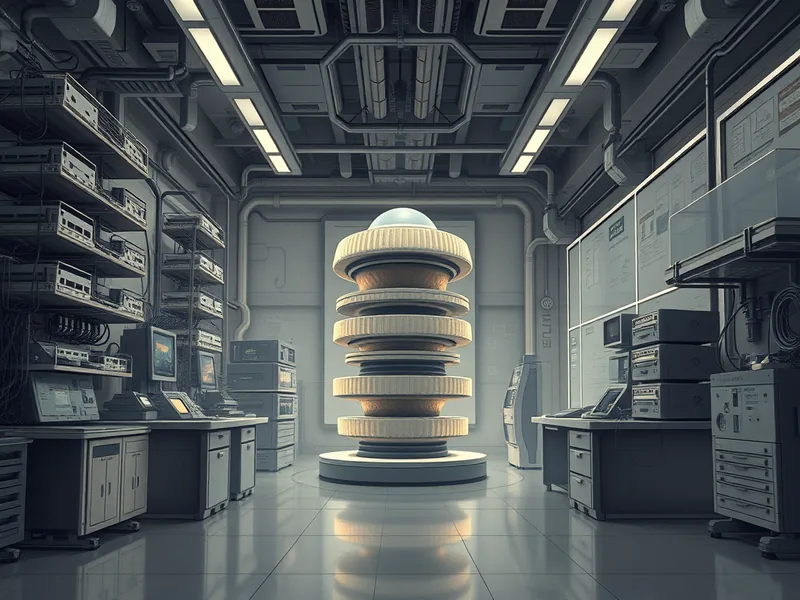
For developers and researchers working with image generation, these new models offer several practical benefits:
While official benchmarks are not yet available, early tests on LM Arena suggest that Chestnut and Huzzlenut outperform their predecessor, Image-1, in several key areas:
The upcoming release of Chestnut and Huzzlenut marks a significant step forward in OpenAI’s image generation capabilities. These models are expected to set new standards for quality, versatility, and performance, making them valuable tools for developers and researchers in various fields.
Tags
Original Sources
About the author
Kai built ML infrastructure at a Bay Area startup before developing an obsession with transformer architectures and inference optimisation that eventually pulled him out of product work entirely. A stint at a compute research lab sharpened his instinct for what actually matters in a model release versus what is marketing. He writes from the inside — from the perspective of someone who has debugged the systems he is describing at three in the morning. He is allergic to hype and instinctively drawn to the unglamorous plumbing questions that everyone else skips over.
More from The Engineer →This Week's Edition
10 December 2025
29 articles
Related Articles
Wharton's Fourth Annual AI Survey: Most Companies See Returns, Few See Big Ones
Models & Research · 6 min
Tensormesh Launches Enterprise KV Cache Platform to Cut Redundant LLM Compute
Models & Research · 6 min

Iambic Therapeutics Raises $150 Million in IPO to Fund AI-Designed Cancer Drugs
Finance & Markets · 5 min
Related Articles
Wharton's Fourth Annual AI Survey: Most Companies See Returns, Few See Big Ones
Models & Research · 6 min
Tensormesh Launches Enterprise KV Cache Platform to Cut Redundant LLM Compute
Models & Research · 6 min
Iambic Therapeutics Raises $150 Million in IPO to Fund AI-Designed Cancer Drugs
Finance & Markets · 5 min
More Stories
© 2026 Cedar & Bloom. All rights reserved.
