The Drum · Weekly AI news, freeSubscribe →

Share
Project Maven illustrates how AI is revolutionizing military strategy and ethics, automating target analysis at unprecedented speeds while reshaping roles for human soldiers in combat scenarios.
In an age where technology is increasingly woven into the fabric of national security, the story of Project Maven offers a critical glimpse into how artificial intelligence (AI) is transforming military operations. This transformation not only accelerates the pace of warfare but also raises significant ethical questions about the role of AI in conflict and its impact on the workforce.
Imagine a scenario where, within the first 24 hours of an assault, the U.S. military strikes more than 1,000 targets-nearly double the scale of the "shock and awe" attack on Iraq over two decades ago. This unprecedented speed is made possible by AI systems like the Maven Smart System, which streamline the targeting process. The implications are profound: while such technology can enhance precision and potentially reduce civilian casualties, it also raises concerns about the ethical use of AI in military contexts.
In her new book, Project Maven: A Marine Colonel, His Team, and the Dawn of AI Warfare, journalist Katrina Manson delves into the development of Project Maven from its inception in 2017. Initially conceived as an experiment to apply computer vision to drone footage, the project quickly evolved into a cornerstone of U.S. military operations.
Manson's book highlights the pioneering efforts of Marine Colonel Drew Cukor and his team, who faced significant challenges, including resistance from tech giants like Google. In 2018, Google employees staged protests against the company’s involvement in Project Maven, citing ethical concerns about the use of AI in military applications. These protests ultimately led to Google's decision not to renew its contract with the Department of Defense.
The core innovation of Project Maven lies in its ability to process and analyze vast amounts of data from drone footage. Traditional methods of target identification are time-consuming and resource-intensive, often relying on human analysts who must sift through hours of video to identify potential threats. AI systems like Maven can perform this task much faster and with greater accuracy, allowing military commanders to make decisions more quickly.
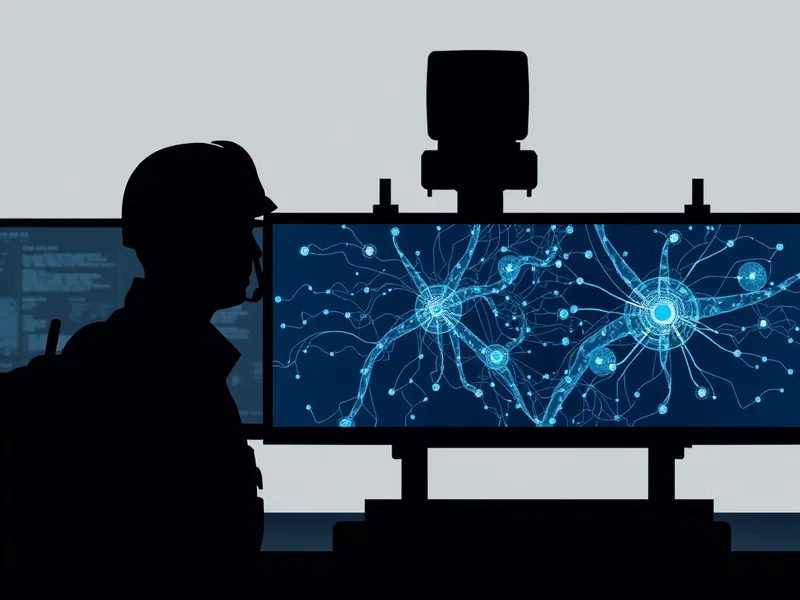
This acceleration is crucial in modern warfare, where the ability to respond rapidly can mean the difference between success and failure. However, it also raises important questions about the ethical implications of delegating life-and-death decisions to machines. As AI systems become more sophisticated, there is a growing need for robust frameworks to ensure they are used responsibly and ethically.
The integration of AI into military operations has significant implications for the workforce. On one hand, AI can augment human capabilities, reducing the burden on analysts and allowing them to focus on higher-level tasks. This can lead to more efficient and effective operations. On the other hand, there are concerns about job displacement and the potential dehumanization of warfare.
As AI systems become more prevalent, it is essential to consider how they will affect the roles and responsibilities of military personnel. Training programs and re-skilling initiatives will be crucial to ensure that the workforce can adapt to these technological changes. Additionally, policymakers must address the broader societal implications of AI in military contexts, including issues of accountability and transparency.
The story of Project Maven is a microcosm of the larger debate surrounding the use of AI in national security. While the technology offers significant advantages, it also poses complex ethical and practical challenges. As we continue to develop and deploy AI systems, it is imperative that we do so with a clear understanding of their potential impacts on both military operations and society at large.
Tags
Original Sources
About the author
Amara's entry point into AI was an epidemiology role at a London research hospital, where she spent five years studying how digital health tools reached — or conspicuously failed to reach — underserved communities. Watching early algorithmic systems in healthcare quietly entrench existing inequalities, she redirected her career toward the systemic consequences of AI at scale. She covers AI through an unflinching lens: who benefits, who bears the cost, and what evidence actually says versus what the press release claims. Her writing is calm and precise, but she doesn't mistake balance for neutrality.
More from The Steward →This Week's Edition
25 April 2026
29 articles
Related Articles

Ottawa Expands AI Funding for Northern Ontario Businesses, Aims to Close the Regional Tech Gap
Job Market & Society · 6 min

AI Is Lowering the Cost of Starting a Business. It's Not Lowering the Cost of Running One.
Job Market & Society · 6 min

Iambic Therapeutics Raises $150 Million in IPO to Fund AI-Designed Cancer Drugs
Finance & Markets · 5 min
Related Articles
Ottawa Expands AI Funding for Northern Ontario Businesses, Aims to Close the Regional Tech Gap
Job Market & Society · 6 min
AI Is Lowering the Cost of Starting a Business. It's Not Lowering the Cost of Running One.
Job Market & Society · 6 min
Iambic Therapeutics Raises $150 Million in IPO to Fund AI-Designed Cancer Drugs
Finance & Markets · 5 min
More Stories
© 2026 Cedar & Bloom. All rights reserved.
