The Drum · Weekly AI news, freeSubscribe →

Share
As federal funding for Medicaid faces significant cuts, rural hospitals across America are scrambling to adapt. From charitable giving models to streamlined services, these institutions are exploring new ways to survive.
In Bangor, Maine, the emergency department at MDI Hospital is a lifeline for the surrounding community. But like many rural health systems, it's facing an uncertain future as federal funding cuts loom large. Last year, Republicans slashed $1 trillion from expected Medicaid funding over the next decade and allowed tens of billions in annual insurance subsidies to expire.
The full impact of these changes won't be felt for years, but rural hospitals are already making difficult decisions. "We're seeing the health care system become more fragile than I've ever seen it," said Dr. James Thompson, CEO of MDI Hospital. The cuts force rural hospitals to fundamentally rethink how they deliver care.
In Louisiana and Maine, two states with significant rural populations, the effects are particularly pronounced. Providers in these regions have laid out a range of strategies to navigate the financial headwinds, from innovative charitable giving models to reimagining service delivery.
MDI Hospital in Bar Harbor, Maine, has found success with a charitable giving model. The hospital has partnered with local businesses and community members to raise funds that help cover the costs of care for uninsured or underinsured patients. "It's a community effort," said Dr. Thompson. "We're all in this together."
In Louisiana, the situation is more dire. Many rural hospitals there are struggling to stay afloat. The state has one of the highest rates of uninsured residents, and Medicaid cuts have exacerbated financial challenges. Some hospitals have had to reduce staff, cut services, or even close their doors.
Dr. Sarah Jenkins, a physician at a rural hospital in Louisiana, described the situation as "heartbreaking." "We're seeing patients who can't afford basic care," she said. "It's not just about the hospital; it's about the health of our entire community."
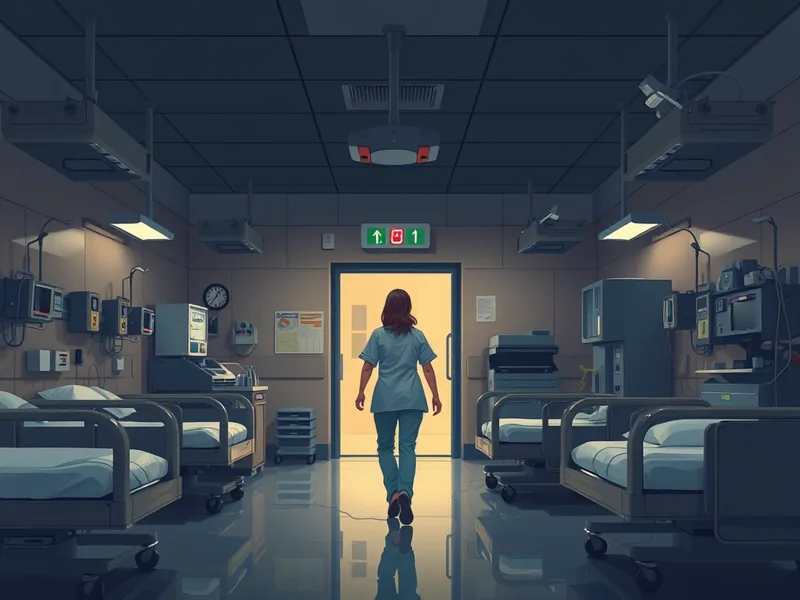
The challenges extend beyond patient care. Rural hospitals often serve as economic anchors for their communities, providing jobs and supporting local businesses. When a hospital closes or reduces services, the ripple effects are significant.
As rural hospitals adapt to these changes, the long-term consequences remain unclear. Some experts predict that the cuts could lead to a further decline in health outcomes in already vulnerable areas. Dr. Michael Harris, a public health researcher at the University of Maine, warns that "the cuts could exacerbate existing health disparities and make it even harder for rural residents to access care."
However, there are also signs of resilience and innovation. In Washington, D.C., policymakers are exploring ways to support rural hospitals through targeted funding and regulatory reforms. Dr. Harris believes that a combination of local initiatives and federal support could help stabilize the situation.
For now, rural hospitals continue to navigate these challenges with a mix of creativity and determination. "We're doing everything we can to keep our doors open," said Dr. Thompson. "But it's going to take a sustained effort from all of us."
The future of rural health care in America hangs in the balance as these institutions work to provide essential services amid significant financial constraints. The coming years will be crucial in determining whether innovative solutions can help these vital community resources survive and thrive.
Tags
Original Sources
How Trump's cuts are reshaping America’s health system
↗ https://www.statnews.com/2026/08/25/rural-hospitals-response-medicaid-cuts-part-1-unraveled-series
About the author
Amara's entry point into AI was an epidemiology role at a London research hospital, where she spent five years studying how digital health tools reached — or conspicuously failed to reach — underserved communities. Watching early algorithmic systems in healthcare quietly entrench existing inequalities, she redirected her career toward the systemic consequences of AI at scale. She covers AI through an unflinching lens: who benefits, who bears the cost, and what evidence actually says versus what the press release claims. Her writing is calm and precise, but she doesn't mistake balance for neutrality.
More from The Steward →This Week's Edition
31 August 2026
17 articles
Related Articles
Related Articles
More Stories
© 2026 Cedar & Bloom. All rights reserved.