The Drum · Weekly AI news, freeSubscribe →

Share
As AI scams become more sophisticated, a new app called Savi is stepping up to protect consumers from convincing threats like fake kidnapping ransom demands.
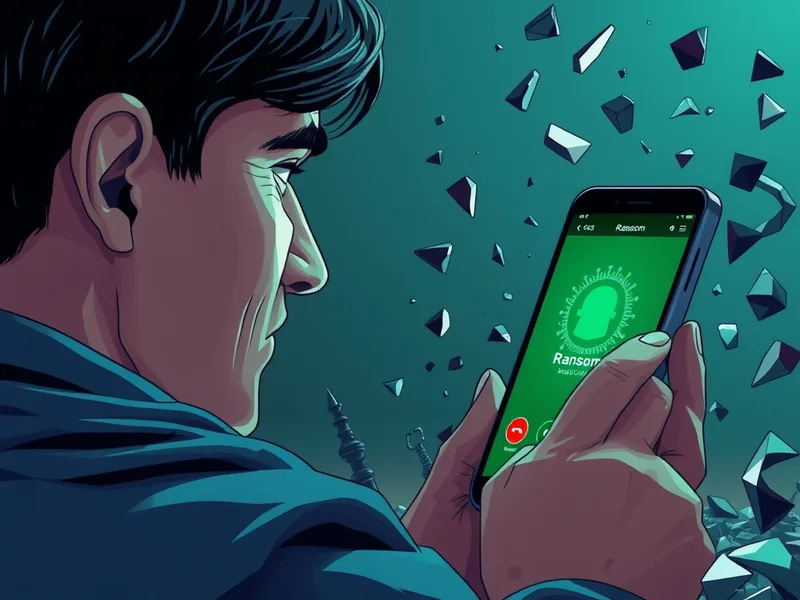
In an era where artificial intelligence (AI) can mimic human voices with uncanny accuracy, the line between reality and deception is blurring. One of the most alarming forms of AI-enabled fraud involves kidnappers using realistic AI-generated calls to demand ransoms from unsuspecting victims. To combat this growing threat, a new app called Savi is entering the market, aiming to provide robust protection against such scams.
Savi Security, the company behind the app, has just raised $7 million in seed funding and is set to launch its solution for both iPhone and Android users on Tuesday. The app's core mission is straightforward: to help consumers distinguish between genuine emergencies and sophisticated AI-generated hoaxes that can cause significant emotional distress and financial loss.
The rise of AI scams is a critical issue that affects real people, often in the most vulnerable moments of their lives. Imagine receiving a call from someone claiming your child has been kidnapped and demanding immediate payment for their release. The voice sounds so real, the details are convincing, and the pressure is intense. This scenario is no longer just a hypothetical; it's happening more frequently as AI technology advances.
To understand how Savi works, think of it like a digital detective that analyzes incoming calls in real-time. It uses advanced machine learning algorithms to detect anomalies in voice patterns, background noise, and other subtle cues that might indicate an AI-generated call. When the app identifies a potential scam, it alerts the user with clear instructions on what to do next.
The technology behind Savi is sophisticated, but its interface is designed to be user-friendly. Users can set up emergency contacts and receive step-by-step guidance on how to handle suspicious calls. The app also provides educational resources to help users recognize common tactics used by scammers, empowering them to make informed decisions during high-stress situations.
The need for such an app is underscored by recent research that highlights the vulnerabilities in AI-powered systems. A study by cybersecurity experts tested seven popular AI browsers and found four were susceptible to attacks that could trick the AI into revealing personal data. This finding underscores the importance of robust security measures, not just for protecting against ransom demands but also for safeguarding sensitive information.
Savi's approach is part of a broader trend in cybersecurity where companies are developing more integrated solutions to protect users from multiple angles. For example, managed browser profiles and phishing-resistant multi-factor authentication (MFA) are becoming standard practices. These tools help separate work and personal contexts, ensuring that even if a personal account is compromised, the impact on professional data remains minimal.
The app's developers emphasize that while Savi is designed to be a frontline defense against AI scams, it is not a panacea. Users must remain vigilant and continue to practice good cybersecurity habits. This includes regularly updating software, using strong passwords, and being cautious about sharing personal information online.
As Savi prepares for its launch, the company faces the challenge of gaining widespread adoption in a market where consumer trust in AI technologies is still evolving. The key will be demonstrating the app's effectiveness through real-world use cases and continuous improvement based on user feedback.
The broader implications of this technology extend beyond individual protection. As more tools like Savi become available, they have the potential to shift the balance of power back to consumers, making it harder for scammers to exploit advanced AI capabilities. This could lead to a safer digital landscape where people can use technology with greater confidence and less fear.
In the end, the success of apps like Savi will depend on how well they can adapt to the ever-changing tactics of cybercriminals. By staying one step ahead, these tools offer hope that we can navigate the complex world of AI without falling victim to its darker side.
Tags
Original Sources
Savi's app aims to protect consumers from realistic AI scams like kidnappers demanding ransom | TechCrunch
↗ https://techcrunch.com/2026/07/07/savis-app-aims-to-protect-consumers-from-realistic-ai-scams-like-kidnappers-demanding-ransom
About the author
Amara's entry point into AI was an epidemiology role at a London research hospital, where she spent five years studying how digital health tools reached — or conspicuously failed to reach — underserved communities. Watching early algorithmic systems in healthcare quietly entrench existing inequalities, she redirected her career toward the systemic consequences of AI at scale. She covers AI through an unflinching lens: who benefits, who bears the cost, and what evidence actually says versus what the press release claims. Her writing is calm and precise, but she doesn't mistake balance for neutrality.
More from The Steward →This Week's Edition
13 July 2026
34 articles
Related Articles

Cisco's Edge Intelligence Tackles the Unsexy Problem of Getting IoT Data Out of the Field
Tools & Engineering · 5 min

The 2026 Nobel Prizes, and the Persistent Gap Science Still Hasn't Closed
Policy & Regulation · 5 min

Trump Declares Anyone Who Says "AI" Instead Of "Super Intelligence" An Enemy
Policy & Regulation · 5 min
Related Articles
Cisco's Edge Intelligence Tackles the Unsexy Problem of Getting IoT Data Out of the Field
Tools & Engineering · 5 min
The 2026 Nobel Prizes, and the Persistent Gap Science Still Hasn't Closed
Policy & Regulation · 5 min
Trump Declares Anyone Who Says "AI" Instead Of "Super Intelligence" An Enemy
Policy & Regulation · 5 min
More Stories
© 2026 Cedar & Bloom. All rights reserved.
