The Drum · Weekly AI news, freeSubscribe →
Share
SegMamba slashes processing time for 3D medical images, making critical diagnoses faster and more precise, potentially saving lives by improving accuracy in spotting conditions like brain tumors.
In the world of medical imaging, accurate and efficient segmentation of 3D images is crucial for diagnosing conditions like brain tumors. However, traditional methods often struggle with the computational demands of processing high-dimensional data. Enter SegMamba, a groundbreaking new model that promises to revolutionize this field by offering faster and more effective solutions.
Medical imaging plays a vital role in healthcare, from routine check-ups to life-saving diagnostics. Accurate segmentation-delineating specific regions within an image-is essential for doctors to make informed decisions. For instance, in brain tumor diagnosis, precise segmentation can help determine the extent of the tumor and guide treatment plans. However, current techniques often face significant computational challenges, especially with 3D images, which are more complex and data-intensive.
One of the most advanced approaches to image processing is the Transformer architecture. Transformers excel at capturing global relationships in data, making them powerful tools for tasks like natural language processing (NLP). However, when applied to high-dimensional medical images, they can be computationally expensive and slow. This limitation has hindered their widespread adoption in medical imaging.
Inspired by the success of State Space Models (SSMs) in handling long-range dependencies efficiently, a team of researchers led by Zhaohu Xing has developed SegMamba. This novel model is specifically designed to address the challenges of 3D medical image segmentation.
SegMamba leverages the principles of SSMs to capture long-range dependencies within whole volume features at every scale. Unlike Transformer-based methods, which can struggle with high-resolution data, SegMamba maintains superior processing speed and efficiency. For example, it can handle volume features at a resolution of 64x64x64 pixels with ease.
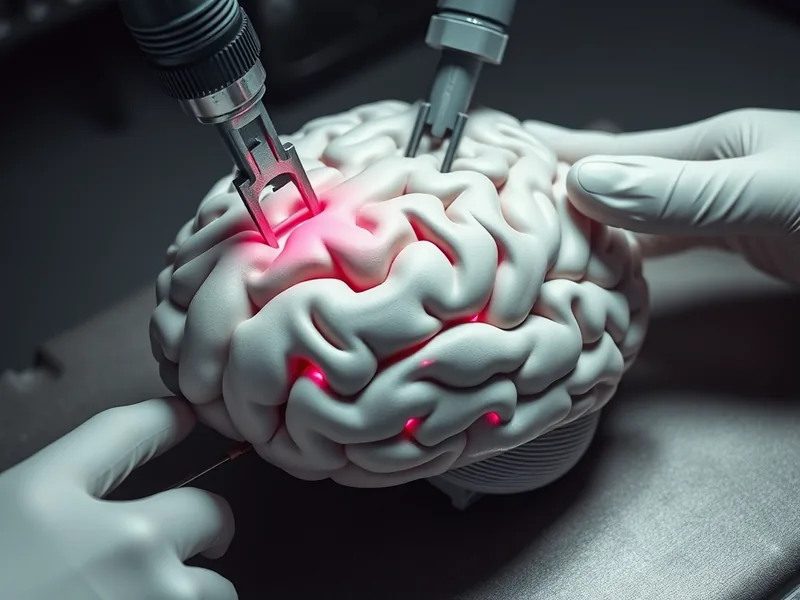
The development of SegMamba could have far-reaching implications for healthcare. By providing faster and more accurate segmentation, it can improve the efficiency of diagnostic processes, potentially leading to earlier detection and better treatment outcomes. For patients, this means shorter wait times and more precise care.
While SegMamba represents a significant step forward, there is always room for improvement. The researchers are committed to further refining the model and exploring its applications in other areas of medical imaging. They have also made the code for SegMamba available on GitHub, encouraging collaboration and innovation from the broader scientific community.
SegMamba is a promising new tool that addresses the computational challenges of 3D medical image segmentation. By combining the efficiency of SSMs with the precision needed in healthcare, it has the potential to transform how we diagnose and treat various conditions. As this technology continues to evolve, we can look forward to more accurate and efficient medical imaging solutions.
Tags
Original Sources
About the author
Amara's entry point into AI was an epidemiology role at a London research hospital, where she spent five years studying how digital health tools reached — or conspicuously failed to reach — underserved communities. Watching early algorithmic systems in healthcare quietly entrench existing inequalities, she redirected her career toward the systemic consequences of AI at scale. She covers AI through an unflinching lens: who benefits, who bears the cost, and what evidence actually says versus what the press release claims. Her writing is calm and precise, but she doesn't mistake balance for neutrality.
More from The Steward →This Week's Edition
26 January 2024
29 articles
Related Articles
Related Articles
More Stories
© 2026 Cedar & Bloom. All rights reserved.