The Drum · Weekly AI news, freeSubscribe →

Share
Researchers are breathing new life into the iconic arcade game Space Invaders by integrating advanced AI and contemporary design techniques, pushing boundaries in both gaming and artificial intelligence.
In the world of retro gaming, few titles have left as lasting an impact as Space Invaders. Originally released in 1978 by Taito, this arcade classic has been ported to countless platforms and inspired generations of game developers. But what if we could bring Space Invaders into the modern era using cutting-edge AI and game development techniques? This is exactly what a group of researchers and developers have set out to do, and their work offers valuable insights for practitioners in both AI and game development.
The core challenge in reimagining Space Invaders lies in balancing nostalgia with innovation. On one hand, the game's simple yet addictive gameplay has stood the test of time. On the other hand, modern players expect more dynamic and engaging experiences. To achieve this balance, the team focused on three key areas:
The most significant technical change is the introduction of AI-driven enemy behavior. In the original Space Invaders, enemies moved in predictable patterns, making it relatively easy for skilled players to memorize and exploit these movements. The new version uses reinforcement learning (RL) to create more dynamic and unpredictable enemy actions.
To keep the game fresh and engaging, the team implemented procedural content generation (PCG). PCG algorithms dynamically create new levels and challenges each time the game is played, ensuring that no two playthroughs are exactly the same.
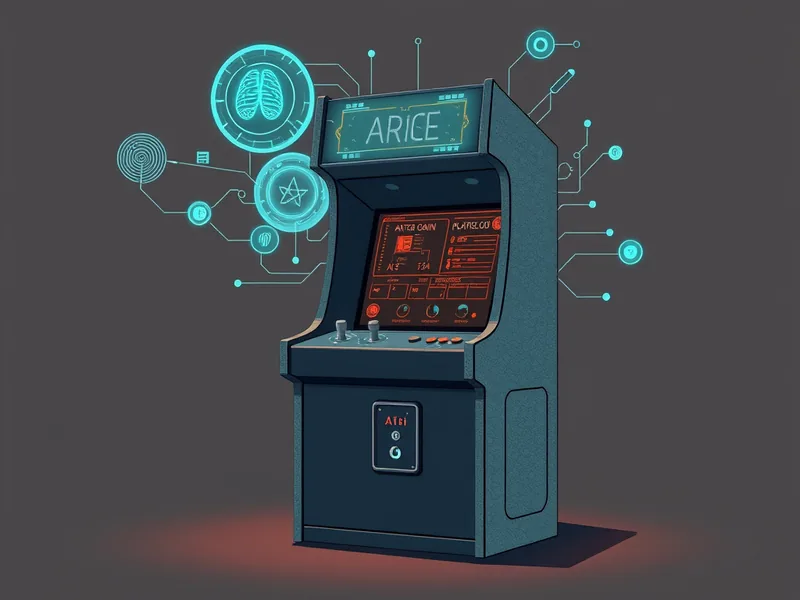
Another crucial aspect of modernizing Space Invaders is real-time adaptive difficulty. This feature adjusts the game's challenge based on the player's performance, ensuring that the game remains engaging for both new and experienced players.
The technical implementation of these features involves a combination of modern programming practices and cutting-edge AI techniques. Here’s a closer look at some of the key components:
The reimagining of Space Invaders using AI and modern game development techniques demonstrates the potential for bringing classic games into the digital age. By leveraging reinforcement learning, procedural content generation, and real-time adaptive difficulty, developers can create experiences that are both nostalgic and innovative. This project not only pays homage to a gaming icon but also sets a new standard for how we can use AI to enhance gameplay.
For practitioners in game development and AI, this case study offers valuable insights into the practical application of these technologies. Whether you're working on reviving a classic or creating something entirely new, the lessons learned from this project can help guide your efforts towards more engaging and dynamic games.
Tags
Original Sources
The Secrets of Space Invaders
↗ https://spectrum.ieee.org/space-invaders/particle-2
About the author
Kai built ML infrastructure at a Bay Area startup before developing an obsession with transformer architectures and inference optimisation that eventually pulled him out of product work entirely. A stint at a compute research lab sharpened his instinct for what actually matters in a model release versus what is marketing. He writes from the inside — from the perspective of someone who has debugged the systems he is describing at three in the morning. He is allergic to hype and instinctively drawn to the unglamorous plumbing questions that everyone else skips over.
More from The Engineer →This Week's Edition
7 May 2026
29 articles
Related Articles
Related Articles
More Stories
© 2026 Cedar & Bloom. All rights reserved.